Skip to content
Menu

These bookings run through Viator, who pay us a commission. Your price does not change, and neither does the order they appear in.

Seasonal

Oyster Season Opens October 1, and Lowcountry Menus Turn With It

South Carolina's recreational shellfish season opens half an hour before sunrise on October 1. Cluster oysters, roast season and a different kind of table.

South Carolina's recreational oyster and clam season opens half an hour before sunrise on October 1 and runs through mid-May, with the Department of Natural Resources adjusting the closing date for water conditions — in at least one recent year it stayed open into late May. Commercial harvest follows a comparable window. From the first week of October, the Lowcountry eats differently.

Cluster oysters are not half-shell oysters

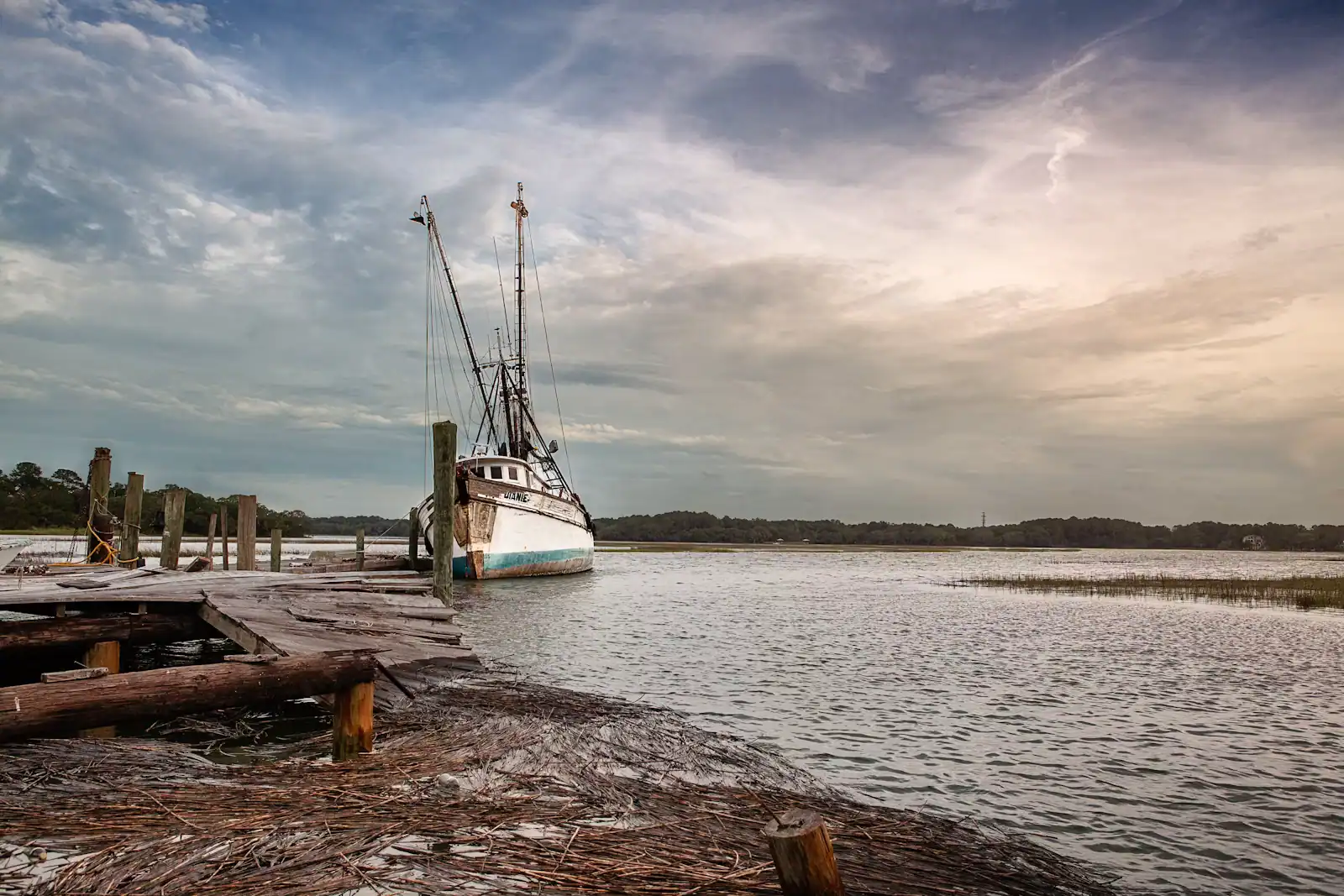
Oysters here grow in the intertidal zone, exposed at every low tide, packed together in muddy clusters rather than sitting as fat singles in deep water. That shapes everything downstream. A Lowcountry oyster roast is not a raw bar. It is clusters steamed under a wet sack, tipped onto a plywood table with a hole cut in the middle for shells, a shucking knife, a heavy glove and a roll of paper towel. The oysters are smaller, saltier and more work per bite than a Gulf single, and the point of the evening is as much the table as the shellfish.

Restaurants around Bluffton and on the island shift accordingly through the cool months, and roasts run as church and charity fundraisers from October onward. Those are often the best ones, and visitors are generally welcome.

If you want to harvest your own

You need a South Carolina saltwater recreational fishing licence. Limits run to two bushels of oysters and half a bushel of clams per person per day, with no more than two harvest days in any seven. Harvest is only permitted on mapped public and state shellfish grounds inside areas approved for water quality, and those maps are reissued every season — grounds that were open last winter may not be this one. Download the current map rather than working from memory or from a local's directions.

Two rules that matter as much as the limits: cull in place, knocking the small oysters off the cluster and leaving them on the bed to grow, and put your shell back into the recycling programme. The shell is the substrate the next generation sets on. Take it home for the garden and the bed does not rebuild itself.

SourcingSeason dates, licence requirements and harvest limits summarised from South Carolina Department of Natural Resources public shellfish harvesting announcements and regulations. Season closing dates are adjusted year to year; check SCDNR for the current season and current shellfish ground maps.

Plan around it

What this means for visitors

The pages that carry the practical detail behind this story — hours, costs, access and where it sits on Hilton Head.

  • Things to do

    History & Culture

    History and culture on Hilton Head Island: Historic Mitchelville, Gullah Geechee heritage, Civil War forts, shell rings, tabby ruins and…

  • Things to do

    For Adults

    Things to do for adults on Hilton Head Island: golf, inshore fishing, oyster season, breweries, live music and why the island quiets down…

  • Things to do

    Day Trips

    The best day trips from Hilton Head Island: Savannah, Beaufort, Bluffton, Daufuskie and Tybee. Drive times, which need a car, and beating…

  • Things to do

    Best Time to Visit

    The best time to visit Hilton Head Island, month by month: real temperatures, ocean water, hurricane risk, RBC Heritage week and the weeks…

Related

Explore Day Trips

This story touches something you can book. These are live listings from our booking partner, not a recommendation attached to the report above.

These bookings run through Viator, who pay us a commission. Your price does not change, and neither does the order they appear in.

Newsroom

More from the newsroom

Who reported this

Culture & History Editor

Renée reports on Lowcountry history: Historic Mitchelville, the island's Gullah Geechee families, the tabby ruins at Stoney-Baynard and the shell rings that predate all of it. She trained as an archivist in Savannah, works from records rather than interpretive plaques, and points readers toward Gullah-owned guides and businesses wherever there is one to point to.

Our newsroom is machine-assisted and human-edited: stories are drafted from verified public sources and checked before they publish. How that works is set out in our editorial standards.

More from Renée Osei