Skip to content
Menu

We earn a commission if you book through this link. You pay the same price.

All Tours

Hilton Head Fishing Charters

Last updated

Inshore redfish, nearshore reefs or a Gulf Stream run: how Hilton Head Island fishing charters differ, what they cost, licences, seasons and what to book.

Three completely different days get sold on this island under the same two words. Knowing which one you are buying is most of the job.

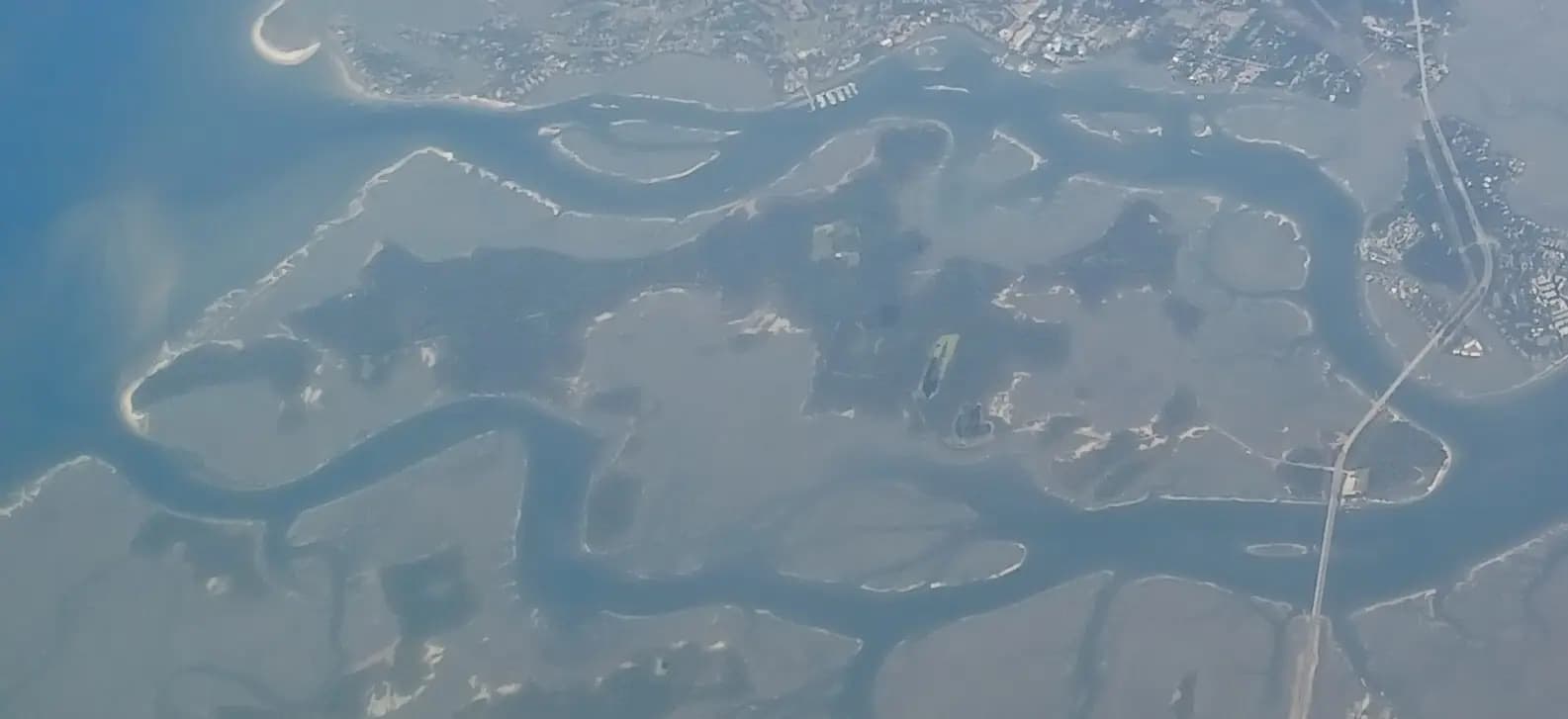
Inshore is the estuary: Broad Creek, Skull Creek, Calibogue Sound, Port Royal Sound and the creeks that drain the spartina marsh. Boats are shallow skiffs and bay boats, runs are short, and the targets are red drum, speckled trout, flounder, black drum and the sheepshead that graze barnacles off the dock pilings. This is where families and first-timers should be. You are rarely more than a few minutes from land, the water is protected, and something is usually biting.

Nearshore means the artificial reefs and live bottom off the beach, starting a few miles out and extending toward the twenty-mile mark. Bigger boat, longer run, and a different cast of fish: Spanish and king mackerel, sharks, cobia in late spring, amberjack and triggerfish further out. It is the bridge between a creek trip and a serious offshore day.

Offshore on Hilton Head means the Gulf Stream, and that is a genuine commitment. The blue water sits roughly sixty to eighty miles off this stretch of coast, so a real Gulf Stream trip leaves at dawn and runs ten to twelve hours, much of it steaming. Mahi, wahoo, blackfin tuna and sailfish are the prize. If anyone in the party gets seasick, this is not the trip.

Two pieces of local practicality. Tide runs the inshore day completely, and your captain will pick a start time to suit the water rather than your breakfast. A six to nine foot swing moves fish on and off the flats and floods and drains the creeks twice a day, so an 11am departure is sometimes the good one and sometimes the bad one. And licences are handled for you: a charter operating under a valid South Carolina charter vessel licence covers everyone fishing aboard, so you do not need to buy your own saltwater licence. Confirm it when you book, because the coverage depends on the vessel being properly licensed and under hire.

Our picks

The ones we would book

  • Editor's Pick

    Best half-day inshore charter

    Why we chose it

    Four hours in the creeks and sounds with a light-tackle guide who moves with the tide and works oyster banks, creek mouths and dock pilings. Short run from a Broad Creek or Skull Creek marina, fish for everybody, fillets cleaned at the dock. This is the trip we recommend to most visiting groups before anything longer or further out.

What a half day inshore actually looks like

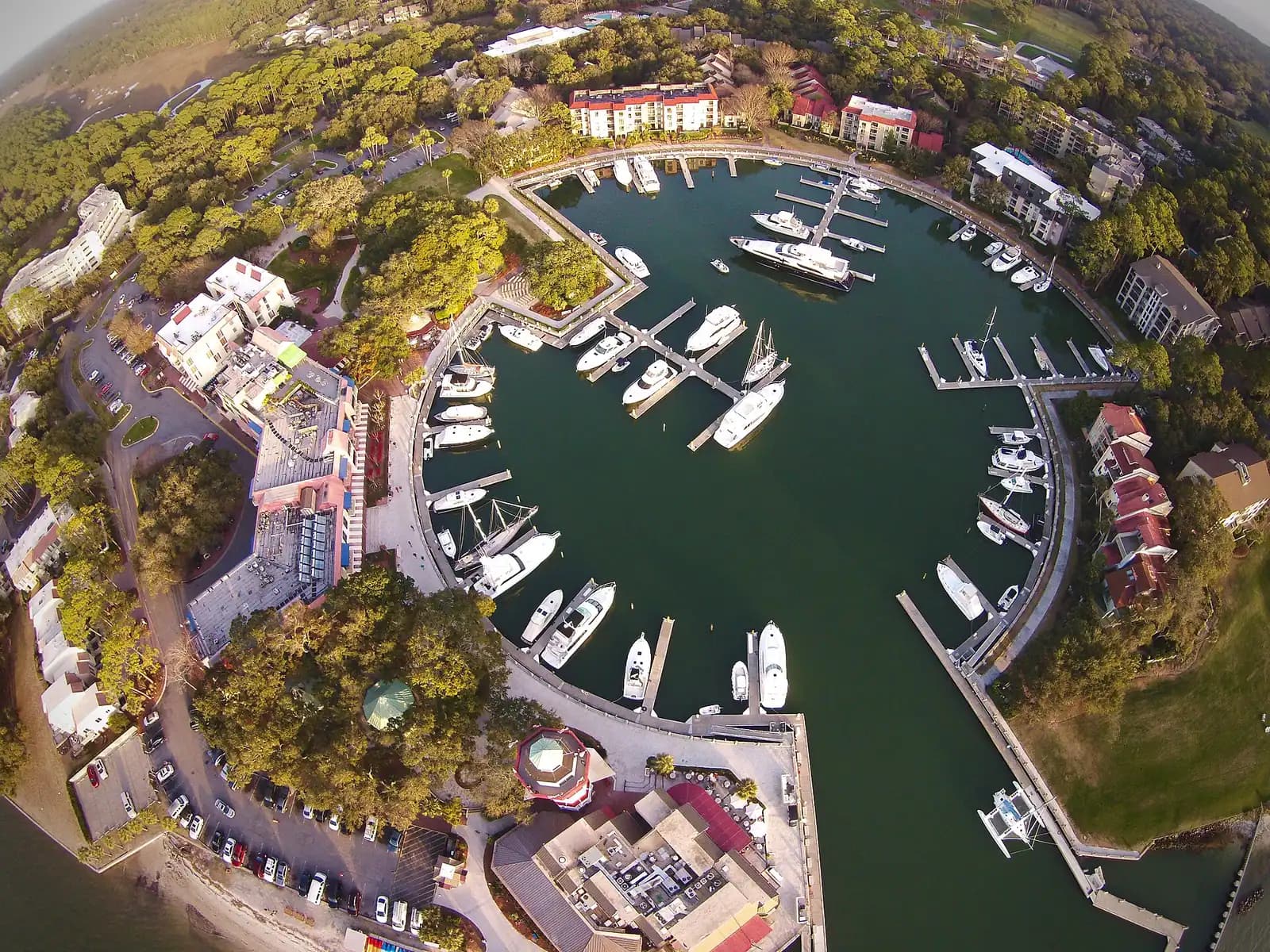
You meet at a floating dock at a marina on Broad Creek, Skull Creek or Calibogue Sound, usually fifteen minutes before departure, and the run to the first spot takes ten to twenty minutes. Nobody is steaming for an hour.

The fishing itself is tide-driven and structure-driven. Guides work oyster rakes, creek mouths, dock pilings and the grass edge, moving as the water floods or falls. Most trips start with live or cut bait on light tackle because it catches fish for everyone, then switch to artificial lures if the group wants a challenge. Expect to move spots four or five times in four hours.

Crews rig, bait, unhook and clean, and the standard is that they fillet your keepers at the dock. Everything else goes back. Boats carry rods, tackle, ice and usually a cooler. You bring food, drinks and sun protection.

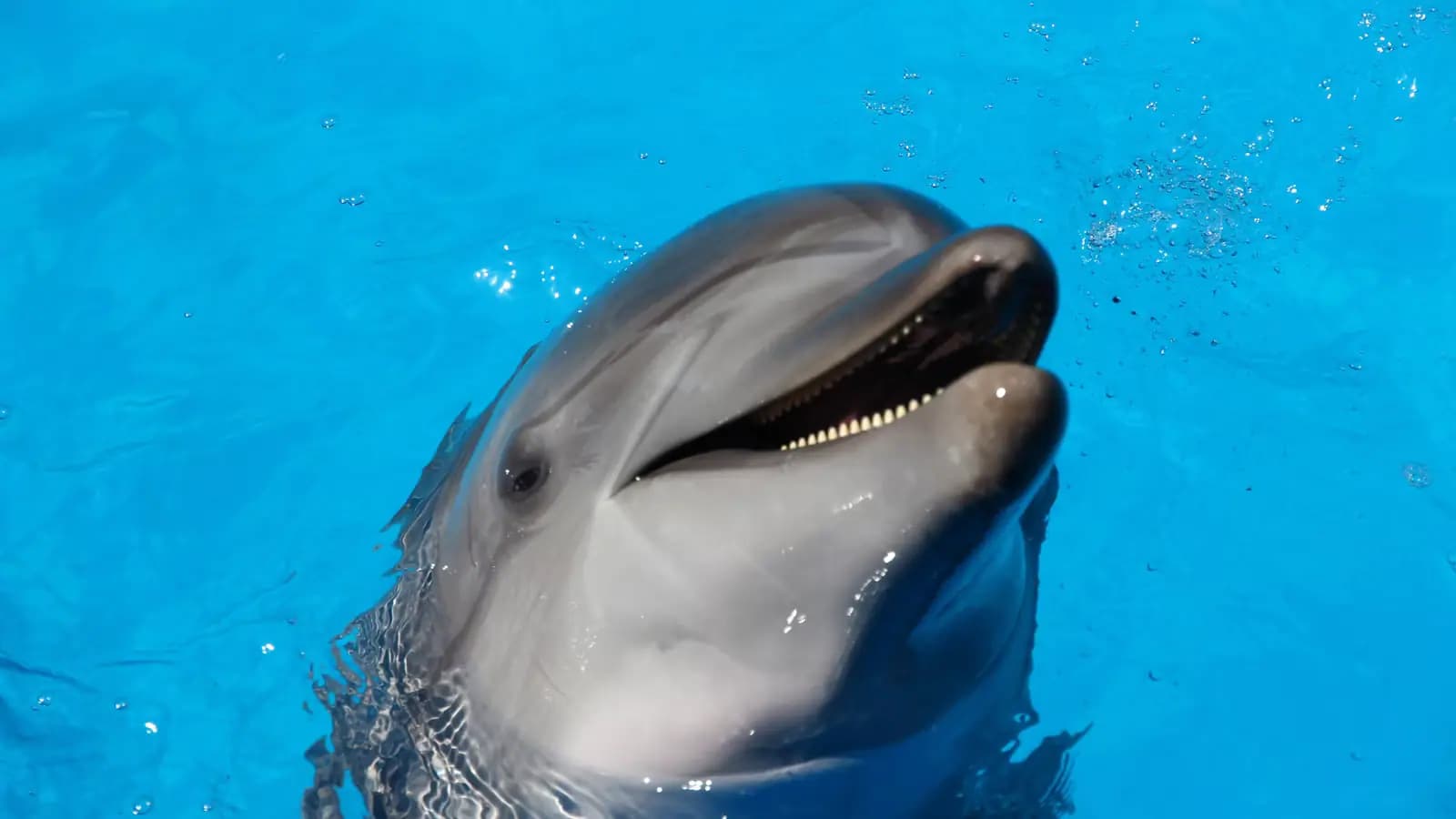
The scenery is part of the value. You will fish past shrimp boats working the sounds, dolphins pushing bait against the banks, and ospreys taking mullet off the surface fifty feet from the skiff. In summer, morning trips start early enough that you are back before the worst of the heat and the afternoon storms.

Nothing about this is guaranteed. Wind, water clarity after heavy rain, and a tide that runs wrong all matter. Good captains will say so.

Half day or full day, and what bites when

When to go

Half day is four hours on most boats and is the right first booking for almost everyone. Full day is eight and makes sense nearshore or when you want to run further for bigger fish. A Gulf Stream day is ten to twelve hours plus travel to the dock, which is a whole day gone.

Rough seasonal picture, with the caveat that fish do not read calendars:

  • Spring (March to May): water warms, redfish and trout spread out, sheepshead are strong around structure early in the season. Cobia move into Port Royal Sound and the Broad River to spawn from late April.
  • Summer (June to August): early starts to beat heat and storms. Trout, flounder, redfish inshore; sharks and Spanish mackerel nearshore; tarpon show in the sounds in late summer for the specialists.
  • Autumn (September to November): the best fishing of the year by most local reckoning. Bait floods the creeks, redfish feed hard, and the crowds have gone.
  • Winter (December to February): cold and clear. Redfish school up in big numbers in shallow water and sight fishing on a sunny, still day is genuinely excellent. Fewer boats run, prices soften.

Booking time of day matters less than booking the tide. Ask the captain which window he wants, then plan dinner around it.

What a Hilton Head charter costs

What it costs

Charters here are priced by the boat, not the head, which is the single most useful thing to understand before you compare quotes. Typical bands, to verify when you book:

  • Inshore half day, up to four to six anglers: roughly $450 to $700.
  • Inshore full day: roughly $700 to $1,000.
  • Nearshore reef and wreck trips: commonly $800 to $1,400 depending on hours and distance.
  • Gulf Stream day: usually $1,800 to $3,000 and up, reflecting ten to twelve hours and a great deal of fuel.
  • Shared or walk-on trips, where they exist, put a single angler on a boat with strangers for a per-person fare, which is the cheap way in for one or two people.

Included on most boats: rods, tackle, bait, ice, licence coverage and fillet service at the dock. Not included: food, drinks, and the crew tip, which is customarily fifteen to twenty percent and matters more here than on a sightseeing cruise because the mate does the unglamorous work.

Deposits are normal and cancellation terms are stricter than on tour boats, because the captain loses the day. Read them. Weather cancellations called by the captain are typically rescheduled or refunded.

Who should book which trip

Families with children under about ten should book a four-hour inshore trip and nothing longer. Bent rods every twenty minutes beat a trophy nobody caught, and being ten minutes from the dock matters when a six-year-old has had enough. Ask for a boat with a head or accept that there is not one.

Couples and casual anglers get the best value from a half-day inshore charter in April, May, September or October, when the fishing is strong and the island is not full.

Serious anglers should talk to the captain properly before booking. If you want to sight-fish for redfish on a winter low tide, or throw artificials rather than sit on bait, say so. There are guides here who specialise in exactly that, and there are boats that do not.

Anyone prone to seasickness should stay inshore, full stop. The creeks and Broad Creek are flat in most conditions. Beyond the sea buoy in a twenty-knot wind is a different ocean.

And if nobody in the group cares about catching anything, book a dolphin or nature cruise instead. A charter is expensive per hour for sightseeing.

Book it

Everything else we track

We could not find tours matching this right now

Nothing came back for fishing charter. Operators add and retire experiences constantly, so this list changes week to week. Try a broader category, or come back in a day or two.

Inshore, nearshore or offshore

How they compare

TripTypical lengthDistance outMain targetsSuits
Inshore creeks and sounds3 to 6 hrMinutes to a few milesRedfish, speckled trout, flounder, sheepshead, black drumFamilies, beginners, light tackle
Nearshore reefs and wrecks5 to 8 hr3 to 20 milesSpanish and king mackerel, sharks, cobia, triggerfishMixed groups wanting bigger fish
Mid-range bottom fishing6 to 10 hr20 to 60 milesAmberjack, grouper, snapper species, jacksExperienced anglers, meat fishing
Gulf Stream10 to 12 hr60 to 80 milesMahi, wahoo, blackfin tuna, sailfishCommitted crews with sea legs

Most Hilton Head charters are six-passenger boats, which is a Coast Guard limit rather than a marketing choice, and they are booked as a whole boat rather than per seat. That means the price is the same for two anglers or six, so the per-person cost falls sharply with a full party.

The other real variable is the captain's water. Some boats live inshore and know every oyster bank in Broad Creek. Others are set up for the long run. A good inshore guide on an offshore day, or the reverse, is an expensive mismatch. When you call, ask what the boat did yesterday, not what it can do.

What to bring on a charter

What to bring

  • Soft-soled, non-marking shoes, or bare feet inshore. No black soles, no heels on a floating dock.
  • Polarised sunglasses. Not a luxury. They let you see structure, fish and the bank, and they protect your eyes from a flying hook.
  • Sun protection you can reapply, a long-sleeved sun shirt, and a hat with a chin strap. There is no shade on a skiff and the glare off the sounds is relentless.
  • A soft cooler with your own food and drinks. Boats carry ice, not lunch. Cans and plastic only.
  • A rain shell in summer, because a passing cell soaks you in two minutes and then the sun comes back.
  • Motion sickness tablets taken the night before and again an hour ahead if you are going nearshore or offshore. Inshore you will be fine.
  • A bag for your catch if you plan to cook it, plus a plan for keeping it cold on the drive back.
  • Cash for the mate.

Leave the hard-sided coolers, the glass bottles and the bananas. The last one is superstition, and captains take it more seriously than you would expect.

Regulations, licences and the honest caveats

Before you book

Your licence is covered, with conditions. A vessel operating under a valid South Carolina charter vessel licence covers the people fishing aboard while it is under hire. That is the norm on legitimate charters. Ask the question anyway, especially with an unfamiliar operator, and note that riding along without fishing never requires a licence.

Limits change, and this state changes them. Size and bag limits for redfish, flounder and trout have been tightened in recent years. Cobia in Port Royal Sound and the Broad River are managed tightly, with seasonal restrictions that have included catch-and-release-only periods. Red snapper in South Atlantic federal waters opens for a very short window that shifts year to year. Your captain will know the current rules; do not plan a freezer around a species.

Shark fishing from shore is regulated in South Carolina, and the rules around handling and release are taken seriously. On a boat, follow the crew.

Catch and cook exists but is not universal. Several island restaurants will cook a cleaned catch for a fee. Which ones do it changes, so ask your captain who is doing it this season and call ahead, because most need notice.

The captain decides on weather. Small craft advisories and thunderstorms cancel trips. That call is not negotiable and it is the right one.

On the ground

Where to go

Every place below has its own page — hours, parking, what it costs and what to expect when you get there.

  • A dolphin surfacing in open water on a bright day

    Water feature

    Calibogue Sound

    Free

    The open water between Hilton Head's south end and Daufuskie: the view from Harbour Town, the ferry route, and the island's best sunsets.

    1–3 hoursFree to look at. The public beach below the high-water mark at the island's south end reaches it at no cost.

  • A muddy tidal creek winding through low marsh grass on a grey, misty morning

    Water feature

    Broad Creek

    Free

    The tidal creek that nearly cuts Hilton Head in two, and the launch point for most of the island's dolphin, kayak and jet-ski trips.

    0.5–3 hoursFree to look at and free to reach from Shelter Cove Community Park, Shelter Cove Harbour and Broad Creek Marina.

  • Low evening sun across a wide expanse of tall golden marsh grass

    Water feature

    Skull Creek

    Free

    The sheltered Intracoastal side of the island, marsh-lined and facing west, with the calmest paddling and the easiest free sunset.

    1–2.5 hoursFree. Squire Pope Community Park has free parking, a public pier and restrooms.

  • Boats moored on clear shallow water beside a sandbank, seen from above

    Marina

    Shelter Cove Harbour & Marina

    Free

    Mid-island marina on Broad Creek with summer fireworks every Tuesday, a giant Neptune on the quay, and no gate pass to pay.

    1–4 hoursFree to visit and free to park. No gate pass. Boat trips and activities are charged.

  • Pale early light across a wide, empty beach and shallow water

    Water feature

    Port Royal Sound

    Free

    One of the deepest natural sounds on the East Coast, off the island's north end, where strand feeding and big inshore fish are real.

    1–4 hoursFree to look at from the island's north-end parks and beaches. No charge for the water itself.

Straight answers

Questions people actually ask

Do you need a fishing licence for a charter on Hilton Head Island?

Generally not. A boat operating under a valid South Carolina charter vessel licence covers everyone fishing aboard while it is under hire, so passengers do not buy individual saltwater licences. Confirm it when you book, because the coverage depends on the vessel being properly licensed. If you fish from shore, a dock or a pier instead, you need your own South Carolina saltwater licence, which is inexpensive and available online.

How much is a fishing charter on Hilton Head?

Charters are priced per boat rather than per person. Inshore half days typically run $450 to $700, inshore full days $700 to $1,000, and nearshore reef trips $800 to $1,400. A Gulf Stream day usually starts around $1,800 and climbs. Shared or walk-on trips offer a per-person fare for one or two anglers. Rods, bait, ice and fillet service are normally included; food, drinks and the mate's tip are not.

What fish can you catch around Hilton Head Island?

Inshore, the staples are red drum, speckled trout, flounder, black drum and sheepshead around dock pilings and oyster banks. Nearshore adds Spanish and king mackerel, sharks, amberjack and cobia in late spring. Out in the Gulf Stream, sixty to eighty miles off, the targets are mahi, wahoo, blackfin tuna and sailfish. Limits and seasons for several of these have changed recently, so your captain decides what goes in the box.

What is the best time of year to fish on Hilton Head?

Autumn, for most species. September through November brings bait flooding the creeks, hard-feeding redfish and far fewer people. Spring is a close second and adds the cobia run into Port Royal Sound and the Broad River from late April. Summer fishes well early in the morning before heat and storms. Winter is underrated: redfish school in big numbers in shallow water and sight fishing on a calm sunny day is excellent.

Can you keep and eat what you catch on Hilton Head?

Yes, within South Carolina and federal limits, and crews normally fillet your keepers at the dock. Bring a cooler. Several island restaurants will cook a cleaned catch for a fee, though which ones offer it changes from season to season, so ask your captain and call the restaurant ahead. Size and bag limits for flounder, redfish and cobia have been tightened in recent years, so do not plan meals in advance.

Are Hilton Head fishing charters good for kids?

Inshore trips are excellent for children. Three to four hours in the protected creeks and sounds, ten minutes from the dock, light rods with bait and a captain who prioritises frequent bites over big fish. Seasickness is rarely a problem inside Broad Creek and Skull Creek. Nearshore and offshore trips are a different proposition entirely: long runs, real swell and a full day with no way back early.

How far offshore is the Gulf Stream from Hilton Head?

Roughly sixty to eighty miles, which is a long way compared with ports further south in Florida. That distance is why a genuine Gulf Stream charter runs ten to twelve hours and costs several times an inshore trip. Boats leave at or before dawn. If you want big fish without the commitment, the artificial reefs and live bottom between three and twenty miles out are the sensible middle ground.