Skip to content
Menu

We earn a commission if you book through this link. You pay the same price.

Things to Do

Kayaking and Paddleboarding on Hilton Head

Last updated

Broad Creek, the Palmetto Dunes lagoons, Skull Creek and Pinckney Island: where to kayak on Hilton Head Island, why the tide decides everything, and costs.

Kayaking here is not really about the boat. It is about the tide, and once you understand that, every other decision gets easier.

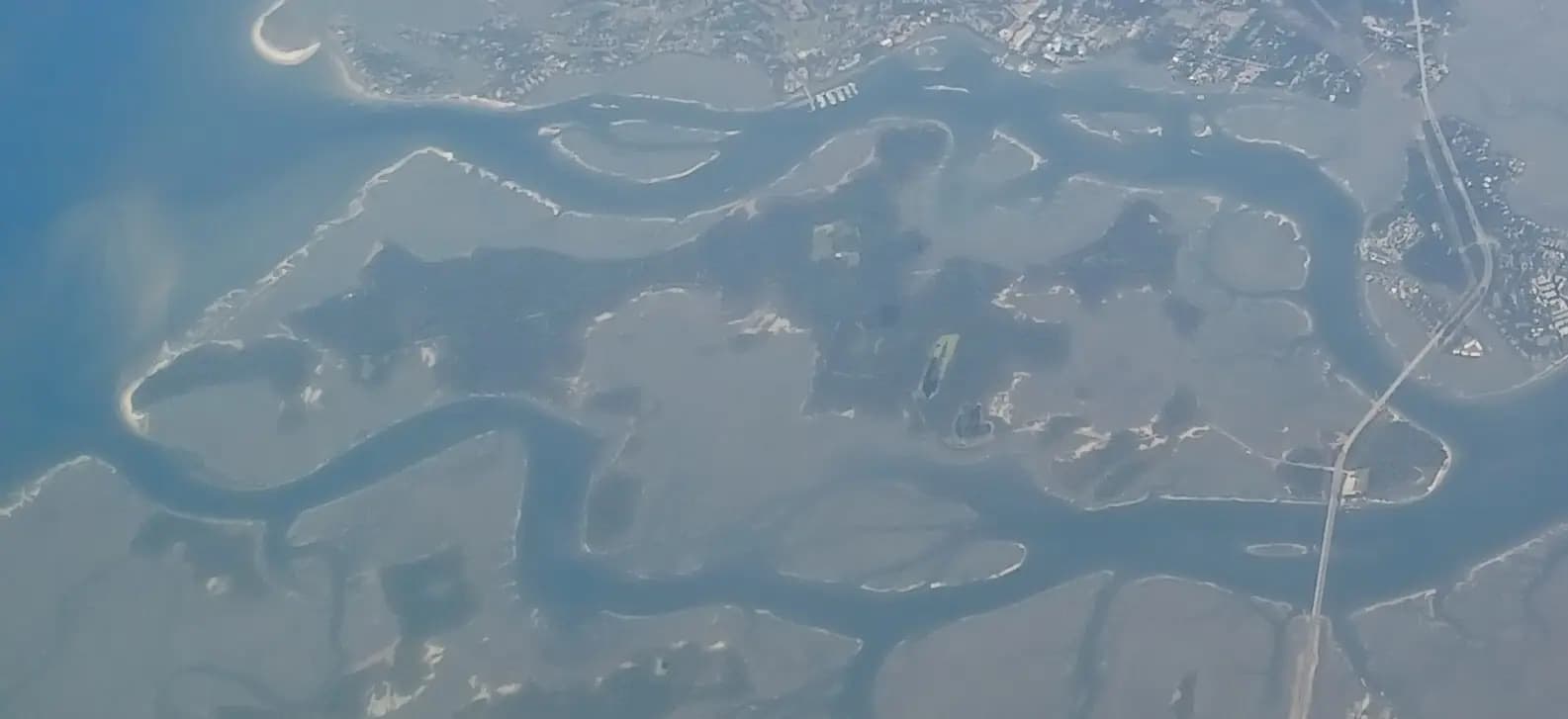
Hilton Head sits in an estuary with a six to nine foot tidal range, which is large for the Atlantic coast. The same creek is a wide, calm waterway at high water and a narrow channel between eight-foot banks of pluff mud three hours later. Pluff mud is the local name for the grey, sulphurous, knee-deep stuff the marsh sits on, and it is the reason experienced guides schedule trips around the water rather than the clock. A guided paddle that starts an hour before high water floats you up into the little feeder creeks where the grass closes overhead. The same route at dead low is a mud slog with no way out of the boat.

Four environments are worth knowing. Broad Creek cuts into the island's middle and is the busiest, with marsh on both sides and motorboat traffic in the main channel. The Palmetto Dunes lagoon system runs about eleven miles through the resort and is the outlier: flat, sheltered, no tide worth the name and no powerboats, which makes it the beginner and family answer. Skull Creek carries the Intracoastal down the back side with wide water and real current. And Mackay Creek, on the far side of the causeway, wraps around Pinckney Island National Wildlife Refuge, where the public C.C. Haigh Jr. Boat Landing gives free access to some of the quietest paddling in the area.

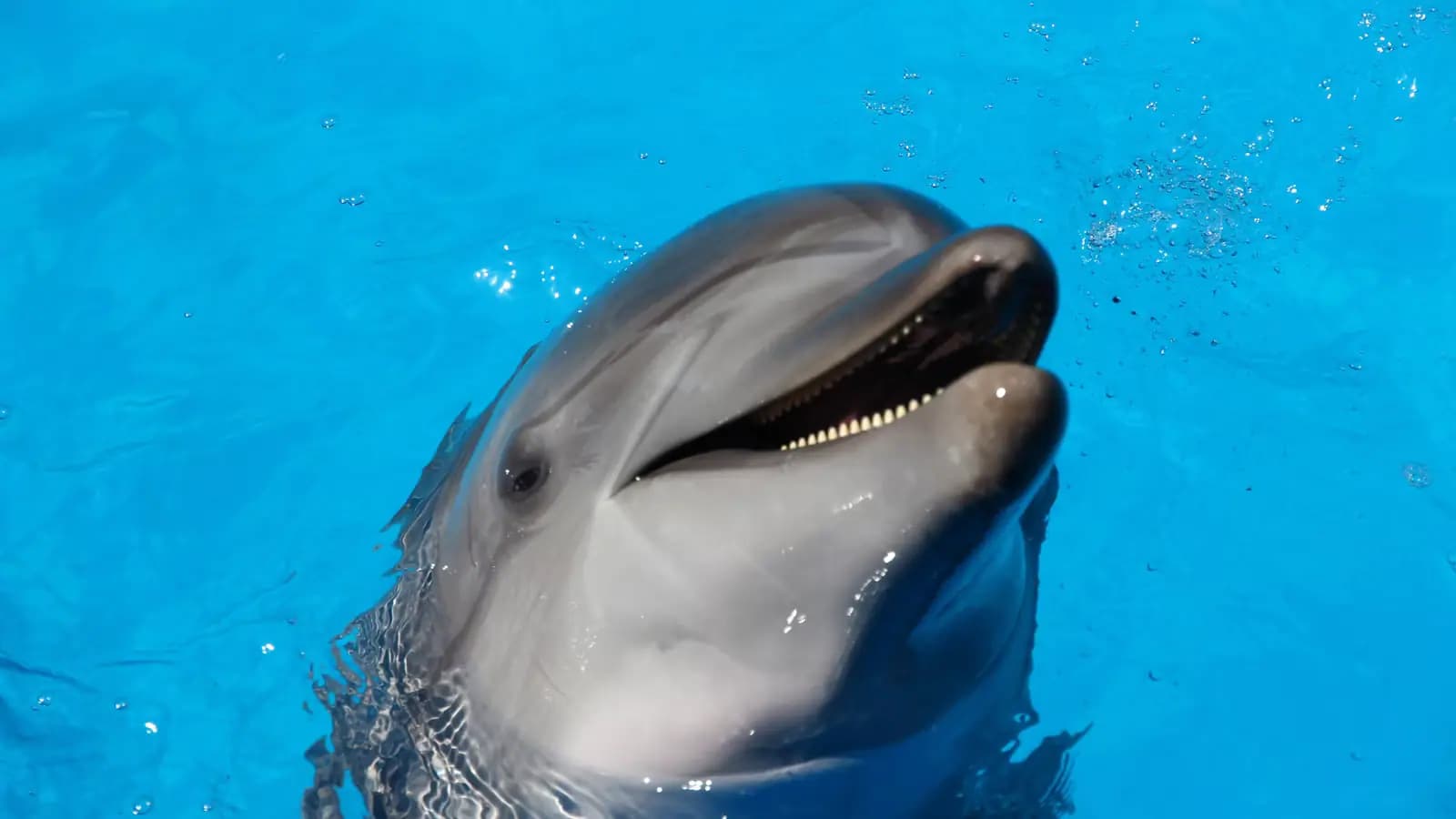
Wildlife is a genuine draw rather than a brochure line. Dolphins work the creek mouths and will surface near a kayak, which is thrilling and also subject to the same federal rules that apply to tour boats: keep your distance, do not chase, never feed. Ospreys nest on the channel markers, wood storks and egrets stalk the flats, and the fiddler crabs move across the mud in sheets when you drift past.

Two hours is the standard guided trip. Rentals run by the hour or the half day. Sunrise paddles are the best-kept habit on the island, and dusk is when the no-see-ums come for you.

Our picks

The ones we would book

  • Editor's Pick

    Best guided marsh paddle

    Why we chose it

    A two-hour guided trip scheduled around high water, launching mid-island and going straight off the main channel into the feeder creeks. You pay for the tide knowledge as much as the boat: the same route at dead low is mud. Small enough groups that the guide can actually talk, and the best chance of dolphins from a kayak.

    Guided Kayak Tour of Broad Creek

    Kayaking & Canoeing

    Guided Kayak Tour of Broad Creek (opens in a new tab)

    Editor's PickFree cancellationSmall group
    1K reviews

    Stable sit-on-top boats, a two-hour paddle with the tide, and dolphins that routinely surface alongside.

    2 hours

    Saved listing — live prices unavailablePrices checked

    from $55
  • Best for Beginners

    Best first-time paddle: the lagoons

    Why we chose it

    The Palmetto Dunes lagoon system runs roughly eleven miles with no tide, no current and no powerboats, which removes every variable that makes creek paddling intimidating. Hourly rentals, tandem boats for families, herons and turtles a few feet away. Check access rules before driving over, since some resort rentals prioritise guests.

  • Best for Families

    Best family kayak tour

    Why we chose it

    Two hours in tandem sit-on-top boats with a guide, on a rising tide so nobody has to drag a kayak across pluff mud. Adults paddle, children ride up front and spot fiddler crabs. Morning departures avoid the heat and the afternoon storms, and the short duration matches the attention span it is aimed at.

    Salt Marsh Kayak Eco Tour with a Naturalist

    Kayaking & Canoeing

    Salt Marsh Kayak Eco Tour with a Naturalist (opens in a new tab)

    Best for FamiliesFree cancellationSmall group
    487 reviews

    A slow, low-tide paddle through the spartina with a guide who reads the marsh like a page.

    2–3 hours

    Saved listing — live prices unavailablePrices checked

    from $62

Where you actually paddle on Hilton Head

Broad Creek is the default. Outfitters launch from the marinas mid-island and take you off the main channel into the marsh within minutes. Best on a rising tide, busiest with powerboats at weekends, and the most reliable place to see dolphins from a kayak.

The Palmetto Dunes lagoon system is the beginner's paradise and the only truly tide-free option. Roughly eleven miles of connected freshwater and brackish lagoons inside the resort, no motorboats, no current, no chop. Turtles, herons, the occasional alligator sunning on a bank. If you have young children or nervous paddlers, start here and go to the creeks later in the week.

Skull Creek and the Intracoastal on the back side of the island give you wide water, bigger views across to Pinckney Island, and real current. Stronger paddlers only, and watch for barge and yacht traffic in the channel.

Mackay Creek around Pinckney Island is the quiet one. The C.C. Haigh Jr. Boat Landing sits on Pinckney Island just off US-278, a Beaufort County public landing with a ramp, a courtesy dock and a decent amount of parking. From there you can paddle the refuge shoreline and the creek systems on either side. Free to launch, no rental on site, and no facilities inside the refuge itself.

Why tide timing decides your whole trip

When to go

Two high tides and two low tides roll through every day, about six hours apart, with a range of six to nine feet depending on the moon. In practical terms:

  • The two hours either side of high water are the sweet spot for creek paddling. The feeder creeks are full, the grass is at eye level, and you can get deep into the marsh.
  • A falling tide is a free ride out and hard work back. Guides use it deliberately, but only with a plan.
  • Dead low turns the small creeks to mud channels and can leave you carrying a boat across pluff mud. Nobody enjoys that twice.
  • Slack water, the flat half hour at the turn, is the best window for stand-up paddleboarding anywhere outside the lagoons.

Guided trips already solve this for you, which is the strongest argument for booking one on a first visit: the departure time in the listing is the outfitter telling you when the water is right. If you rent instead, look at a tide chart for the island before you choose your hour.

Time of day matters too. Sunrise paddles are calm, cool and busy with feeding birds, and Hilton Head's east-facing geography means good light early. Summer afternoons bring heat and thunderstorms that build after about 2pm. Dusk looks tempting and is when the marsh insects arrive.

What kayaking costs on Hilton Head

What it costs

Typical bands, worth confirming with the outfitter because they shift between peak and shoulder season:

  • Guided two-hour kayak tour: roughly $50 to $75 per person, with children often a little less. Private guided trips cost more per head.
  • Single kayak rental: commonly $25 to $45 for two hours, less per hour for a half or full day.
  • Tandem kayak rental: usually $40 to $65 for two hours.
  • Stand-up paddleboard rental: broadly similar to a single kayak, occasionally a little more.
  • Launching your own boat at the C.C. Haigh Jr. landing on Pinckney Island: free, with public parking.

Guided trips include the boat, paddle, life jacket and a guide who does the tide arithmetic. Rentals include the boat and a life jacket, which you are required to have aboard. Some resort-based rentals are open to guests of that community only, and Sea Pines charges a day pass at the gate for non-guests driving in, so check the access rules before you drive across the island.

Tipping guides is customary on a tour, in the region of fifteen to twenty percent. Book guided trips a few days out in June, July and August, when the good tide windows sell out first.

Who kayaking here suits

Families with children from about five upward do well in a tandem on the Palmetto Dunes lagoons, where there is no current, no chop and no powerboats. Move to a guided creek trip once everyone is comfortable.

First-time visitors should book a guided two-hour marsh tour early in the week. It is the single best introduction to how this island works, and it makes the rest of your trip more interesting, because you will then know what the grass, the mud and the tide lines actually mean.

Photographers and birdwatchers should take a sunrise trip, ideally around Pinckney Island or the quieter reaches of Broad Creek. The light is better, the water is glass, and the wading birds are feeding.

Fit paddlers wanting distance should look at Skull Creek and the Intracoastal on a planned tide, understanding that the current there is real and the barge traffic is not theoretical.

People who should skip the creeks: anyone unsteady getting in and out of a low boat from a floating dock, and anyone who wants to be on the water at 4pm in July regardless of the tide. The lagoons will serve you much better.

Book it

Everything else we track

We could not find tours matching this right now

Nothing came back for kayak tour. Operators add and retire experiences constantly, so this list changes week to week. Try a broader category, or come back in a day or two.

Guided trip, rental or paddleboard

How they compare

OptionTypical lengthBest forWatch out for
Guided marsh tour2 hrFirst-timers, wildlife, tide handled for youGroup pace; fixed departure times
Lagoon rental (Palmetto Dunes)1 to 4 hrFamilies, children, nervous paddlersResort access rules; no open-water views
Creek rental2 hr to half dayConfident paddlers who read a tide chartGetting the tide wrong; motorboat wakes
Stand-up paddleboard1 to 2 hrCalm water, slack tide, fitnessCurrent and wind are unforgiving on a board
Private guided paddle2 hrPhotographers, sunrise trips, mixed abilitiesCosts more per person

A first trip on Hilton Head should almost always be guided. Not because paddling is hard, but because a guide who knows which creek is passable at 9:40am on a Tuesday will show you a completely different marsh from the one you find on your own at the wrong hour.

Tandem kayaks are the standard family solution and let an adult do the work while a child sits in front. Sit-on-top boats are the norm here and are far easier to get back onto if you go in. If you want a stand-up board and you are not experienced, take it on the lagoons rather than into Broad Creek.

What to bring on the water

What to bring

  • Shoes you can get muddy. Water shoes or old trainers. Oyster rakes are sharp enough to open a foot, and pluff mud takes flip-flops as tribute.
  • Sun protection that stays on. A long-sleeved sun shirt beats reapplying sunscreen with wet hands, plus a hat with a strap and sunglasses on a cord.
  • Insect repellent, used before you launch. No-see-ums and marsh mosquitoes are worst around dawn and dusk and on still days.
  • Water, more than you think. A two-hour paddle in July is a workout in full sun with no shade.
  • A dry bag or a zip bag for your phone, tied to the boat. Phones go overboard here constantly.
  • A hair tie, and nothing loose. Anything not attached becomes marsh litter.
  • A change of clothes in the car. You will be wetter and muddier than you expect.

Do not bring: a paper tide chart you have not read, glass, a drone, or a dog unless the outfitter explicitly allows one. And leave the shells and the live sand dollars in the water. Taking live shellfish is not allowed in South Carolina.

The local hazards to take seriously

Before you book

Pluff mud is not a joke. It is deep, it grips, and getting out of a stuck kayak onto a marsh bank at low tide is how people lose shoes and sprain ankles. If you ground, stay in the boat and push off with the paddle.

Oyster rakes cut. Exposed oyster beds line every creek at low water and they are genuinely razor-edged. Do not step out onto them, and keep hands inside when you drift close.

Alligators live in the island's lagoons and ponds, including parts of the Palmetto Dunes system. They almost always want nothing to do with a kayak. Keep your distance, do not let a dog trail a paw, and never feed one. Feeding alligators is illegal in South Carolina and it is what turns a harmless animal into a dangerous one.

Powerboat wakes are the main real risk in Broad Creek and Skull Creek. Take a wake bow-on, not side-on, and stay out of the marked channel.

Dolphins may come to you. Do not go to them. Federal rules ask for 50 yards, no pursuit and no feeding, and that applies to a kayak exactly as it applies to a tour boat.

Heat, storms and the afternoon. Summer thunderstorms build fast and open water is the wrong place to meet lightning. Paddle early.

On the ground

Where to go

Every place below has its own page — hours, parking, what it costs and what to expect when you get there.

  • Low evening sun across a wide expanse of tall golden marsh grass

    Wildlife

    Pinckney Island National Wildlife Refuge

    Free

    Four thousand free acres on the causeway, wading birds by the hundred at Ibis Pond, and not a restroom or water tap anywhere.

    1–4 hoursFree — no entry fee and no parking charge

  • Palm trees silhouetted against a pink and violet sunset above calm water

    Water feature

    Palmetto Dunes Lagoon System

    Eleven miles of interconnected flat water that never goes out with the tide — the island's most forgiving place to learn to paddle.

    1–3 hoursNo charge to enter for the outfitter; kayak and canoe rental is paid by the hour

  • A muddy tidal creek winding through low marsh grass on a grey, misty morning

    Water feature

    Broad Creek

    Free

    The tidal creek that nearly cuts Hilton Head in two, and the launch point for most of the island's dolphin, kayak and jet-ski trips.

    0.5–3 hoursFree to look at and free to reach from Shelter Cove Community Park, Shelter Cove Harbour and Broad Creek Marina.

  • Low evening sun across a wide expanse of tall golden marsh grass

    Water feature

    Skull Creek

    Free

    The sheltered Intracoastal side of the island, marsh-lined and facing west, with the calmest paddling and the easiest free sunset.

    1–2.5 hoursFree. Squire Pope Community Park has free parking, a public pier and restrooms.

  • A wooden dock reaching out over a calm lake backed by a low tree line

    Park

    Jarvis Creek Park

    Free

    A paved mile around an 11-acre lake, a free fishing dock and no parking meter in sight — the island's most useful ordinary park.

    1–2 hoursFree, with free parking

Straight answers

Questions people actually ask

Where is the best place to kayak on Hilton Head Island?

It depends on your experience. Beginners and families should start on the Palmetto Dunes lagoon system, roughly eleven miles of sheltered water with no tide and no powerboats. Confident paddlers get more from Broad Creek's marsh channels or Mackay Creek around Pinckney Island, launching free at the public C.C. Haigh Jr. landing off US-278. Skull Creek on the Intracoastal suits stronger paddlers who can handle current and boat traffic.

Does the tide matter for kayaking on Hilton Head?

Enormously. The island has a six to nine foot tidal range, so a creek that is wide and calm at high water becomes a narrow channel between banks of pluff mud a few hours later. The two hours either side of high tide are the best window for creek paddling. Guided tours are scheduled around it for you, which is the main reason to book one on a first visit rather than renting.

How much does kayaking cost on Hilton Head?

Guided two-hour tours generally run $50 to $75 per person. Single kayak rentals are commonly $25 to $45 for two hours and tandems $40 to $65, with better rates for half and full days. Paddleboards are broadly similar to single kayaks. Launching your own boat at the public landing on Pinckney Island is free. Tipping guides fifteen to twenty percent is customary on a tour.

Can you see dolphins while kayaking on Hilton Head?

Yes, and it happens regularly in Broad Creek, Skull Creek and around the creek mouths where dolphins push bait against the banks. Being at water level makes it memorable. The federal rules that apply to tour boats apply to you: stay at least 50 yards away, never pursue an animal, and never feed one. If a dolphin chooses to come close to your kayak, stop paddling and let it.

Are there alligators where you kayak on Hilton Head?

In the freshwater and brackish lagoons and ponds, yes, including parts of the Palmetto Dunes system and the lagoons in the island's residential communities. They are common, generally indifferent to kayaks and best left entirely alone. Keep your distance, keep hands and pets inboard, and never feed one, which is illegal in South Carolina. The saltwater creeks and sounds are not alligator habitat in any meaningful sense.

Do you need experience to kayak on Hilton Head Island?

No. Guided tours use stable sit-on-top kayaks and are designed for complete beginners, and the Palmetto Dunes lagoons remove current and boat traffic from the equation entirely. What a first-timer should not do is rent a boat and head into Broad Creek or Skull Creek without checking a tide chart. Current, wakes and a falling tide are what get inexperienced paddlers into trouble here.

When is the best time of day to kayak on Hilton Head?

Early morning, on a rising or high tide. The water is flat, the air is cool, wading birds are feeding, and summer thunderstorms have not built yet. Sunrise paddles are the local habit for good reason. Avoid dusk unless you like no-see-ums, and avoid mid to late afternoon in July and August, when heat and lightning risk peak on open water.