Best for Families
Best on-the-water add-on to a beach week
Why we chose it
A 90-minute dolphin or nature cruise is the easiest way to break up a beach week without giving up a whole day. Look for departures from the marina closest to your rental, because on a summer Saturday the drive across the island costs more time than the trip itself. Boats with deep review histories tend to be the ones that run reliably in shoulder season.

Sunset Cruises
Sunset Cruise from Shelter Cove Harbour (opens in a new tab)
Best for FamiliesFree cancellationLikely to sell out
1.9K reviews
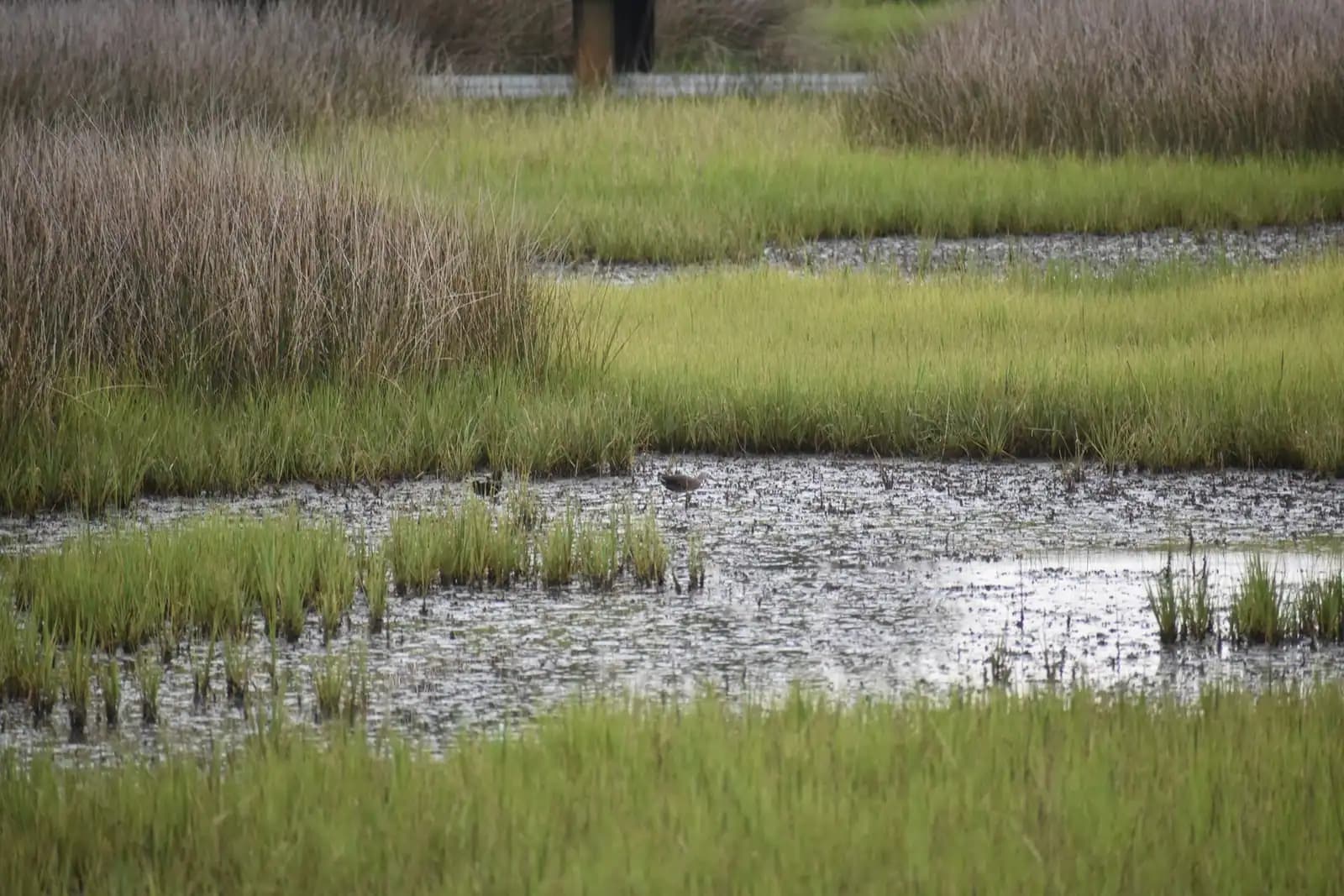
The island's most-booked evening run, timed so the sun drops behind the Broad Creek marsh grass.
1–2 hours
Saved listing — live prices unavailablePrices checked
from $49