Involves Animals
Hilton Head Island Dolphin Boat Cruise (opens in a new tab)
- Experience dolphins up close and in their natural environment - Fun for Families & Educational - Comfortable and completely shaded boat…
1–2 hours
Prices checked
These bookings run through Viator, who pay us a commission. Your price does not change, and neither does the order they appear in.
Beach
Last updated
North-end sand on Port Royal Sound, thick with shells and driftwood, behind the first self-governed town of freed people in America.
Photo: Town of Hilton Head IslandPublic domain
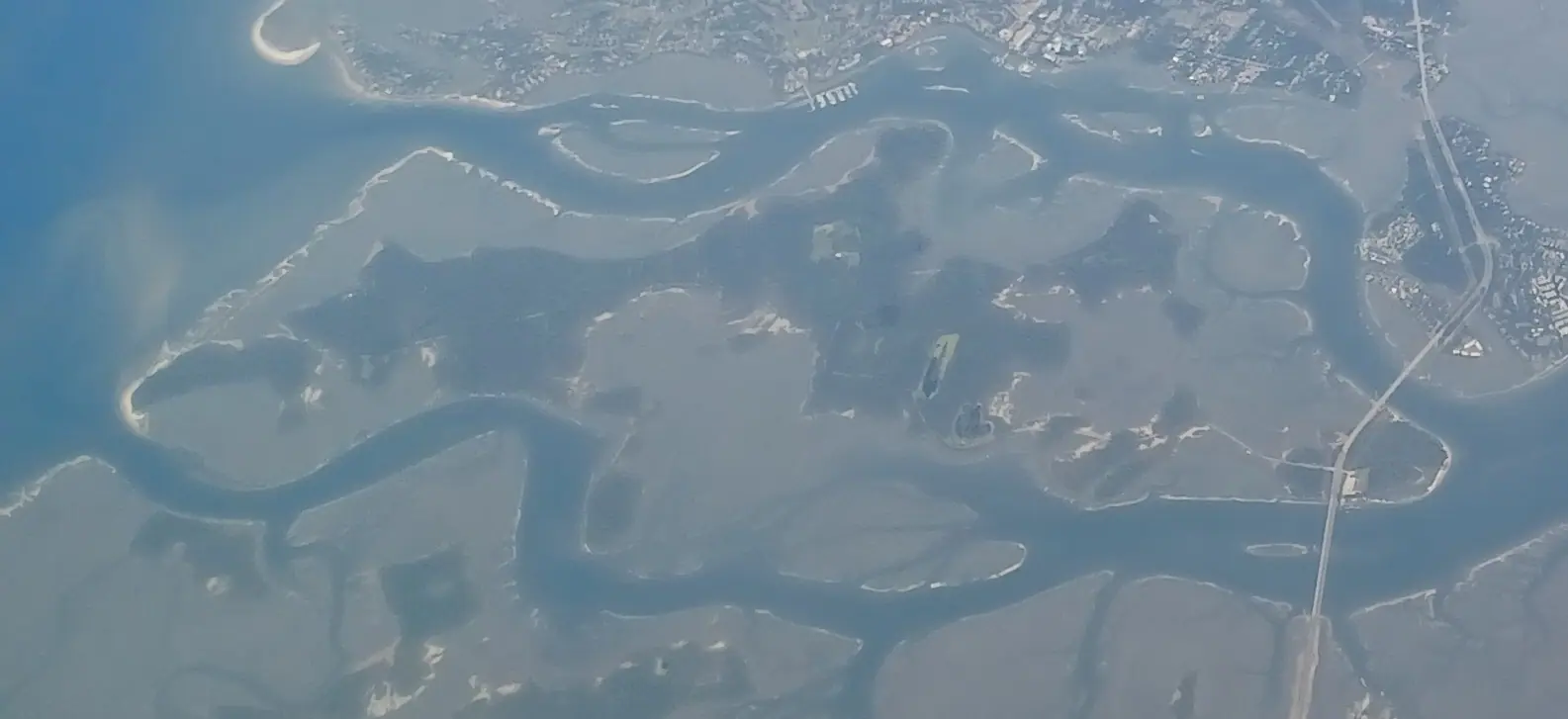
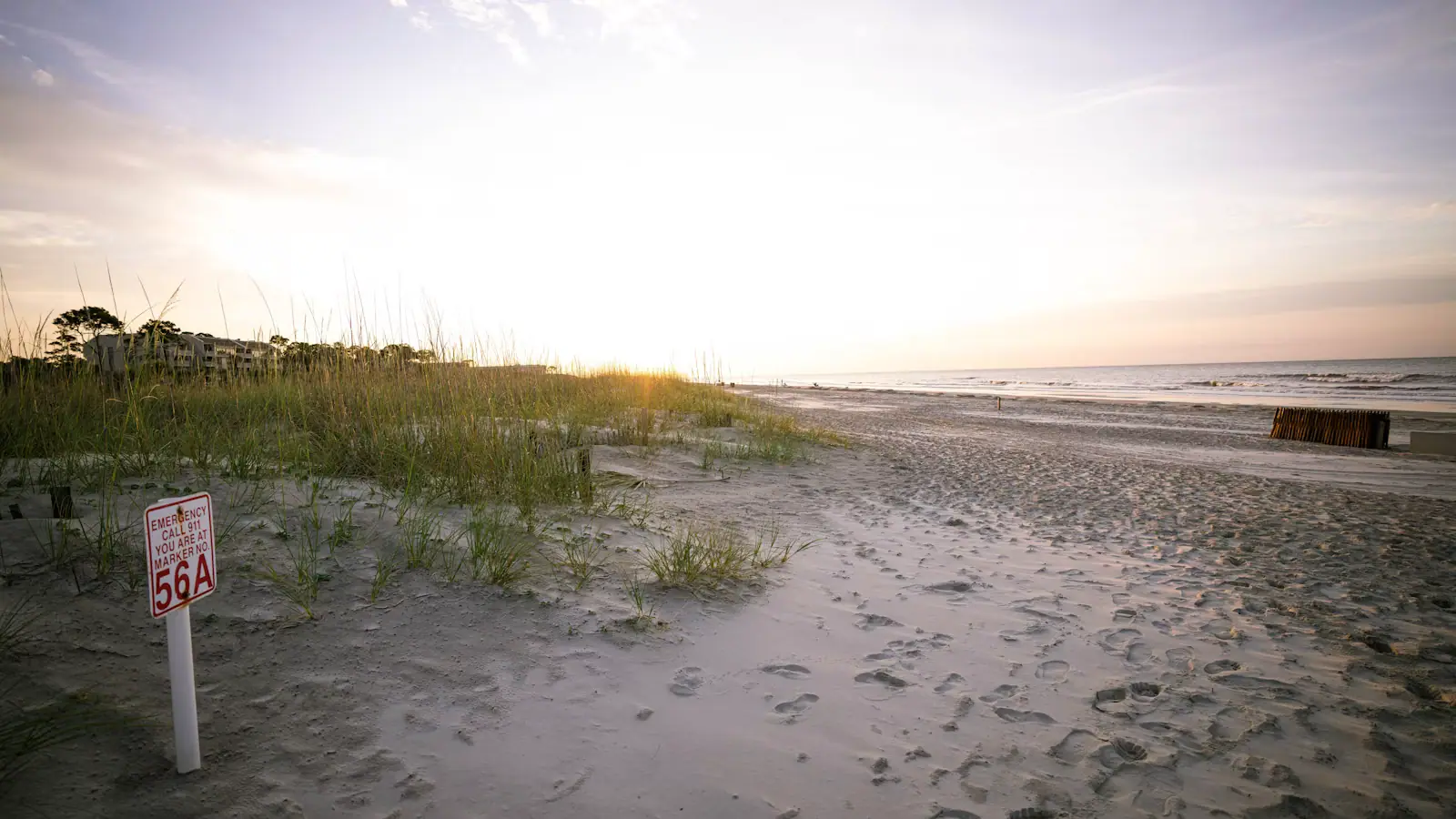
Mitchelville Beach is the north-end shoreline where Hilton Head Island stops behaving like a resort. It faces Port Royal Sound rather than the Atlantic, the sand is uneven and full of shell and small stone, bleached driftwood lies along the tree line, and there is nobody selling anything. On a February morning you can walk it for an hour and see two people and forty birds.
A naming note first, because it causes real confusion. Locals and signage use "Mitchelville Beach" and "Fish Haul Beach" for what is effectively the same stretch of shore at the north end, reached through the Town park on Mitchelville Road and from Historic Mitchelville Freedom Park nearby on Beach City Road. Check the address you are navigating to rather than trusting the name on a listing. Parking at the Freedom Park is free year-round; parking at the beach park is charged by the hour in season.
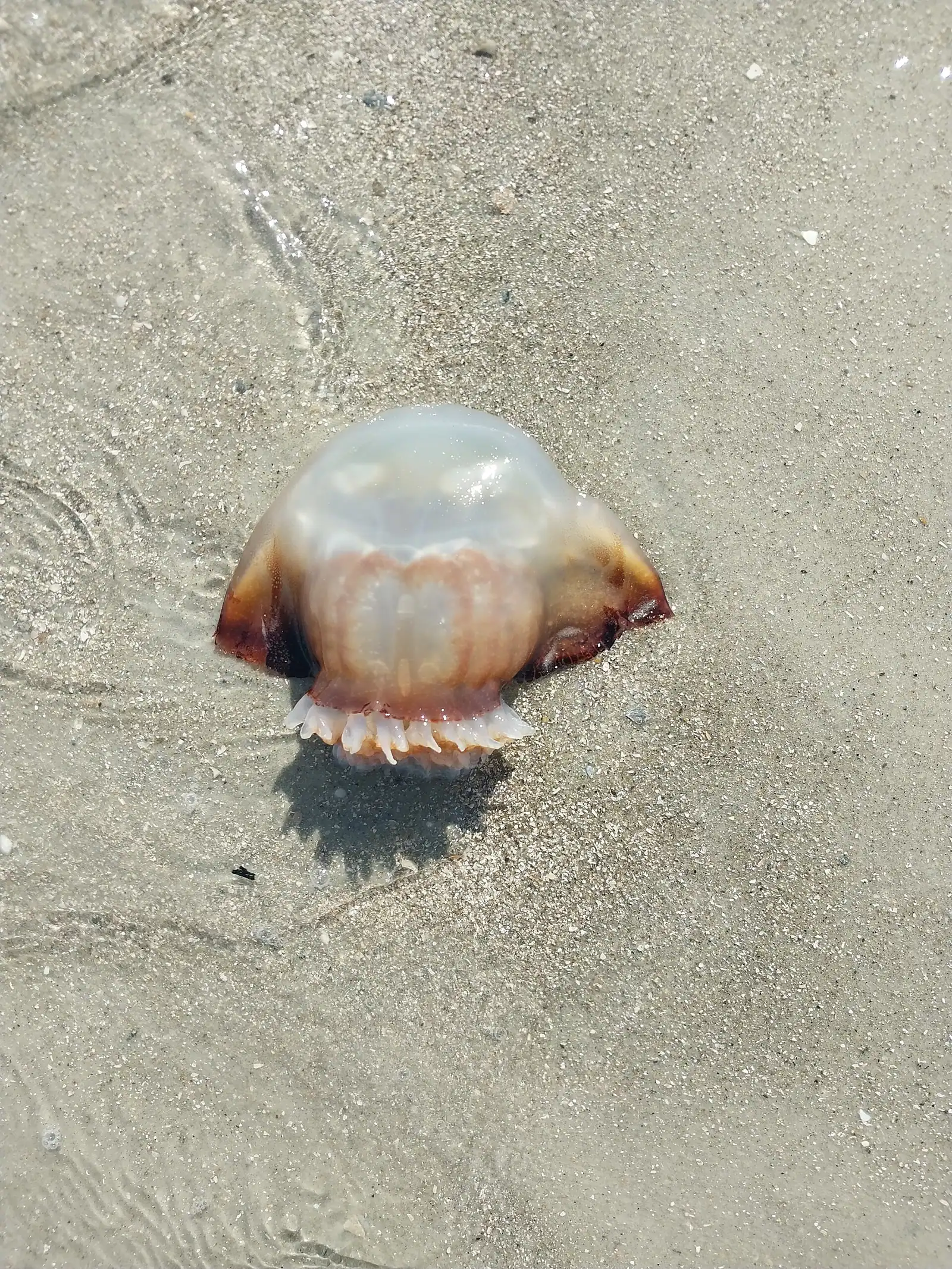
The beach is a beachcomber's rather than a swimmer's. The Sound drops shells in quantity: whelks, arks, olives, scallop fragments, the occasional shark tooth, and the moulted shells of horseshoe crabs, which are older as a lineage than the trees behind them. Live shells, sand dollars and conchs stay where they are, by Town regulation. There are no lifeguards, no chair rentals and no shade beyond what the trees give you, and at low water the shallows run out so far that swimming is not really the activity on offer.
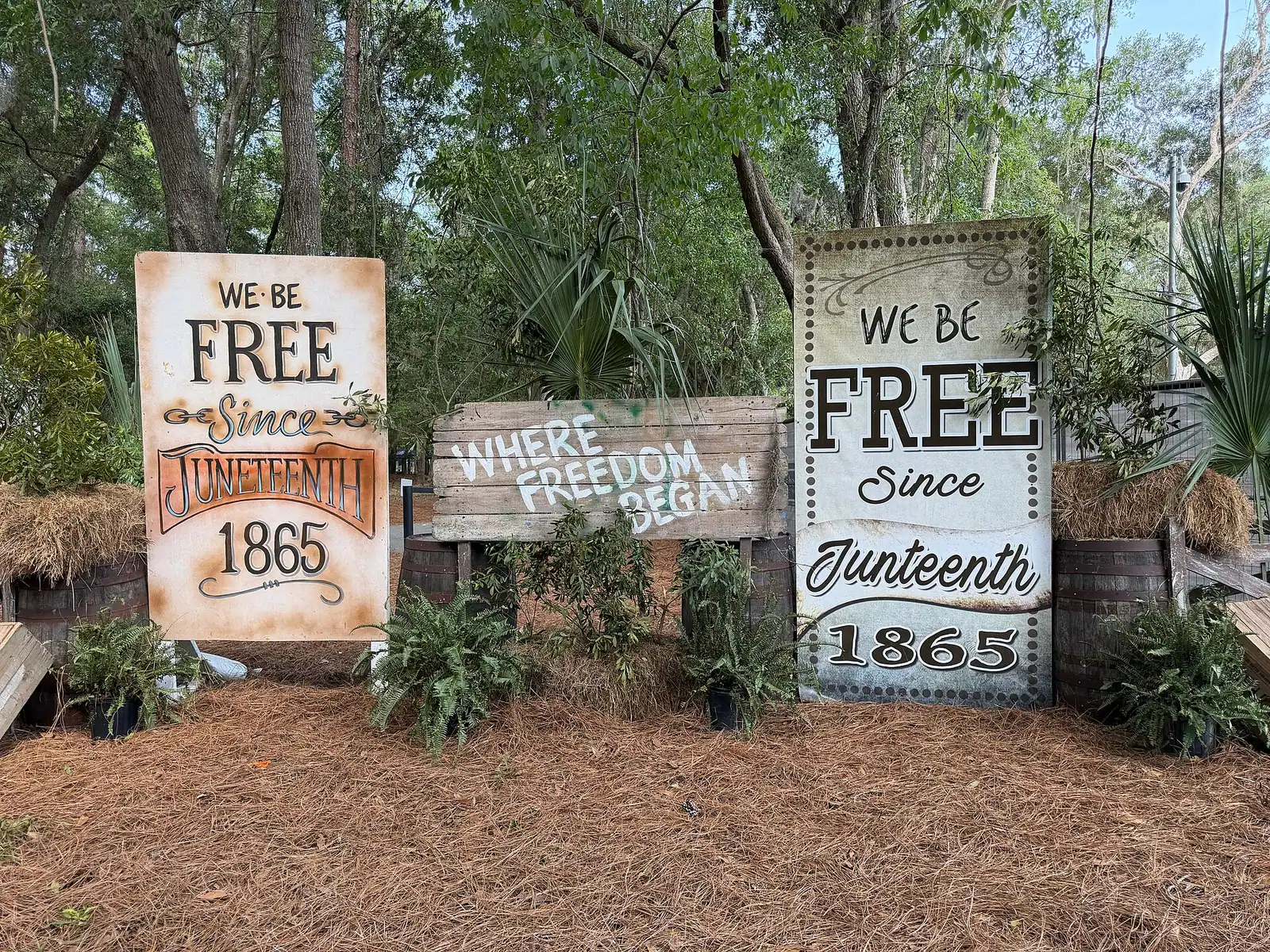
What sits behind the dune line is the reason to come with more than a bucket. In 1862, after Union forces took the island, formerly enslaved people established Mitchelville here: the first self-governed town of freed people in the United States, with its own elected officials, and a population that grew to roughly fifteen hundred. Historic Mitchelville Freedom Park interprets the site with exhibits, trails, a picnic pavilion and an observation gazebo, and the Town notes a Toni Morrison bench installed in 2013. Walk the exhibits first. The beach reads differently afterwards.
From US-278 (William Hilton Parkway) at the north end, turn onto Beach City Road and follow it about two miles to the four-way stop. Historic Mitchelville Freedom Park is signed off Beach City Road on Harriet Tubman Way with free parking; Fish Haul Beach Park is a short distance further on Mitchelville Road with paid seasonal parking and a free overflow lot at Barker Field.
Allow around 30 minutes from Coligny and 20 from the Cross Island Parkway. Traffic on US-278 near the bridges can add a good deal on summer Saturdays.
This is the far end of the island from the leisure-trail density of the resort corridor, so most people drive. If you do ride, allow for a longer and less shaded route than to the mid-island beaches.
The practical geography of the north end is simple once someone explains it, and confusing until then.
Historic Mitchelville Freedom Park, on Harriet Tubman Way off Beach City Road, has free parking year-round, restrooms, interpretive trails, a picnic pavilion, an observation gazebo and its own access to the shore. Posted hours run 6am to 9pm in summer and 6am to 6pm in winter, shifting with the change from daylight saving.
Fish Haul Beach Park, on Mitchelville Road a short distance away, has around ninety paid spaces plus a free overflow lot at Barker Field, restrooms, outdoor showers, beach matting and a marsh boardwalk. Its parking is charged by the hour from 1 March to 7 September.
Both put you on the same shoreline. If your visit is mainly about the history and a walk, use the Freedom Park and pay nothing. If you want showers and matting after a long low-tide wander, use the beach park.
There is no food, no shop and no rental hut at either. The nearest supplies are back out on US-278.
Time this beach by the tide and nothing else. Within two hours either side of low water the shore moves a long way out and leaves ripple-marked sand, mud pans, oyster rakes and windrows of shell.
What turns up here, roughly in order of frequency: knobbed and lightning whelks, ark shells, olive shells, scallop and clam fragments, and moulted horseshoe crab carapaces. Shark teeth are found often enough that people search deliberately for them, usually in the coarser shell gravel rather than the clean sand. Sand dollars occur; live ones, which look brown and velvety rather than white and bleached, have to be put back.
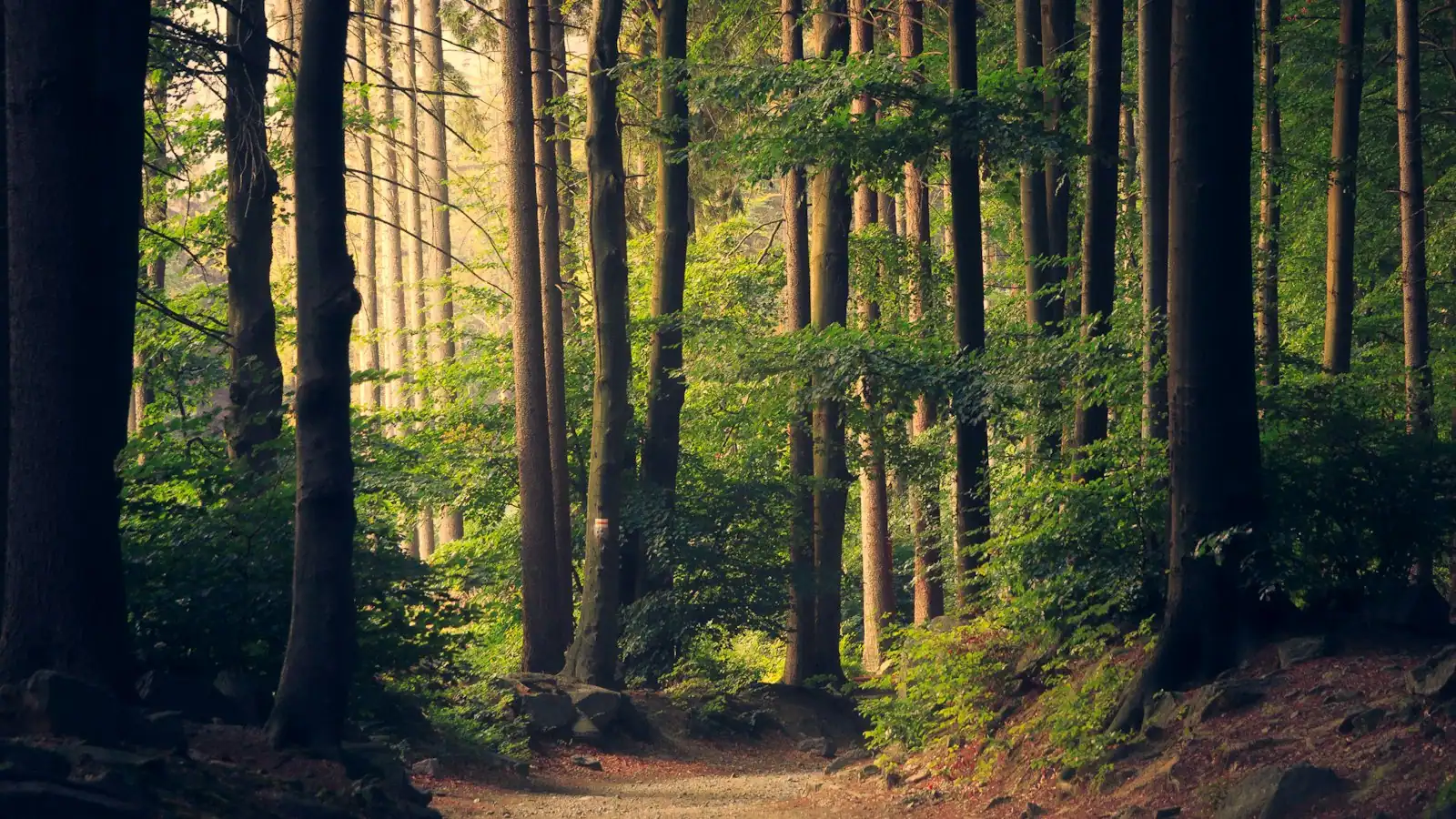
The driftwood is the other signature. Trees at the eroding edge of the maritime forest fall, bleach and stay, and along parts of this shore they lie stripped and silver across the sand. At sunrise with a wet flat behind them they are the best photograph on the north end.
Wear shoes. Oyster shell cuts, and there is a lot of it between the sand and the water.
Union forces took Hilton Head Island in November 1861. Thousands of people who had been enslaved on the surrounding plantations came to the Union lines, and in 1862 a town was laid out for them on this ground and named for General Ormsby M. Mitchel. Residents elected their own officials and ran their own affairs. The town is credited with requiring its children to attend school years before South Carolina had any such law. At its height it held something like fifteen hundred people.
Mitchelville declined after the war as land was returned and work moved elsewhere, and the physical town is gone. What remains is the ground, the creek, the shoreline and an interpretive park that treats the site as nationally significant; it is one of a small number of South Carolina sites in the Reconstruction Era National Historic Network.
The island's Gullah Geechee community descends in part from the people who lived here, and Native Islander families still hold land in the mid-island neighbourhoods. This is living heritage rather than a display. Read the panels, keep to the paths, and if you want to go further, look for Gullah-led tours and the Gullah Museum of Hilton Head rather than a general sightseeing bus.
This is not a designated swimming area and there are no lifeguards. Port Royal Sound moves a large volume of water on each tide, the channels behind the flats fill from behind, and the bottom is uneven with shell and soft mud. Wading at low tide is fine. Swimming out is not a good idea here, and taking small children far onto the flats on a rising tide is worse.
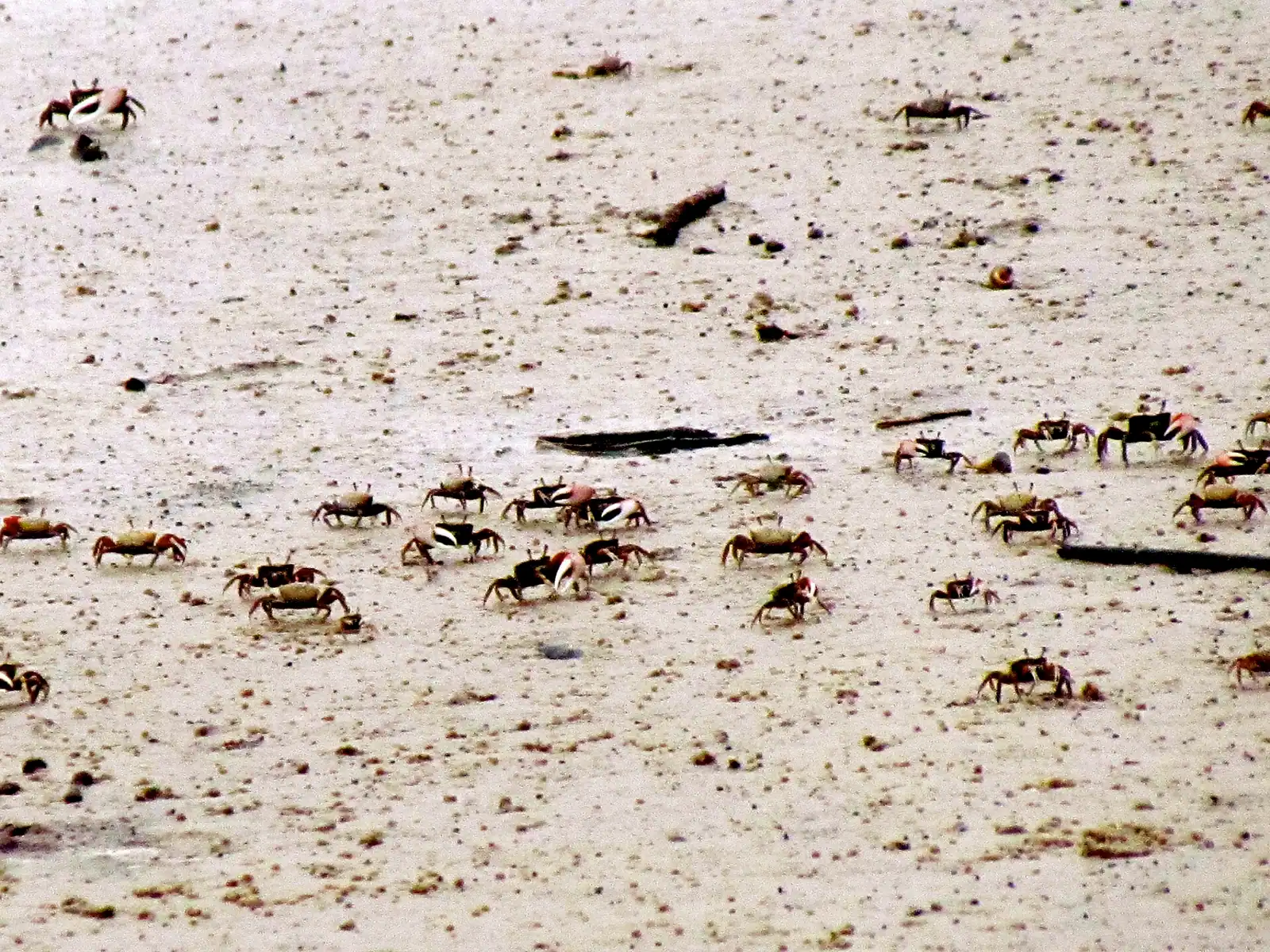
Bottlenose dolphins are resident in the Sound and are regularly visible from the shore. Shorebirds are abundant, particularly in autumn and winter. Horseshoe crabs come inshore to spawn around the spring tides of late spring; if you find one upside down, turning it over by the sides of its shell rather than the tail is the correct thing to do.
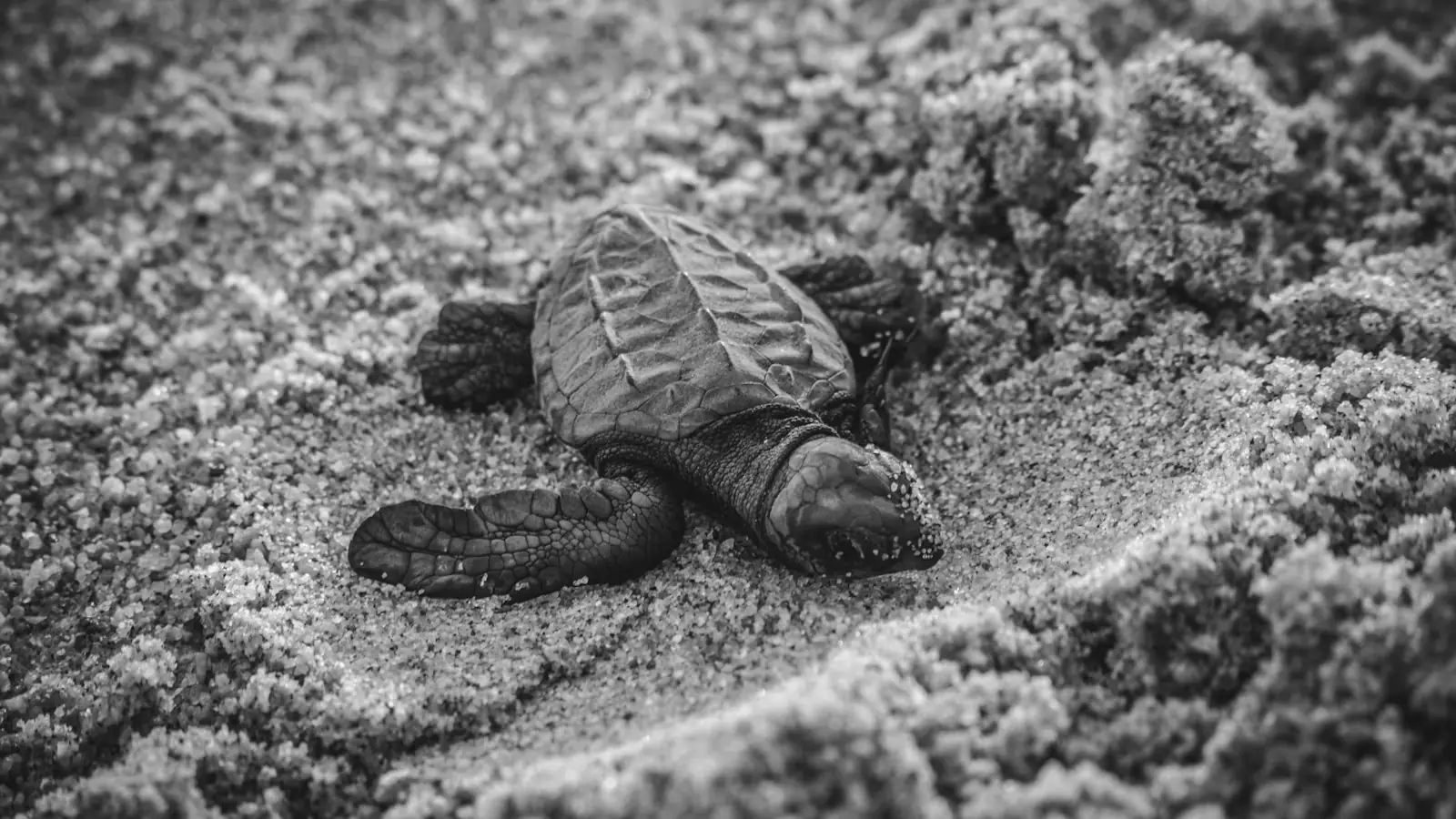
Town beach regulations apply here as everywhere on Hilton Head: no glass, no alcohol, no fires or fireworks, no shark fishing, holes no deeper than twelve inches and filled before you leave, nothing left overnight. Loggerheads nest island-wide from May into October under a lights-out ordinance that runs 1 May to 31 October.
Biting insects are worse on this marsh-backed shoreline than on the Atlantic beaches, particularly at dusk and in still weather. Bring repellent.
Operators run these trips past Mitchelville Beach, or stop there as part of a longer route. We list what the booking data supports — not everything that mentions the name.
These bookings run through Viator, who pay us a commission. Your price does not change, and neither does the order they appear in.

Involves Animals
- Experience dolphins up close and in their natural environment - Fun for Families & Educational - Comfortable and completely shaded boat…
1–2 hours
Prices checked

Low Supplier Cancellation Rate
Tucked between Hilton Head Island and Savannah, and accessible only by boat, Daufuskie Island is a real gem. This 4.5 hour Daufuskie…
4–5 hours
Prices checked

Involves Animals
Explore the salt marsh and take in views of the incredible Lowcountry sunset! On this 90-minute tour, learn about the salt marsh and try…
1–2 hours
Prices checked

Involves Animals
Embark on an unforgettable Sunset Dolphin Tour around Hilton Head Island, SC! Join our fun crew of knowledgable guides as we cruise the…
1–2 hours
Prices checked

Top Product
This is a Dynamite combo - Dolphin & Donuts! This 1.5 hour tour will depart from Palmetto Bay Marina. Our local guides will tell you all…
1–2 hours
Prices checked

Involves Animals
Skip the crowded tour boats and enjoy a private sunset dolphin cruise just for your group of up to 6 guests. Cruise Hilton Head’s calm…
2 hours
Prices checked
Straight-line distances, so allow more on the road — the island is long and has one main parkway.

Beach
North-end park on Port Royal Sound: marsh boardwalk, huge low-tide flats, the island's best shorebirds and almost no swimming.
1.5–3.5 hoursBeach and park access are free; the main lot is charged by the hour in season.0.2 mi away

Historic site
In 1862, formerly enslaved people founded a town here and governed it themselves. Free to enter, and the most important hour on the island.
1–2 hoursFree. Donations support preservation, interpretation and the ongoing archaeology.0.9 mi away

Historic site
A five-sided earth fort raised in 1864 by Black Union soldiers to protect the freedmen's town up the road. Free, and usually empty.
20–40 minutesFree. No ticket, no staff, no gate.1.8 mi away

Historic site
An 1862 gun battery on a bluff over Skull Creek, inside a gated community — you need a pass at the gate to see it.
25–45 minutesNo charge at the site itself; the obstacle is gate access, not a ticket.4.6 mi away
Where this place fits into a day, and the pages that plan one.

Guide hub
Hilton Head does not look like a beach town, and that is the first thing to plan around. The island's building and sign ordinances hold rooflines…

Guide hub
Twelve miles of Atlantic shoreline, all of it public. That is the first thing to understand about Hilton Head's beaches and the thing that surprises…

Budget
Hilton Head is an expensive place to stay and a surprisingly cheap place to spend a day, provided you understand one distinction that most lists…

Things to do
Hilton Head is a barrier island that was developed with an unusual instruction: keep the trees. The building-height and sign ordinances that stop…

Who it suits
Most visitors arrive on Hilton Head believing its history begins with golf. It begins with a shell ring in the Sea Pines Forest Preserve that Native…

Guide
Hilton Head has one of the most significant Gullah Geechee communities in the United States, and it is a living one. Where its history happened, who to learn it from, and how to be a decent guest.
10 min readRenée Osei

Guide
Every beach on Hilton Head is public. Parking is the part that is rationed. Here is what each town lot is like, when it fills, and the one that is free all year.
8 min readMarisa Delgado

Guide
Loggerhead sea turtles have been coming ashore here for far longer than the island has had visitors. What the season involves, what the rules ask of you, and what to do if you meet one.
8 min readTom Brantley
Mostly the name. Both refer to the same north-end shoreline on Port Royal Sound, reached through Fish Haul Beach Park on Mitchelville Road and from Historic Mitchelville Freedom Park nearby on Beach City Road. Local listings use the two names interchangeably, which is why navigation apps sometimes disagree. The practical difference is parking: free year-round at the Freedom Park, charged by the hour in season at the beach park.
It depends which entrance you use. Historic Mitchelville Freedom Park has free parking year-round, along with restrooms, trails and interpretive exhibits. Fish Haul Beach Park, a short distance away on the same shore, charges by the hour from 1 March to 7 September between 7am and 5pm, paid through the Town's app, though it also has a free overflow lot at Barker Field. Beach access itself is free at both.
Mitchelville was the first self-governed town of formerly enslaved people in the United States. It was established in 1862 on this ground after Union forces took Hilton Head Island, with elected officials of its own and a population that grew to roughly fifteen hundred. It is credited with requiring school attendance for its children years before South Carolina did, and it is one of a small group of South Carolina sites in the Reconstruction Era National Historic Network.
Often enough that people come specifically to look. The sound-side flats and the coarse shell gravel along the tide line are where they turn up, usually small and black rather than large. Go within two hours of low water and search the shell windrows rather than the clean sand. The same conditions produce whelks, arks, olives and horseshoe crab moults. Live shells, sand dollars and conchs must be left where they are.