Skip to content
Menu

We earn a commission if you book through this link. You pay the same price.

Things to Do

Nature and Wildlife on Hilton Head Island

Last updated

Where to find wildlife on Hilton Head Island: Pinckney Island, Sea Pines Forest Preserve, alligator rules, shore dolphins, sea turtles and shell rings.

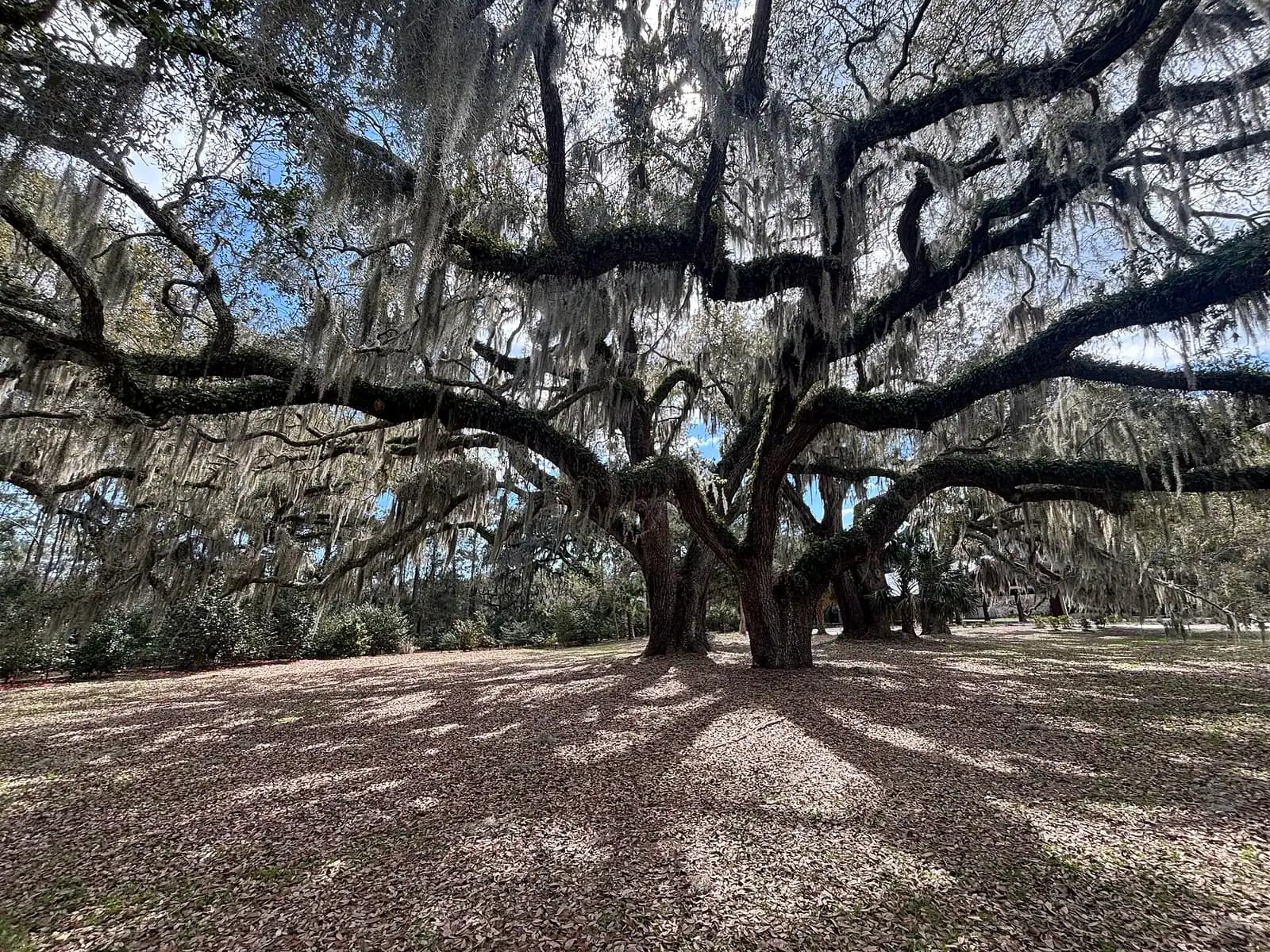
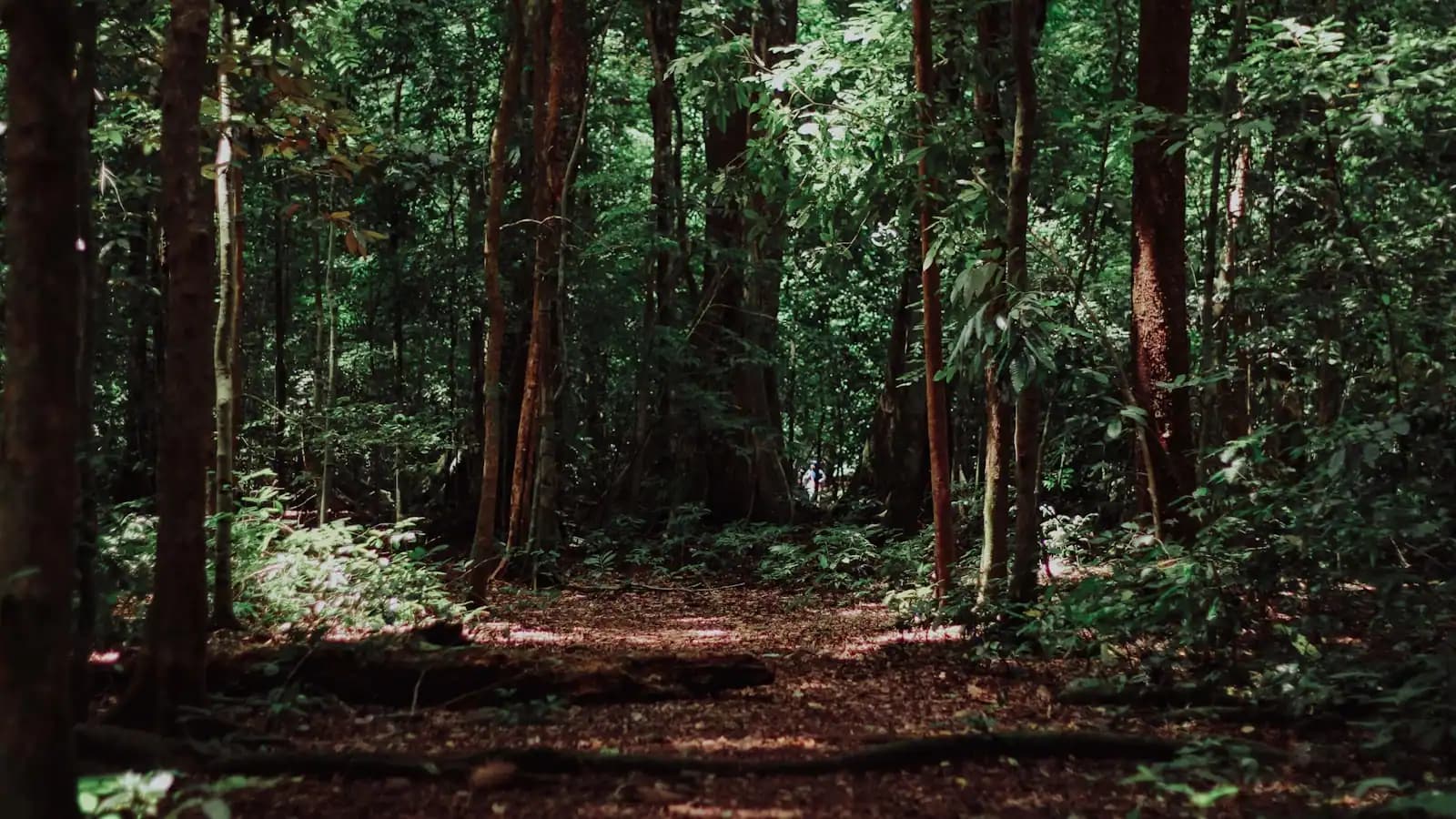
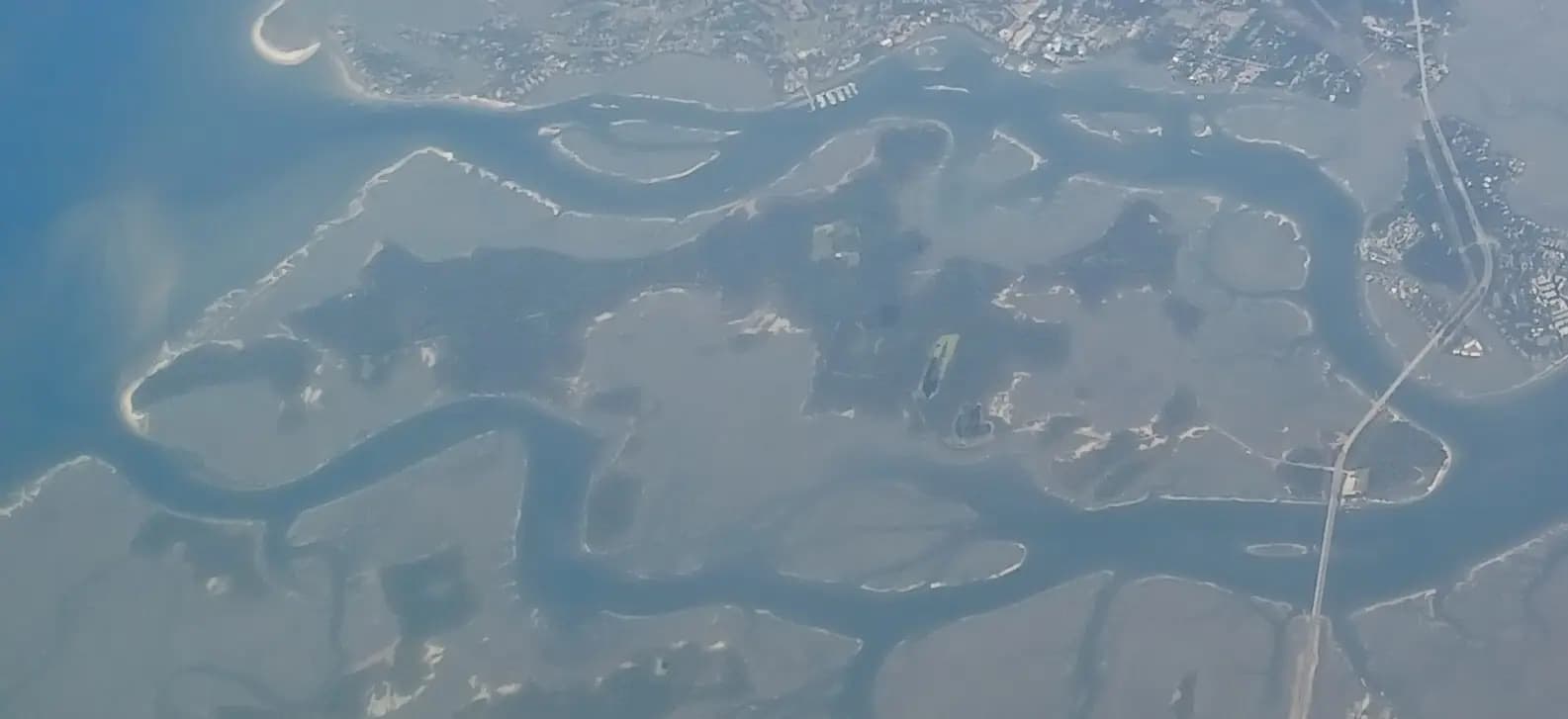
Hilton Head is a barrier island that was developed with an unusual instruction: keep the trees. The building-height and sign ordinances that stop the island looking like most American resorts also left a canopy of live oak, loblolly pine and palmetto over almost everything, and inside that canopy sit preserves, lagoons and marsh edges that hold far more wildlife than the golf-and-beach reputation suggests. You do not need a tour to find it. Most of the best wildlife watching here is free, on foot, and within 20 minutes of any rental on the island.

Start with the two big ones. Pinckney Island National Wildlife Refuge sits on the causeway before you even reach the island, 4,053 acres of maritime forest, salt marsh and freshwater ponds with flat gravel roads running through it, no entry fee and no facilities whatsoever. Sea Pines Forest Preserve covers 605 acres in the middle of the island's most developed community, with marked walking trails, a boardwalk, a wildflower meadow and a 4,000-year-old shell ring built by Late Archaic people. Between them you can see wading bird rookeries, alligators, deer, osprey and enough herons to stop counting.

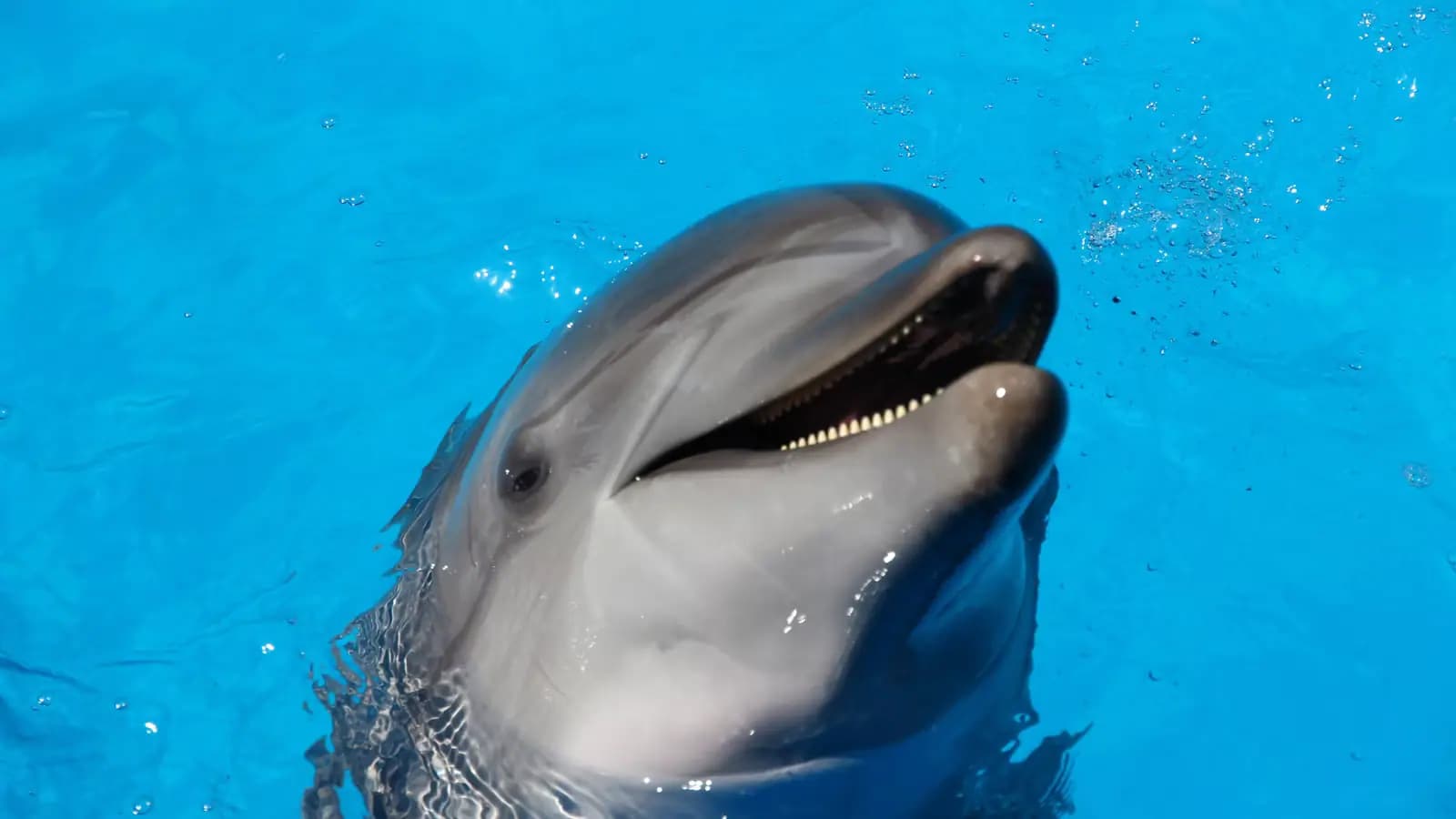
The water adds the rest. Atlantic bottlenose dolphins are resident year-round in Calibogue Sound, Broad Creek, Skull Creek and Port Royal Sound, not seasonal visitors, and they can be watched from land if you know where to stand. Loggerhead turtles nest on the beaches from May to October under a town lights-out ordinance and a volunteer patrol. Shorebirds pour through the north-end flats in autumn migration. Painted buntings, absurdly coloured and hard to believe the first time, breed here through the summer.

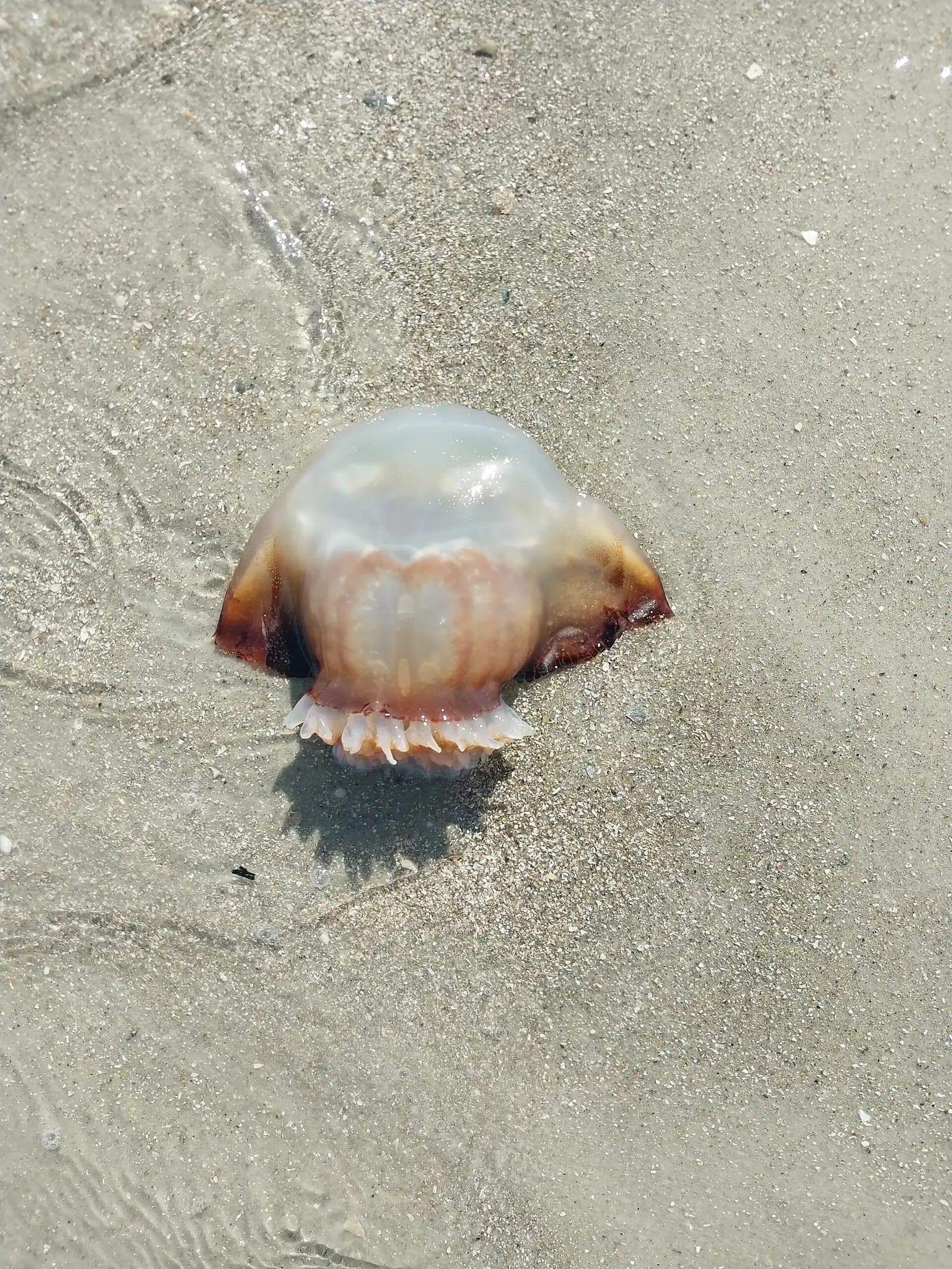
Two rules govern all of it and both are worth stating plainly. Do not feed alligators: it is a misdemeanour under South Carolina law, and an alligator that associates people with food is one that eventually has to be destroyed. And take nothing live from the beach, including live shells, sand dollars and conchs. Beyond that, the etiquette is the usual: stay on trails, keep distance, and let the animal decide how close the encounter gets.
Our picks

The ones we would book

  • Editor's Pick

    Best naturalist-led trip on the water

    Why we chose it

    The guided nature cruises worth paying for are the ones with a naturalist rather than a narrator, running small enough boats to get into the creeks at the top of the tide. Highest-rated operators here explain what the tide is doing and why the birds are where they are, which turns a pleasant hour into something you remember.

  • Best for Families

    Best wildlife trip with children aboard

    Why we chose it

    Look for trips under two hours with a dip net or a touch tank, because a nine-year-old who gets to hold a blue crab will stay engaged far longer than one who is told to look at a bird. Boats with long review histories tend to carry enough crew to manage children and still watch the water.

    Beautiful way to see the Lowcountry

    Excellent Quality

    2-Hour Hilton Head Guided Kayak Nature Tour (opens in a new tab)

    Best for FamiliesFree cancellationInstant confirmation
    1.7K reviews

    Paddle through Hilton Head Island’s breathtaking salt marshes on an exciting 2-hour guided kayak tour! Led by expert naturalist guides…

    2 hours

    Prices checked

    from $47
  • Small Group

    Best small-boat trip into the creeks

    Why we chose it

    Capped-capacity skiffs and kayak trips reach places the catamarans cannot: the narrow creeks off Broad Creek and the Pinckney shoreline at high water, where herons stand a paddle's length away. Fewer people also means less noise, which is the single biggest factor in what wildlife stays put while you approach.

    Hilton Head Shrimp Trawling Boat Cruise

    Private and Luxury

    Hilton Head Shrimp Trawling Boat Cruise (opens in a new tab)

    Small GroupFree cancellationInstant confirmation
    363 reviews

    Come join the crew aboard the Tammy Jane for a 2-hour educational and picturesque low-country experience as we take you out Shrimping! We…

    2 hours

    Prices checked

    from $45Usually $50
  • Best Value

    Cheapest guided introduction to the marsh

    Why we chose it

    The lowest-cost guided options here are shared kayak and nature cruises priced per person. They pair well with the free preserves: do Pinckney or the Forest Preserve on foot in the morning and take a guided trip in the afternoon, and you will have seen the estuary from both sides for very little.

    90 minute Hilton Head Sunset Dolphin Cruise

    Involves Animals

    90 minute Hilton Head Sunset Dolphin Cruise (opens in a new tab)

    Best ValueFree cancellationInstant confirmation
    274 reviews

    Explore the salt marsh and take in views of the incredible Lowcountry sunset! On this 90-minute tour, learn about the salt marsh and try…

    1–2 hours

    Prices checked

    from $55

Pinckney Island: the best free wildlife walk in the area

Pinckney Island National Wildlife Refuge occupies the causeway between Bluffton and Hilton Head, half a mile before the bridges, and most visitors drive past it for a week before someone tells them it is there. It covers 4,053 acres across Pinckney, Corn, Big and Little Harry and Buzzard islands, and is open daily from sunrise to sunset with no entry fee.

Understand what it is not before you go. There are no restrooms, no drinking water, no visitor centre and no staff on site. Dogs are prohibited on all refuge land. Beyond the small parking area everything moves on foot or by bicycle, and the surface is flat gravel and grass road, which makes a bike an excellent decision in summer heat.

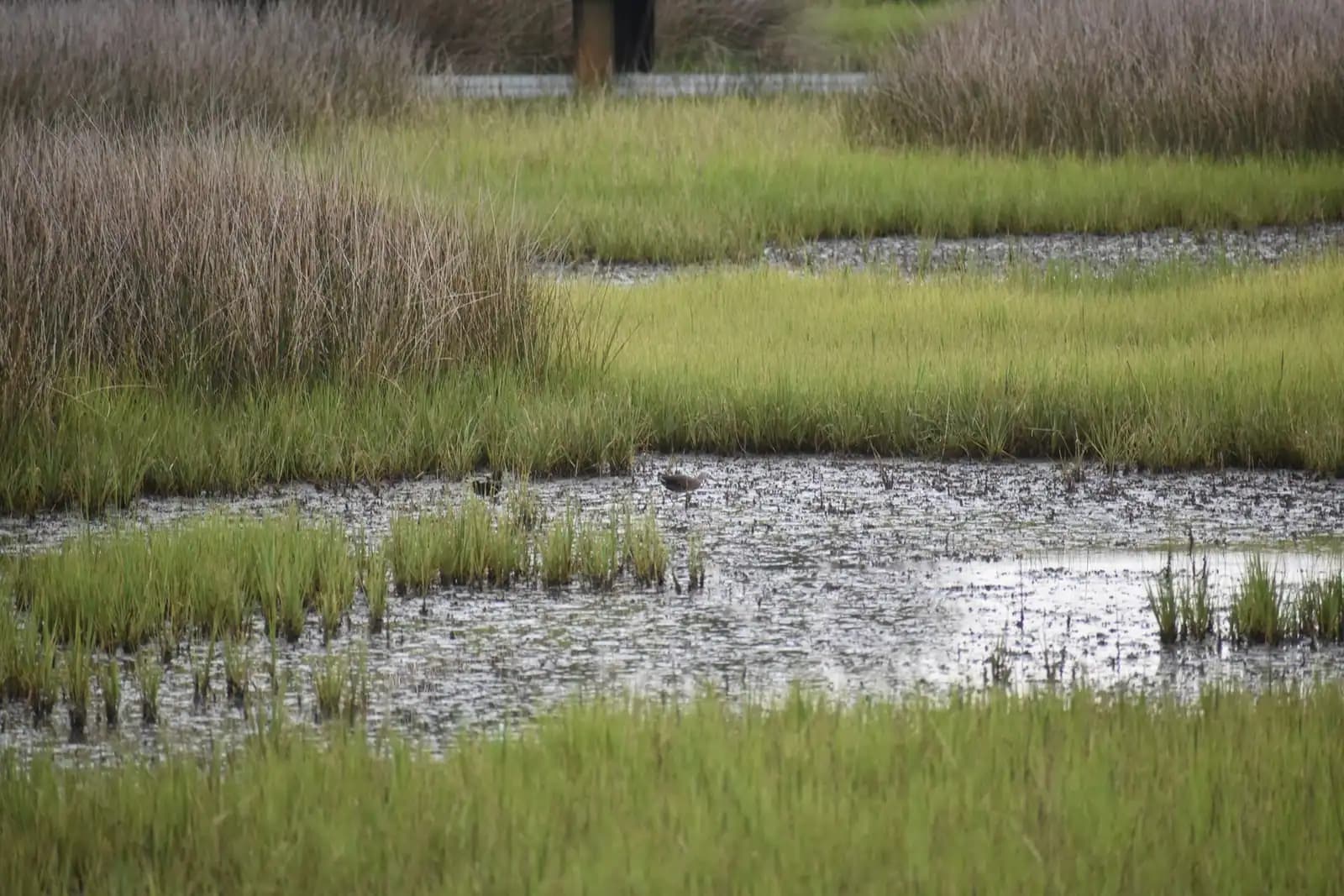
The destination for most people is Ibis Pond, roughly a mile in from the car park, about two miles round trip at a flat walking pace. In spring and early summer the pond becomes a colonial wading bird rookery: white ibis, snowy and great egrets, herons nesting in the low trees over the water, with alligators cruising below in a relationship that is more symbiotic than it looks. Go early, take water and take insect repellent. The longer loops out to Osprey Pond and Shell Point add miles without adding difficulty, and the marsh views at the far end are the best on this side of the island.

Sea Pines Forest Preserve and the shell ring

Six hundred and five acres of forest, freshwater lagoon and wildflower meadow sit inside Sea Pines, which is either a contradiction or the whole point of how this island was planned. The preserve has entrances off Lawton Drive and Greenwood Drive, is open sunrise to sunset, and is included once you are through the Sea Pines gate.

Two marked loops do most of the work: a shorter route of roughly a mile and a longer one of about two, signed with coloured arrows. They pass Lake Joe and Lake Mary, the Warner W. Plahs wildflower field, a boardwalk over the marsh, and Fish Island, where there is a covered pavilion with picnic tables.

The Shell Ring Trail from the Lawton entrance leads to the Sea Pines Shell Ring, a circular deposit of oyster shell roughly 4,000 years old, built by Late Archaic people who lived here long before any recorded history of the island. It is a low earthwork rather than a monument, and it takes a moment to read what you are looking at. Archaeologists still argue about whether rings like this were village middens, feasting sites or something ceremonial. Walk around it rather than on it.

Two rules catch people out: bicycles are not permitted on the preserve's walking trails, and swimming is not allowed in the lagoons. Both make more sense once you have seen the alligators.

Seeing dolphins without getting on a boat

Local tips

Bottlenose dolphins live here year-round, and while a cruise gets you closer, a patient hour on land is often enough. What matters is a moving tide: dolphins work the current where it pushes bait against a bank or through a narrow channel.

Good places to stand, roughly north to south:

  • Skull Creek and the Jenkins Island area, on the Intracoastal side near the bridges, where the channel narrows.
  • Fish Haul Creek Park at the north end, where the low-tide flats and the creek mouth concentrate fish.
  • Broad Creek, viewed from Shelter Cove Harbour or the bridges over the creek, particularly on an ebb tide.
  • Harbour Town's seawall and the Calibogue Sound shoreline in Sea Pines, which is the most reliable land-based dolphin watching on the island and comes with a lighthouse.
  • The beach itself, especially early morning in summer, when dolphins work the surf line within casting distance of the sand.

Strand feeding, where dolphins drive fish onto a mud bank and lunge half out of the water to take them, is a genuine behaviour of this region rather than a marketing line. It is more reliably seen around Port Royal Sound and the Bluffton side of the May River than in Broad Creek, and it happens near low tide. Watch from a distance and never approach a bank where it is happening; a disturbed feeding run can strand an animal for real.

Birding by season

When to go

This stretch of the South Carolina coast sits on the Atlantic Flyway, and what you see changes sharply through the year.

Spring, March to May. The wading bird rookery at Ibis Pond on Pinckney fills with nesting ibis, egrets and herons. Ospreys are on the channel markers in Broad Creek with fish in their talons. Painted buntings return, and the males are the single most improbable bird in the Lowcountry.

Summer, June to August. Wood storks work the shallow ponds, painted buntings are still singing into July, and the marsh is full of clapper rails you will hear long before you see. Go at first light; by ten it is hot and the birds have sensibly stopped.

Autumn, late August to October. Shorebird migration. The low-tide flats at Fish Haul Creek Park and the north-end beaches hold plovers, sandpipers, willets, whimbrel and terns in numbers. This is the best birding of the year here and almost nobody is out doing it.

Winter, November to February. Waterfowl on the ponds, loons and gannets offshore, raptors over the marsh, and the mosquitoes are gone. Cool, quiet and underrated.

Audubon Newhall Preserve on Palmetto Bay Road, a compact free preserve with native plant trails, runs seasonal guided walks and is a good place to learn what you are hearing. Jarvis Creek Park and Whooping Crane Pond Conservancy in Hilton Head Plantation add easy, close-to-town options.

Shell rings and what they actually are

Two prehistoric shell rings survive on Hilton Head, and they are among the oldest built structures on the American coast. The Sea Pines Shell Ring sits in the Forest Preserve, reached from the Lawton entrance, and dates to roughly 4,000 years ago. Green's Shell Enclosure Heritage Preserve, a small state-protected site within Hilton Head Plantation, is a later earthwork and enclosure.

What you see is a low circular bank of oyster shell, soil and occupation debris, often overgrown and easy to walk past. What it means is still debated. The rings were built by Late Archaic people over generations, and interpretations range from the accumulated refuse of a ring-shaped village to deliberate construction for feasting or ceremony. Both may be true of different rings.

They are protected archaeological sites. Do not dig, do not remove shell, do not climb the bank. Interpretive signage at both sites explains more than a guidebook can.

The island's human story continues well past the rings, and the Coastal Discovery Museum at Honey Horn is the place to pick it up. Its 68-acre property has marsh boardwalks, a live oak allée and a seasonal butterfly enclosure, with free access to the grounds and donations encouraged. It is also the best single introduction to why this landscape looks the way it does.

Book it

Everything else we track

We could not find tours matching this right now

Nothing came back for nature cruise. Operators add and retire experiences constantly, so this list changes week to week. Try a broader category, or come back in a day or two.

Alligators: where they are and the one rule that matters

Before you book

Assume every freshwater lagoon on Hilton Head has alligators in it, because nearly every one does. They are in golf course ponds, in community lagoons behind rental houses, in the preserves, and occasionally sunning on a bank three feet from a pathway. Adults are common, and animals over ten feet are not unusual here.

They are also, in normal circumstances, entirely uninterested in you. The rules are simple:

  • Never feed an alligator. It is unlawful in South Carolina to feed or entice one with food, a misdemeanour with a fine and the possibility of jail. More importantly, a fed alligator loses its fear of people and becomes the alligator that gets removed and killed.
  • Keep 60 feet away. More if it is on a bank with an easy line to the water.
  • Keep children and dogs away from lagoon edges. Dogs at the water's edge look exactly like prey, and this is the most common way visitors get into trouble.
  • Do not swim in fresh water. Lagoons, lakes and preserve ponds are not swimming water anywhere on this island.
  • Do not throw things at one to make it move. Harassing an alligator is also illegal.

If an alligator is in a road, a pool enclosure or somewhere it should not be, call the property management or the town rather than handling it. Alligators cross between lagoons more often in spring during breeding season, which is when you are most likely to meet one walking across a fairway or a cart path.

Loggerhead season, May to October

Before you book

The same dolphins share the water with loggerhead sea turtles, which nest on Hilton Head's beaches between May and October. Females haul out at night, dig above the high-water line and return to the sea; roughly two months later the hatchlings emerge after dark and run toward the brightest horizon, which should be the ocean.

The island takes this seriously. A lights-out ordinance applies through the season to lights visible from the beach, volunteer patrols walk the shoreline at dawn to find and mark new nests, and marked nests are staked and taped. Do not touch, dig near or shine lights on them.

Three visitor habits do more damage than anything else: holes left in the sand, sandcastles left standing, and beach gear left out overnight. All three are obstacles to a 200-pound female looking for a nesting spot, and lethal traps for hatchlings the size of a bar of soap. Fill the hole, flatten the castle, take the chairs home.

If you want to see it properly, the Coastal Discovery Museum and the island's turtle patrol run seasonal talks and walks that explain the programme. Do not go looking for nesting turtles with a torch. The best you will achieve is scaring a female back into the water before she lays.

On the ground

Where to go

Every place below has its own page — hours, parking, what it costs and what to expect when you get there.

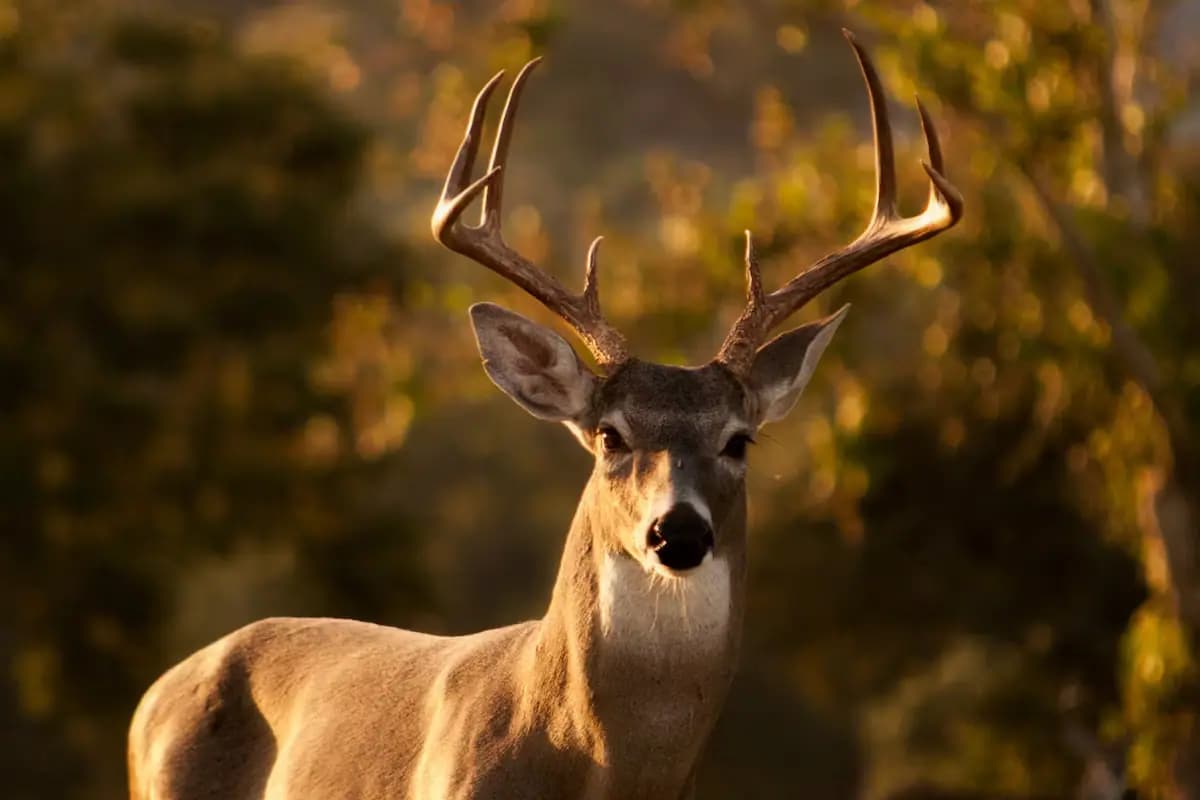
  • A white-tailed buck standing among trees in low golden light

    Nature preserve

    Sea Pines Forest Preserve

    Free

    Six hundred and five acres of trails, lagoons and a 4,000-year-old shell ring — free to walk, once you have paid the Sea Pines gate.

    1–3 hoursFree to enter — but non-residents pay the Sea Pines daily gate pass to drive in

  • A raised timber boardwalk running through dense green woodland

    Museum

    Coastal Discovery Museum at Honey Horn

    Free

    Sixty-eight acres of marsh boardwalk, live oak allee and camellia garden, free to walk, with the island's best interpretation indoors.

    1–2.5 hoursFree entry to the museum and the 68-acre grounds. Donations encouraged.

  • Low evening sun across a wide expanse of tall golden marsh grass

    Wildlife

    Pinckney Island National Wildlife Refuge

    Free

    Four thousand free acres on the causeway, wading birds by the hundred at Ibis Pond, and not a restroom or water tap anywhere.

    1–4 hoursFree — no entry fee and no parking charge

  • Palm trees silhouetted against a pink and violet sunset above calm water

    Water feature

    Palmetto Dunes Lagoon System

    Eleven miles of interconnected flat water that never goes out with the tide — the island's most forgiving place to learn to paddle.

    1–3 hoursNo charge to enter for the outfitter; kayak and canoe rental is paid by the hour

  • A muddy tidal creek winding through low marsh grass on a grey, misty morning

    Water feature

    Broad Creek

    Free

    The tidal creek that nearly cuts Hilton Head in two, and the launch point for most of the island's dolphin, kayak and jet-ski trips.

    0.5–3 hoursFree to look at and free to reach from Shelter Cove Community Park, Shelter Cove Harbour and Broad Creek Marina.

  • Raised timber boardwalk on pilings crossing tall dune grass towards a beach

    Beach

    Driessen Beach Park

    Free

    A shaded playground, grills, picnic shelters and a long marsh boardwalk to the sand. The family default on Hilton Head.

    2.5–7 hoursBeach access is free; parking is charged by the hour in season.

  • Low evening sun across a wide expanse of tall golden marsh grass

    Water feature

    Skull Creek

    Free

    The sheltered Intracoastal side of the island, marsh-lined and facing west, with the calmest paddling and the easiest free sunset.

    1–2.5 hoursFree. Squire Pope Community Park has free parking, a public pier and restrooms.

  • A broad wet tidal flat exposed at low tide with gulls on the sand and a distant line of surf

    Beach

    Fish Haul Creek Park

    Free

    North-end park on Port Royal Sound: marsh boardwalk, huge low-tide flats, the island's best shorebirds and almost no swimming.

    1.5–3.5 hoursBeach and park access are free; the main lot is charged by the hour in season.

  • Tall pine trunks with sunlight falling across a needle-covered forest floor

    Neighbourhood

    Sea Pines Resort

    Five thousand acres behind a gate: the pass costs one thing and nearly everything good inside costs another. How it works.

    3–8 hoursDaily gate pass charged per two-axle vehicle; activities inside cost extra.

  • A wooden dock reaching out over a calm lake backed by a low tree line

    Park

    Jarvis Creek Park

    Free

    A paved mile around an 11-acre lake, a free fishing dock and no parking meter in sight — the island's most useful ordinary park.

    1–2 hoursFree, with free parking

  • Pale early light across a wide, empty beach and shallow water

    Water feature

    Port Royal Sound

    Free

    One of the deepest natural sounds on the East Coast, off the island's north end, where strand feeding and big inshore fish are real.

    1–4 hoursFree to look at from the island's north-end parks and beaches. No charge for the water itself.

  • A narrow sunlit path winding between tall straight trees in dense woodland

    Nature preserve

    Audubon Newhall Preserve

    Free

    Fifty free acres of labelled Lowcountry plants and a mile of easy trail, run by volunteers on a road most people drive straight past.

    0.5–1.5 hoursFree — owned and maintained by the Hilton Head Island Audubon Society

  • Tall pine trunks and a floor of fallen needles in filtered light

    Historic site

    Fort Howell

    Free

    A five-sided earth fort raised in 1864 by Black Union soldiers to protect the freedmen's town up the road. Free, and usually empty.

    20–40 minutesFree. No ticket, no staff, no gate.

  • Clear shallow water lying in ripple-marked sand on a beach exposed at low tide

    Beach

    Alder Lane Beach Access

    Free

    Twenty-two parking spaces, a four-hundred-foot path and the warm shallow runnels that make it a south-end favourite with small children.

    2–5 hoursBeach access is free; the 22-space lot is charged by the hour in season.

  • Tall pines with sunlight reaching a floor of fallen needles

    Entertainment

    Lawton Stables

    Guided trail rides through 605 acres of forest preserve, plus an animal farm that costs nothing to wander round.

    0.5–2 hoursTrail rides around $80 per person; pony rides a small per-ride charge; the animal farm is free.

  • A dense scatter of whelk, scallop and clam shells collected on pale sand

    Beach

    Mitchelville Beach

    Free

    North-end sand on Port Royal Sound, thick with shells and driftwood, behind the first self-governed town of freed people in America.

    1.5–4 hoursFree. Parking is free at Historic Mitchelville Freedom Park and paid seasonally at Fish Haul Beach Park.

  • Green woodland with light falling between close-standing trees

    Historic site

    Stoney-Baynard Ruins

    Free

    Oyster-shell concrete walls of a cotton planter's house, with the foundations of the quarters that made it possible a few steps away.

    20–45 minutesFree at the site. You still pay the Sea Pines gate pass, charged per vehicle, to enter the community.

  • A raised wooden boardwalk with handrails running through dense green forest

    Nature preserve

    Whooping Crane Pond Conservancy

    Free

    A 1,100-foot boardwalk over black gum swamp — remarkable, and behind a gate that turns most visitors away.

    0.5–1.5 hoursNo charge — but access is restricted to Hilton Head Plantation residents and their guests

  • A timber dock reaching out over still water backed by a dark treeline

    Historic site

    Fort Mitchel

    Free

    An 1862 gun battery on a bluff over Skull Creek, inside a gated community — you need a pass at the gate to see it.

    25–45 minutesNo charge at the site itself; the obstacle is gate access, not a ticket.

  • Children running and playing in an open green field bordered by trees

    Park

    Crossings Park

    Free

    Seventy-four wooded acres off Arrow Road where the island's kids actually play ball — and where the trails are empty on a Tuesday.

    1–2 hoursFree, with free parking

  • Dense green woodland with light coming through the upper canopy

    Historic site

    Green's Shell Enclosure Heritage Preserve

    Free

    A shell embankment thrown up around a fortified village six centuries ago, three acres off Squire Pope Road. Nearly always empty.

    20–45 minutesFree. A state heritage preserve with no ticketing and no staff on site.

Straight answers

Questions people actually ask

Where can you see alligators on Hilton Head?

Almost any freshwater lagoon, which on this island means golf course ponds, community lagoons and preserve waters. Reliable spots include the lakes in Sea Pines Forest Preserve, the ponds at Pinckney Island National Wildlife Refuge and the lake at Jarvis Creek Park. Stay at least 60 feet back, keep children and dogs away from the water's edge, and never feed one: feeding an alligator is a misdemeanour under South Carolina law.

Can you see dolphins from shore on Hilton Head?

Regularly. Bottlenose dolphins are resident year-round rather than seasonal. The most dependable land-based watching is along the Calibogue Sound shoreline and the Harbour Town seawall in Sea Pines, the Skull Creek side near Jenkins Island, Fish Haul Creek Park at the north end, and the bridges over Broad Creek. Go when the tide is moving rather than at slack water, and give it a patient half hour.

Is Pinckney Island National Wildlife Refuge free?

Yes, free and open daily from sunrise to sunset. It is also unstaffed with no restrooms, drinking water or shelter, so bring what you need. Dogs are not permitted anywhere on refuge land. Beyond the parking area you travel on foot or by bicycle on flat gravel roads. Ibis Pond, the wading bird rookery, is roughly a mile in, about two miles round trip.

When is the best time to see the bird rookery at Ibis Pond?

Spring into early summer, when white ibis, egrets and herons nest in the low trees over the water. Arrive early in the morning for light and activity, and expect alligators in the pond below the nests. Autumn is a different show: from late August into October the low-tide flats at the north end of Hilton Head fill with migrating shorebirds, which is arguably the island's best birding.

Do you need a guide to see wildlife on Hilton Head?

No. The best wildlife watching here is free and self-guided: Pinckney Island, Sea Pines Forest Preserve, Audubon Newhall Preserve, Jarvis Creek Park and the north-end beach flats. A guided kayak or naturalist cruise adds access to creeks you cannot reach on foot and someone who can read the tide, which is worth doing once. Do both if you have a week.

Are there snakes and insects to worry about?

There are snakes, including cottonmouths near fresh water and the occasional rattlesnake, but bites are rare and avoided by staying on trails and watching where you put your hands and feet. The bigger nuisance is insects. Mosquitoes and biting midges, the local no-see-ums, come out at dawn and dusk from spring through autumn, and ticks and chiggers live in the long grass. Repellent is not optional in the preserves.

Can you take shells home from Hilton Head?

Empty shells yes, live ones no. South Carolina prohibits taking live shells, and that includes live sand dollars, conchs and whelks: if it is moving, has an animal inside or is buried in the wet sand at the tide line, put it back. The north end around Fish Haul Creek Park and Mitchelville has the best shelling on the island, and low tide is the time to walk it.

What are the shell rings on Hilton Head?

Circular banks of oyster shell and occupation debris built by Late Archaic people, with the Sea Pines Shell Ring in the Forest Preserve dating to roughly 4,000 years ago and Green's Shell Enclosure representing a later period. Archaeologists still debate whether they were village middens, feasting sites or ceremonial constructions. Both are protected sites: walk around them, read the signage, and do not dig or climb.