Three days on Hilton Head goes well or badly depending on one decision: whether you plan around the clock or around the water. The island has a tidal range of roughly six to nine feet. At low tide the beach is a wide, firm, ridable plain and the mudbanks in Broad Creek come up black with oysters. At high tide the same beach is a strip, and the kayak launches that were unreachable two hours earlier are the best paddling on the island. Look up the tide table for your dates before you book anything, then slot the blocks below around it.
This itinerary assumes you are based mid-island or on the south end, which is where most short-stay visitors land. Drive times are given for shoulder season; add a third in July and August, and add more on a Saturday, when weekly rentals turn over and US-278 seizes up at the bridges.
Day one: the south end and Sea Pines
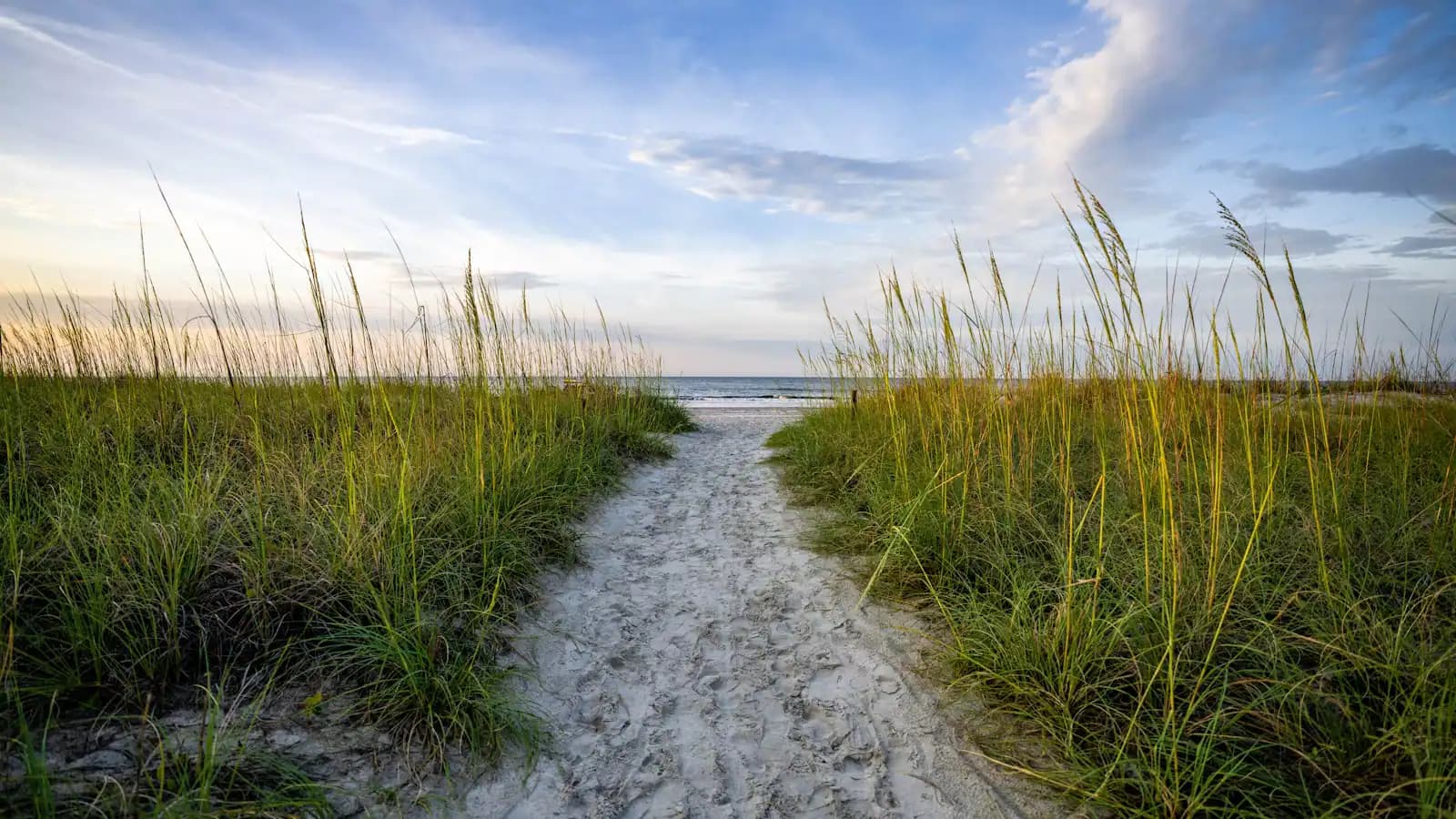
8.00am. Coffee and the beach at Coligny Beach Park. Parking here is free year-round, which is not true of the other town lots, and the near-400 spaces are empty at this hour. If the tide is out, walk south toward Sea Pines along the hard sand.
9.30am. Ride or drive into Sea Pines. Day visitors pay a vehicle pass at the Greenwood or Ocean Gate, published at $10 for a standard car; note that the community's visitor policy does not allow day visitors to enter by bicycle unless they are staying inside. Once through, the 605-acre Forest Preserve is ten minutes away. Walk the boardwalk loop and look for alligators hauled out on the lagoon banks and for the Fish Island shell ring, a Native American midden roughly four thousand years old.
Raining? Drive to the Coastal Discovery Museum at Honey Horn instead, about fifteen minutes from the Sea Pines gate. The grounds are free with donations encouraged and the indoor galleries are small but properly curated.
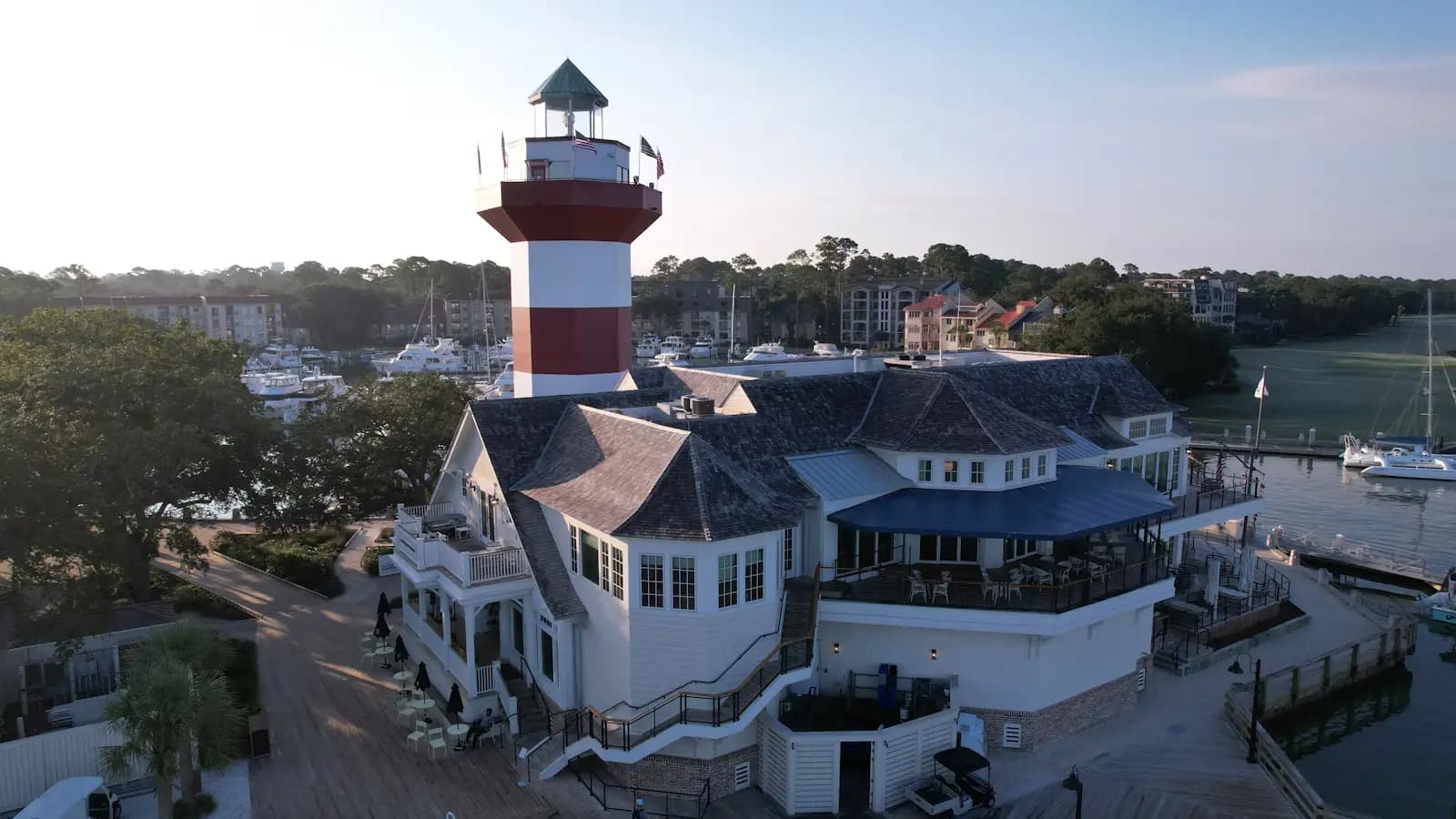
12.30pm. Lunch at Harbour Town, at the bottom of Sea Pines on Calibogue Sound. Climb the 114 steps of the lighthouse if the queue is short; the view puts the whole geography of the island into place, with Daufuskie across the sound.
3.00pm. Back to the beach for the flat part of the afternoon, or to the Stoney-Baynard Ruins, the tabby remains of an antebellum house inside Sea Pines, which take twenty minutes and are free.
6.30pm. Dinner on the south end. If the sun sets late, take an hour beforehand at the water: sunset moves about three hours across the year here, from near 8.30pm in late June to around 5.20pm in December.
Raining? The island has a working arts centre and a small children's museum near Coligny, and the shops at Coligny Plaza are a covered afternoon.
Day two: the water day
Book this day first, then build the rest around it. Morning departures are the reliable ones. Water is flattest before the sea breeze fills in, and from late June into August thunderstorms build over the mainland through the afternoon and cancel trips at short notice.
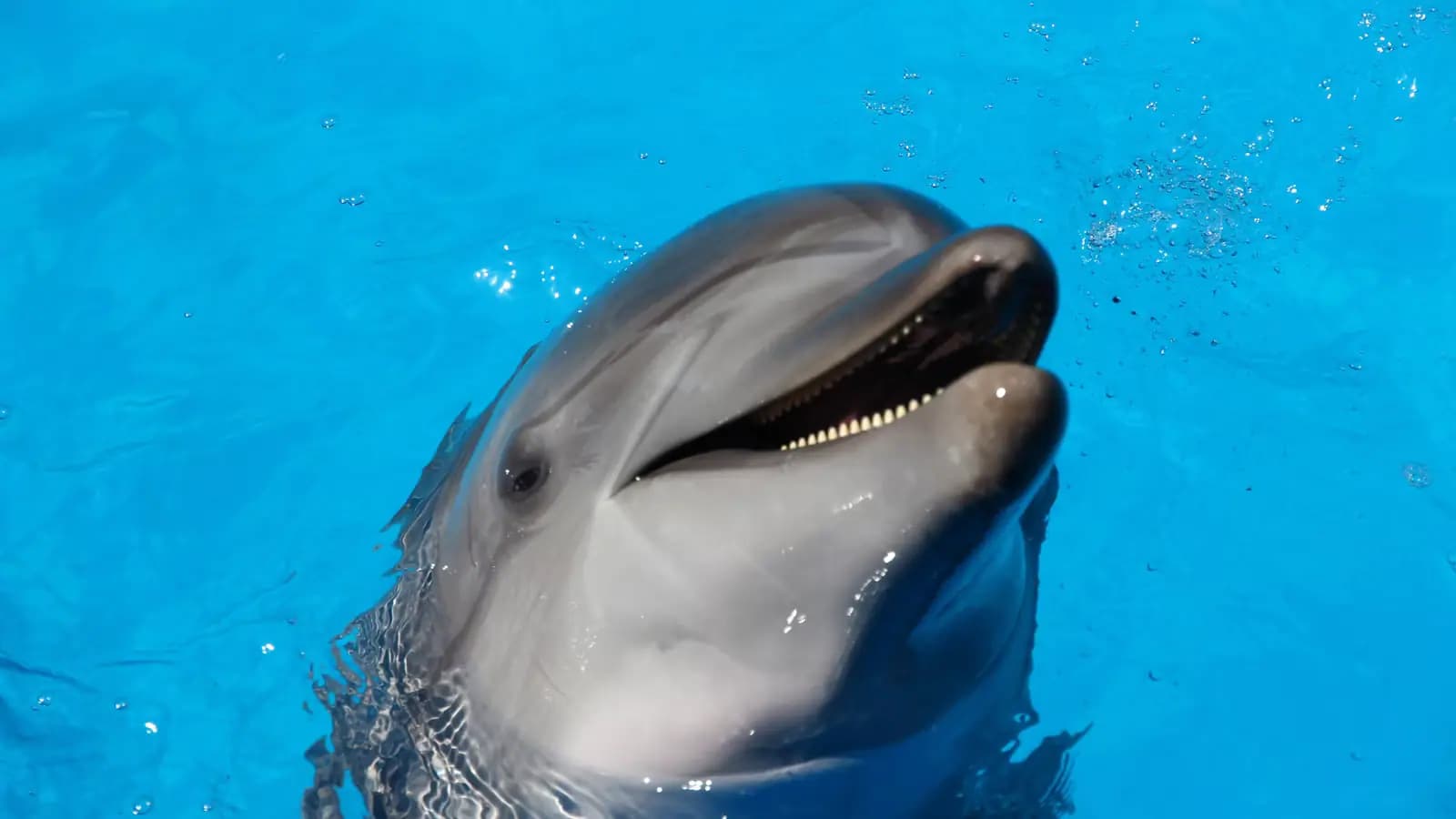
9.00am. A dolphin cruise out of Shelter Cove Harbour on Broad Creek, or a kayak trip into the Palmetto Dunes lagoon system or up Broad Creek. Kayaking is the one activity where you want a rising or high tide; guides schedule it that way, so take the time they offer rather than the time you prefer. Bottlenose dolphins are resident in these waters year-round rather than migratory, and a boat out of Shelter Cove is often among them within ten minutes.
11.30am. Lunch at Shelter Cove, then the harbour itself. In summer the Tuesday-night fireworks and HarbourFest run here from early June into mid-August, with a July 4 show, which is worth building an evening around if your dates line up.
2.00pm. Beach time at Driessen or Folly Field, both a few minutes north. Driessen has the long boardwalk and a playground; Folly Field's lot is small, with around 54 spaces, and fills by mid-morning in season. Both charge $3 an hour on weekdays and $5 at weekends between 1 March and 7 September, paid by phone app rather than a meter.
Raining? Shelter Cove Towne Centre is across the road, and the island's cinema, bookshop and full-size supermarkets are all within five minutes.
Evening. A sunset cruise on Calibogue Sound if the sky is clear. Check the departure time against the actual sunset; a sunset cruise in October boards in broad daylight.
Day three: the north end
8.30am at low tide. Fish Haul Creek Park on the north end. The low-water flats here are shell-rich and quiet, the birding is better than anywhere else on the island's shore, and the crowds simply are not present. Live shells, including sand dollars and conch, must be left where they are.
10.30am. Historic Mitchelville Freedom Park, next door on Beach City Road. In 1862 the Union general Ormsby Mitchel set aside land here for people who had freed themselves from slavery, and what grew was the first self-governed town of formerly enslaved people in the United States, with an elected mayor, a council, and a compulsory education law covering every child from six to fifteen, the first in South Carolina. Give it an hour and read the panels properly.
12.30pm. Cross back onto the causeway to Pinckney Island National Wildlife Refuge. It is free, has about 4,000 acres of maritime forest and salt marsh, and no facilities at all, so bring water. Ibis Pond is a fifteen-minute flat walk from the car park and in spring it is thick with nesting wading birds.
Raining? Bluffton's old town is twenty minutes further on, and its galleries and the bluff over the May River make a decent wet afternoon.
3.00pm. Head back for a last swim, or start the drive to Savannah if you are flying out of SAV.
Honest drive times on the island
| Route | Shoulder season | July and August |
|---|---|---|
| Coligny Circle to Harbour Town (inside Sea Pines) | 15 min | 25–35 min |
| Coligny to Shelter Cove Harbour | 10 min | 15–20 min |
| Shelter Cove to Fish Haul Creek Park | 15 min | 20–25 min |
| Sea Pines Circle to the bridges on US-278 | 15 min | 30 min-plus on a Saturday |
| Island to Bluffton old town | 20 min | 30 min |
| Island to Savannah/Hilton Head International (SAV) | 45–55 min | an hour or more |
Use the Cross Island Parkway rather than William Hilton Parkway for any cross-island move in summer. It has been toll-free since 2021 and skips a long string of traffic lights.
How to slot the tide into these three days
Two low tides and two high tides arrive roughly every 24 hours and 50 minutes, so the useful windows shift about an hour later each day. That single fact reshuffles an itinerary quickly.
Put on the low tide: beach walking and riding, shelling at Fish Haul Creek, the wide sand at Driessen and Coligny, and any plan that involves a toddler and a tidal pool. The sand is firm enough for a stroller within an hour either side of low water.
Put on the high or rising tide: kayaking in the Palmetto Dunes lagoons and up Broad Creek, paddleboarding, and launching a small boat. At dead low water the shallower creeks close to anything with a propeller, and guides will not take you there.
Dolphin cruises run at any stage of the tide, but captains follow moving water, because a falling tide flushes bait out of the spartina grass and the dolphins follow it. If an operator offers you a time that seems odd, that is usually why.
Last updated
Opening hours, ordinances and prices move with the season. We re-check this guide rather than rewrite it, and the date above is the last time someone did. How we research and correct.