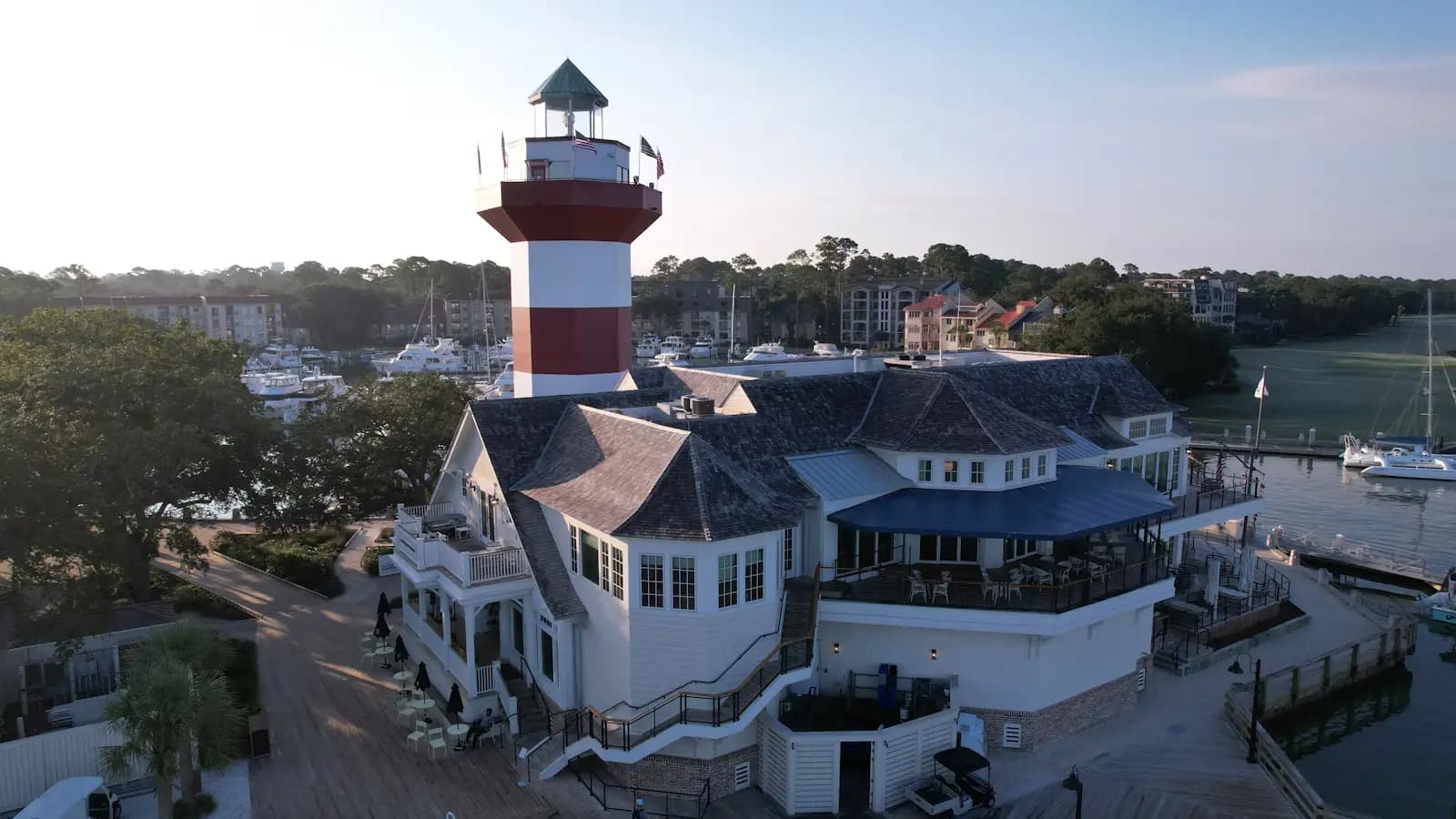
Hilton Head is one of the few American resort destinations where a bicycle genuinely replaces the car. The town maintains more than 60 miles of public pathways, paved, mostly separated from traffic and signed at kiosks with island-wide maps. Add the private networks inside Sea Pines, Palmetto Dunes, Shipyard, Port Royal and Hilton Head Plantation and the total runs past 100 miles. The island is flat enough that a seven-year-old can manage it and compact enough that most errands are under three miles. Families staying mid-island routinely reach the beach, a grocery store, a marina and an ice cream counter without unlocking the car once.
The rental model here is different too. Almost nobody drives to a bike shop. Companies deliver to your villa or rental house, usually on arrival day, and collect at the end of the week. Bikes arrive with a basket and a lock, helmets on request, and the rate structure rewards the full week: a seven-day cruiser rental often costs only a little more than three days, which is why day rates feel disproportionate. Book ahead for June through early August and for Heritage week in April, when the island's fleet is genuinely stretched.
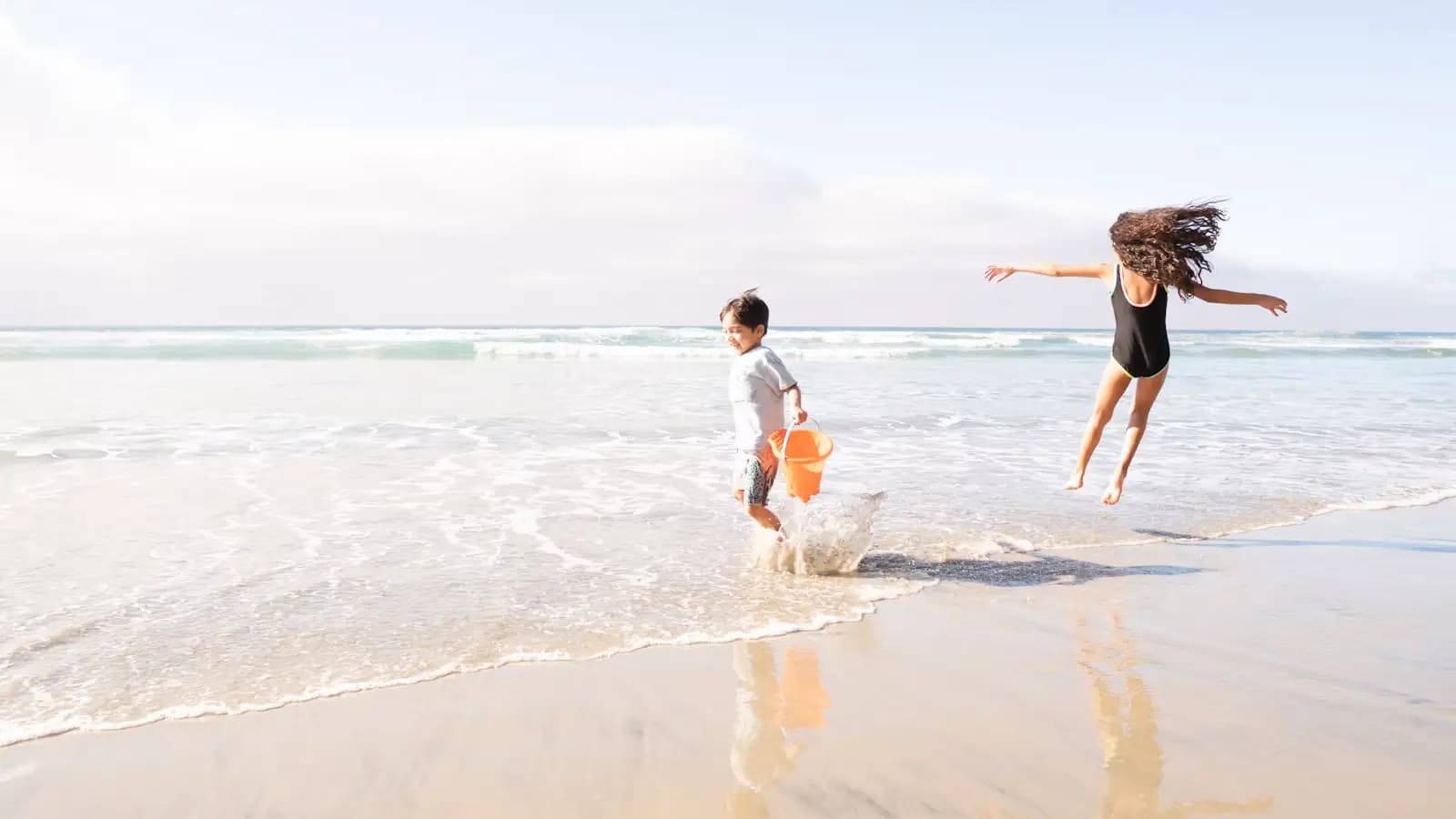
Then there is the beach. For roughly two hours either side of low water the Atlantic uncovers a band of sand firm enough to ride, running most of the island's 12 miles of shoreline. Locals ride it. Visitors who try it once understand why bikes outnumber cars on some mornings at Coligny. The band is firm sand, not the dry powder higher up, so you want to be below the last high-tide line and off the dune face entirely. Tides run large here by East Coast standards, and low tide shifts roughly 50 minutes later each day, so the window that worked on Tuesday will be lunchtime by Friday. Check a tide chart before you plan the ride, not after.
A few honest limits. Salt and sand are hard on drivetrains, so rinse the chain if you have ridden the beach. Bicycles are not allowed on the walking trails inside the Sea Pines Forest Preserve, though the paved roads through Sea Pines are fine. Alligators live in the lagoons that sit right beside several pathways, so keep children on the paved surface and away from the water's edge. And the pathway network crosses US-278 and Pope Avenue in places where traffic is fast: use the marked crossings and the underpasses rather than improvising. One quirk in your favour: Sea Pines charges its daily pass per vehicle, so arriving on a bike normally sidesteps the gate fee altogether.