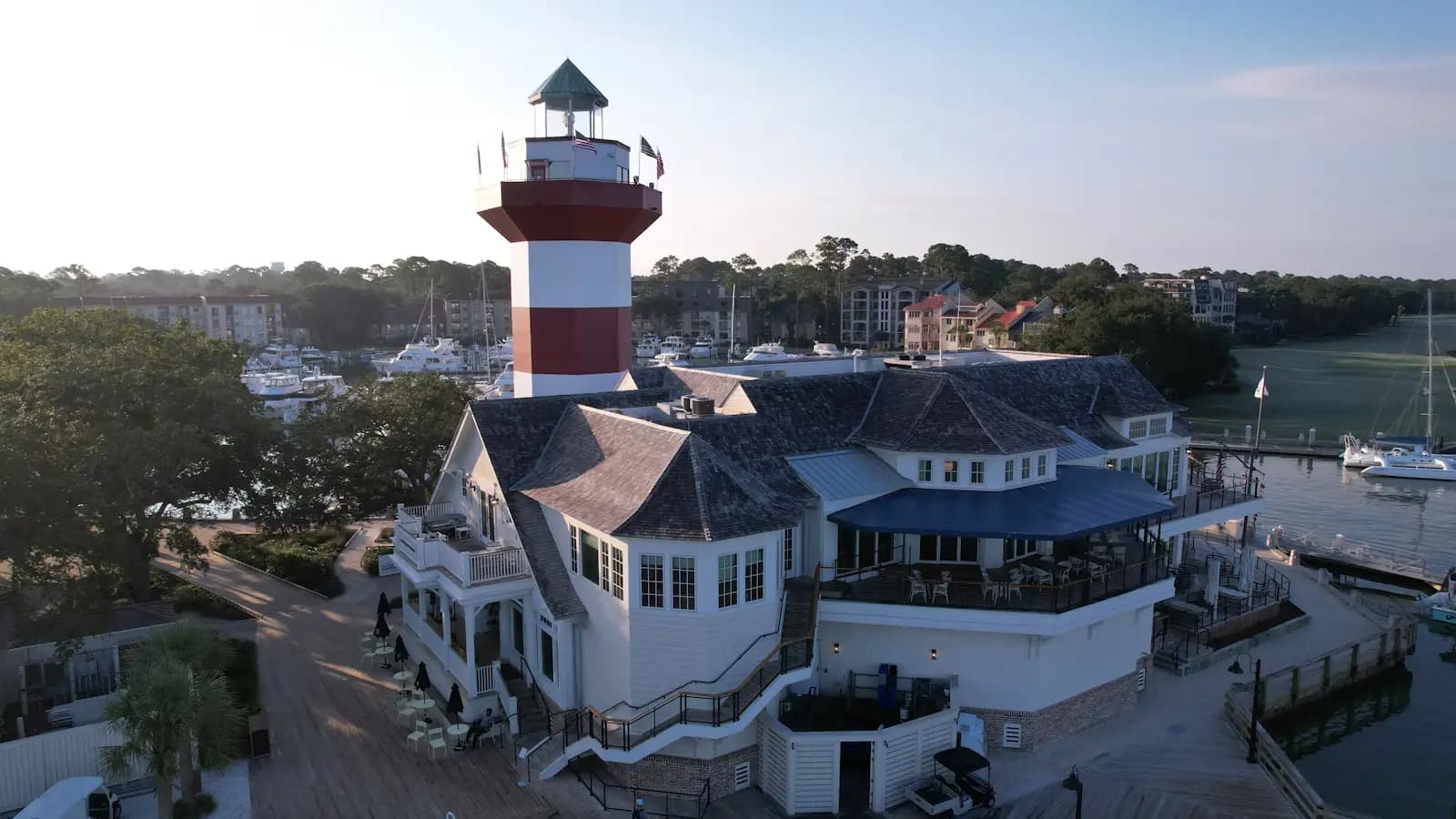
Yes, you almost certainly need a car on Hilton Head Island — and once you have one, the island rewards leaving it parked for most of the week. That is the honest two-part answer. A car matters for the drive from the airport, the grocery run to Bluffton, a tee time at the far end of the island and a day trip to Savannah or Beaufort. It matters much less for the beach, dinner, Harbour Town or Coligny, all of which are better reached on two wheels. The visitors who have the worst time here are the ones who drive everywhere out of habit and spend their holiday in a queue at the Sea Pines Circle roundabout.
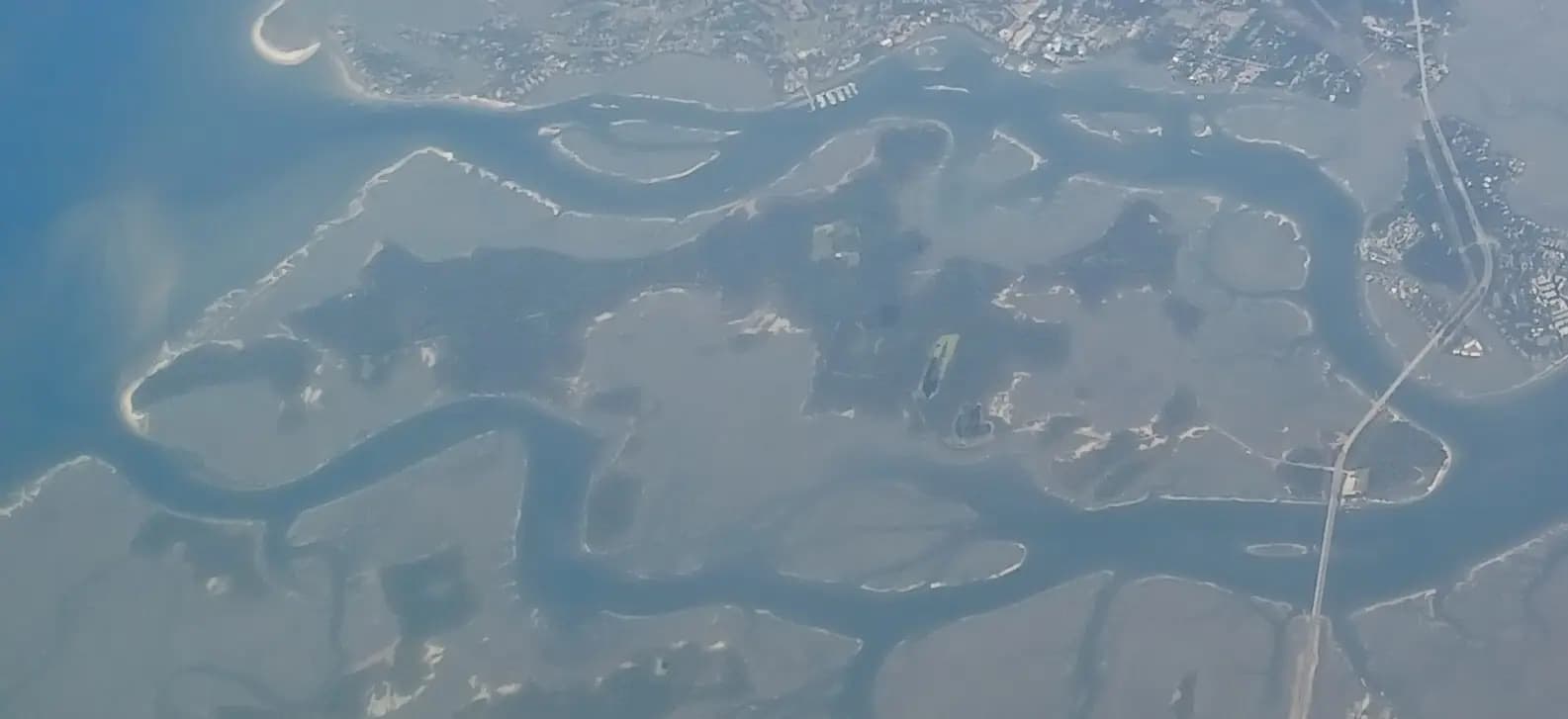
The geography explains most of it. The island is about twelve miles long, boot-shaped, and served by essentially one road: William Hilton Parkway, US-278, running from the bridges at the north end all the way down to Sea Pines Circle. The Cross Island Parkway cuts the corner across Broad Creek and saves roughly fifteen minutes to the south end. That is the entire trunk network. There are no through routes behind it, because the gated communities occupy most of the interior and their roads are private, so traffic cannot disperse the way it would in an ordinary town. When US-278 is slow, everything is slow.
One correction worth making up front, because a great many older guidebooks and forum posts still get it wrong: the Cross Island Parkway is no longer a toll road. SCDOT stopped collecting on 30 June 2021 once the construction bonds were paid off, the booths were removed in 2022 and the former toll office was demolished in 2024. You do not need quarters, a transponder or a Palmetto Pass. Drive straight through.
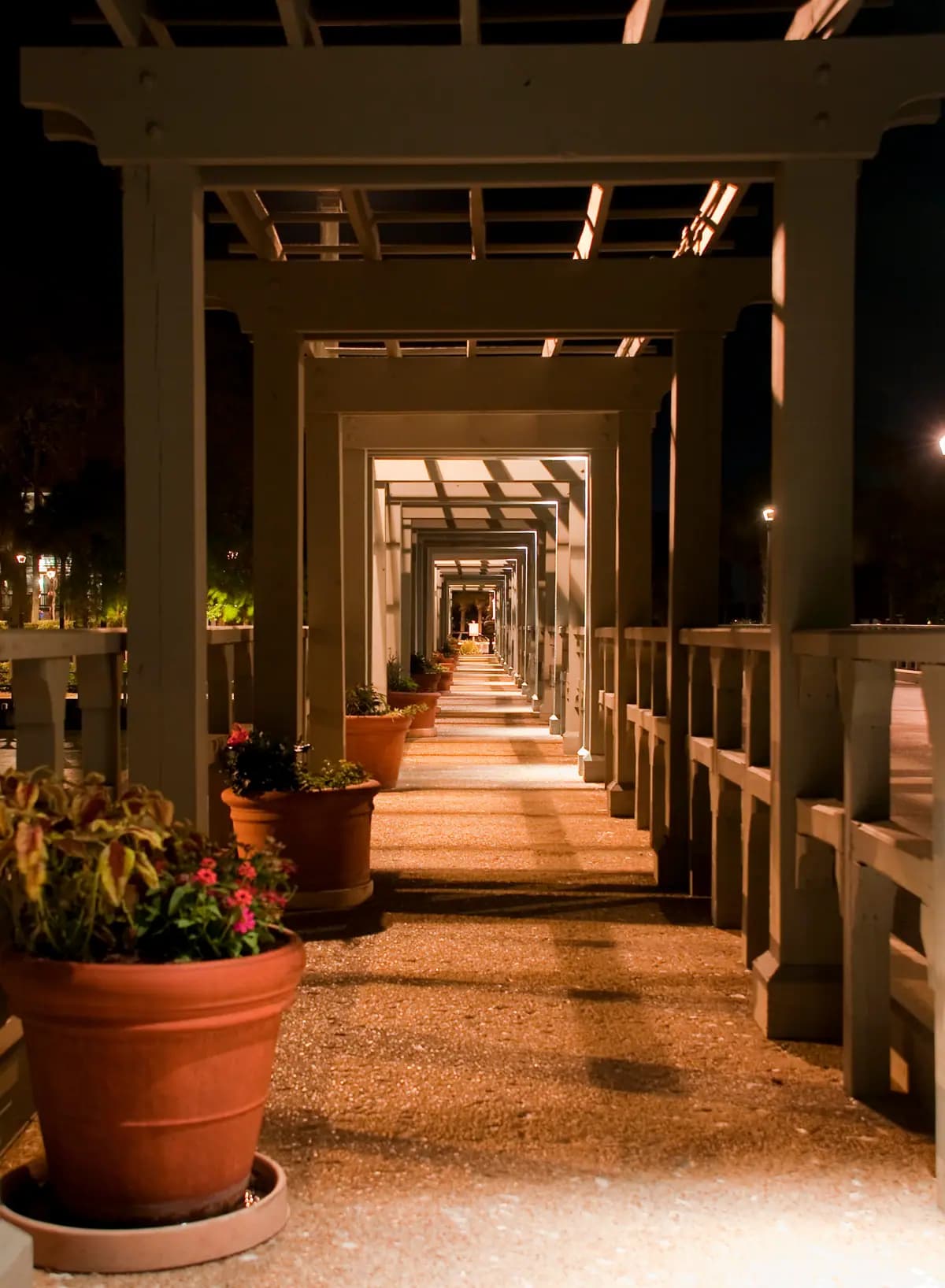
Against that single road sits one of the best cycling networks in the American Southeast. The town maintains more than seventy miles of public pathways and nature trails, with a further fifty-odd miles inside the private communities, and Hilton Head holds a Gold-level Bicycle Friendly Community rating from the League of American Bicyclists. These are separated paths with underpasses and signalised crossings, not painted shoulders. They connect the beach parks, Coligny Plaza, Shelter Cove, the mid-island parks and, through Sea Pines' own seventeen-mile internal network, Harbour Town and South Beach. Rental companies deliver cruisers to your door for the week at a price that makes daily hire elsewhere look absurd. At low tide you can also ride the hard-packed sand along the twelve miles of beach, which is a genuine local habit rather than a novelty.
Then there is the island's one unavoidable bottleneck. Almost every weekly rental changes hands on a Saturday morning, and everyone arriving and everyone leaving uses the same two-lane bridges. Between roughly ten and four on a summer Saturday, the crossing is slow enough to ruin a plan. Cross before ten or after four. There is no clever back route, because there is no back route at all.
The rest of the picture fills in quickly: a fare-free seasonal trolley, rideshare that works well by day and thins noticeably late at night, golf carts and low-speed vehicles with rules that are more specific than most visitors realise, a small on-island airport and a much larger one 45 minutes away, a ferry to Daufuskie, and a beach-access setup that is genuinely well thought out for wheelchair users. All of it is below.