Skip to content
Menu

We earn a commission if you book through this link. You pay the same price.

Plan your trip

The Best Time to Visit Hilton Head Island

Last updated

The best time to visit Hilton Head Island, month by month: real temperatures, ocean water, hurricane risk, RBC Heritage week and the weeks worth avoiding.

The short version: May and October are the two best weeks-worth of the year on Hilton Head Island, and if you have a choice, take one of them. Both give you highs in the upper seventies or low eighties, ocean water warm enough to swim in, humidity that has not yet turned oppressive or has just let go, and a fraction of July's crowd and rates. Everything else on this page is the detail that explains why, and what the trade-offs look like in the months either side.

Hilton Head sits at roughly 32°N on the South Carolina coast, in a humid subtropical climate moderated by the Atlantic and by the enormous tidal estuary the island sits inside. In practice that means four genuinely distinct seasons rather than the two most beach destinations get. January highs average around 60°F with lows near 40°F, which is cold enough for a jacket and far too cold to swim. July highs average about 89°F with lows near 74°F, and the humidity makes the felt temperature considerably higher. The ocean lags the air by roughly two months, which is the single most useful climate fact for planning: the water is at its coldest in February, around 56°F, and at its warmest in August, averaging close to 83°F. April air can feel like spring while the water is still at 64°F and will take your breath.

Three things distort the calendar beyond weather. Tourism season runs March to August, with families filling weekly rentals that turn over on Saturdays, and those Saturdays are the worst driving days of the year because the whole island changes hands over two lanes of bridge. RBC Heritage week in April — the PGA Tour's signature event at Harbour Town Golf Links, held 13–19 April in 2026 — books out the south end and pushes accommodation rates up sharply for that week alone. And hurricane season runs 1 June to 30 November, with the genuine risk concentrated from August into October, which is precisely when the weather is otherwise at its most pleasant on either side of it.

The island also has a season most guides skip. From December through February it is quiet in a way that suits some visitors enormously: the golf courses take visitor tee times easily, the pathways are empty, the alligators are visible sunning on the lagoon banks, the light is extraordinary and the rates are the lowest of the year. The cost is reduced hours at the smaller museums, fewer boats running, some restaurants closed for a few weeks, and water far too cold for swimming. If you came for a beach holiday, winter is wrong. If you came to walk, ride, play golf and eat oysters, it is arguably the best value on the southeastern coast.

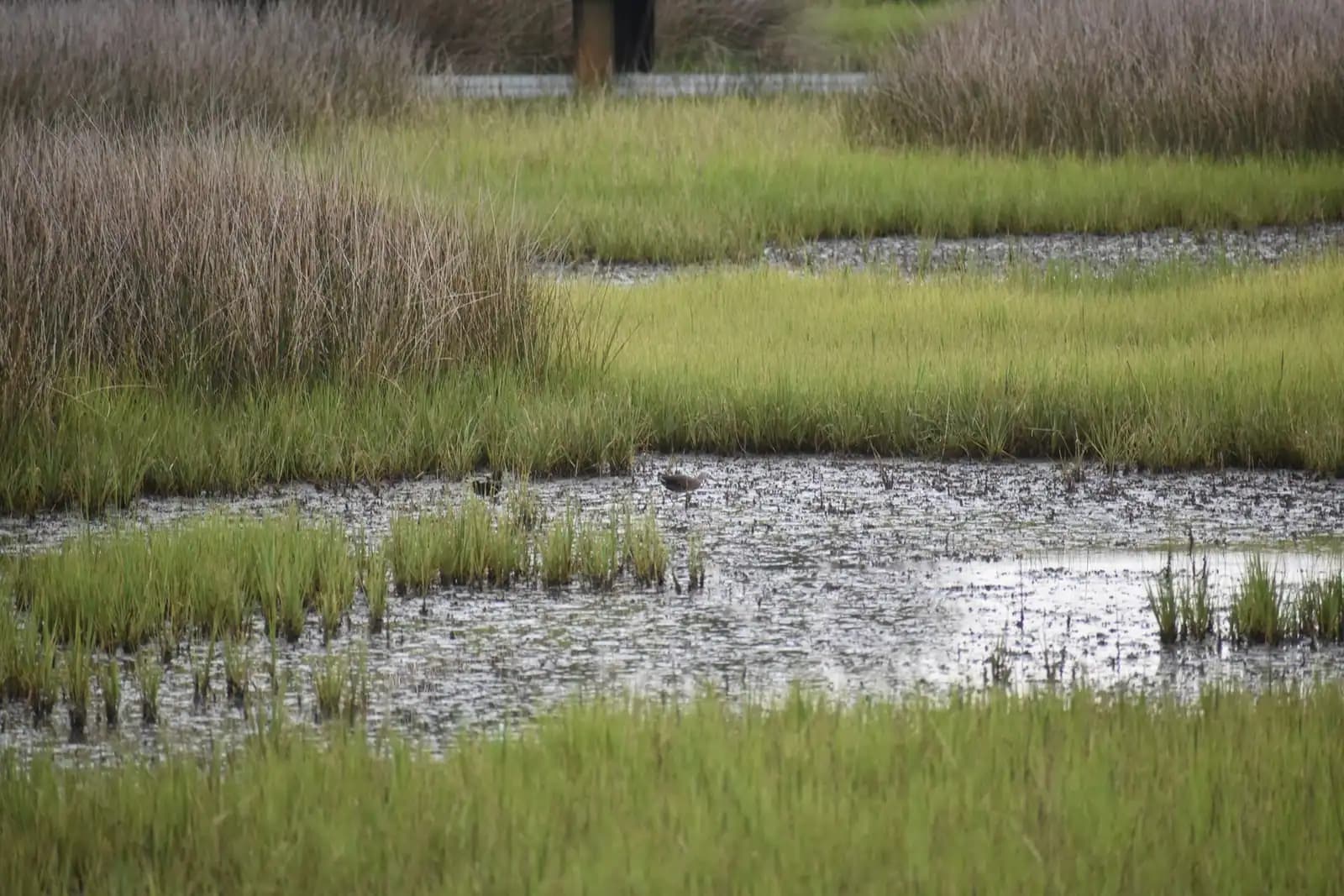
Two natural nuisances belong in any honest answer. Afternoon thunderstorms build over the mainland most days from late June through August and roll across the island, typically clearing within an hour but reliably enough to cancel boat trips. And the marsh produces no-see-ums — biting midges small enough to pass through standard window screens — that come out at dusk from spring through autumn in numbers citronella will not touch. Neither ruins a trip. Both change how you plan a day.

What follows is the month-by-month detail, the seasons in full, and an honest account of the weeks we would avoid.
Our picks

The ones we would book

  • Editor's Pick

    Best booked in May or October

    Why we chose it

    The shoulder-season weeks are when the island's boat trips are at their best: water above 70°F, air in the upper seventies, no afternoon storm cancellations and half the summer's demand on the morning departures. Same estuary, same resident dolphins, considerably more space on the rail.

  • Best Value

    Off-season pricing, same water

    Why we chose it

    Between November and February the boats that keep running carry a fraction of the passengers, and pricing softens with them. The dolphins are resident, so they do not leave when the crowds do. Bring a windproof layer for Port Royal Sound and take the cheapest good trip of the year.

  • Best for Families

    The summer slot that survives the weather

    Why we chose it

    From late June through August, the afternoon storm cells make mid-day departures a gamble. A short morning trip on protected water dodges the heat, the chop and the cancellation risk in one booking, and lands back at the dock while children are still in a good mood.

    Hilton Head Island Dolphin Boat Cruise

    Involves Animals

    Hilton Head Island Dolphin Boat Cruise (opens in a new tab)

    Best for FamiliesFree cancellationInstant confirmation
    1.7K reviews

    - Experience dolphins up close and in their natural environment - Fun for Families & Educational - Comfortable and completely shaded boat…

    1–2 hours

    Prices checked

    from $39.99
  • Sunset

    Check the month before you check the boat

    Why we chose it

    Sunset on Hilton Head swings from near 8:30pm at midsummer to around 5:20pm at the solstice, so the same listing is a late-evening sail in June and an afternoon cruise in December. October gives you the best combination: bronze marsh grass, a civilised 6.30pm departure and no crowds.

  • Top Rated

    For a winter trip that is not about the beach

    Why we chose it

    December through February the island turns into a walking, cycling and golf destination with alligators visible on the lagoon banks and wintering shorebirds at Pinckney. The land-based tours run year-round and read completely differently without the heat or the insects.

Spring: March to May

Spring is when the island wakes up, and it does so unevenly.

March is transitional. Highs average around 69°F, the azaleas and dogwoods come out, and the town's beach parking charges start on 1 March, which is the clearest signal that the season has begun. The ocean is still around 57°F — cold enough that nobody is swimming voluntarily. March is excellent for cycling, golf and the preserves, and it is when Pinckney Island's rookery starts to fill.

April is the month the island looks its best and prices behave least predictably. Highs near 75°F, lows in the mid-fifties, low humidity and long clear days. Two things distort it. RBC Heritage week brings the PGA Tour to Harbour Town Golf Links — 13 to 19 April in 2026 — and the south end books out months ahead, with accommodation rates well above the April norm and restaurants full every night. If you are not coming for the golf, book around that week. Spring break also falls across late March and April, staggered by school district, which puts a young-adult crowd on the south-end beaches for a few weeks.

May is the best month on the island, and it is not close. Highs average 82°F, lows 63°F, the humidity has not yet arrived in force, the water has climbed to around 71°F, which is genuinely swimmable, and hurricane season has not started. Loggerhead nesting begins on 1 May and the lights-out ordinance comes into force. Crowds build through the month toward Memorial Day, so the first three weeks are the sweet spot within the sweet spot.

Summer: June to August

Summer is when most people come, and it is the hardest season to enjoy without a plan.

Heat and humidity. July averages 89°F with overnight lows near 74°F, meaning it does not really cool down. Dewpoints in the low seventies make the felt temperature considerably higher, and the UV index is strong enough to burn through a cloudy morning. The local rhythm is real: on the sand by eight, off it by one, indoors through the afternoon, back out at five. Fighting that rhythm is how visitors lose days to sunburn.

Afternoon thunderstorms. From late June through August, heat over the mainland drives a convective cell across the island most afternoons. They arrive fast, they are genuinely electrical, and they usually clear within an hour. They also cancel boat trips at short notice, which is the strongest argument for morning departures.

Turnover Saturdays. Nearly every weekly rental on Hilton Head changes hands on a Saturday morning, and the island has two lanes of bridge in each direction. Between roughly ten and four on a summer Saturday, crossing is slow enough to wreck a plan. Arrive and leave early, and do nothing that requires driving that day.

Loggerhead nesting, 1 May to 31 October, is at its peak. The town's lights-out ordinance requires oceanfront lights visible from the beach to be shielded or off after dark, with beach-facing curtains drawn. Fill in holes, flatten sandcastles and take gear home at night. Enforcement is real.

The upside is the water: August averages close to 83°F, the warmest of the year, and the days are long enough for a 6am beach walk and a 9pm dinner.

Autumn: September to November

Autumn is the island's second sweet spot and its most statistically risky stretch at the same time, which is a genuinely awkward thing to advise on.

September empties out after Labor Day. Highs average 84°F, the ocean is still around 81°F, and by the second week the beaches belong to locals and couples again. It is also the peak of Atlantic hurricane activity, and September is the month most likely to bring a named system into the forecast. Travel insurance earns its cost in September.

October is, for a large minority of repeat visitors, the best month of the year. Highs average 77°F, lows near 59°F, humidity gone, water still near 76°F and swimmable for anyone from a northern state, mosquitoes and no-see-ums fading, and rates well below summer. The light is long and low, and the marsh grass turns gold. Storm risk drops steadily through the month.

November ends the swimming season for most people — the water falls to around 68°F — but it is arguably the best walking and cycling month on the calendar. Highs near 70°F, lows around 50°F, essentially no crowds, and the pathway network entirely yours. Hurricane season closes on 30 November. Oyster season is under way, which on this coast means roasts rather than half-shell plates, and Thanksgiving week is the one busy week of the month.

If you want warm water with small crowds, come the first two weeks of October. If you want empty and do not need to swim, come in November.

Winter: December to February

Winter on Hilton Head is a real season with a real audience, and it is the one most guides describe badly.

The numbers: January averages 60°F by day and 40°F at night, February 63°F and 42°F. Frost happens; snow essentially does not. The ocean bottoms out around 56°F in February, which is cold-water swimming territory, not holiday swimming. The wind coming off Port Royal Sound has more bite than the air temperature suggests, so bring a windproof layer rather than a heavier coat.

What works. Golf is the main draw: roughly two dozen courses, easy visitor tee times, no heat, and shoulder rates. Cycling and walking on seventy-plus miles of pathway with nobody on them. Wildlife is better than in summer — alligators haul out to sun on the lagoon banks where they are easy to see, and the wintering shorebird and duck numbers at Pinckney Island and Fish Haul Creek Park are excellent. Dolphin cruises still run, because the animals are resident, though on reduced schedules. And rates are the lowest of the year by a wide margin.

What does not. Some restaurants close for a stretch in January. The smaller museums, the stables and the ferry run reduced winter hours that change year to year, so check rather than drive. Fewer boats operate, and midweek departures can be thin. Beach parking is free, because the meters are switched off outside the season, which is one of the quiet pleasures of a January visit.

Come in winter if you want the island rather than the holiday. It is remarkably good at being a quiet place.

When the water is actually warm enough

When to go

Air temperature is a poor guide to swimming here, because the Atlantic lags the calendar by about two months.

Comfortable for most visitors: June to October. The water averages 78°F in June, 82°F in July, 83°F in August, 81°F in September and 76°F in October. August is the warmest and feels less like relief than you would like on a 90°F afternoon.

Swimmable for the hardy: May and November. May averages 71°F, November 68°F. Northern visitors swim happily in both. Children tend to be fine; adults from Florida tend not to be.

Cold: December to April. December 61°F, January 57°F, February 56°F, March 57°F, April 64°F. April is the classic trap — 75°F air, spring light, and water that will empty your lungs on entry.

Two local factors change the experience beyond the number. First, the tidal range of six to seven feet means the shallows over the wide sandbars warm noticeably on a rising tide over hot sand, so the water at Coligny at 4pm in June can feel several degrees warmer than the published figure. Second, the same range means that at dead low water you may be wading a very long way before it is deep enough to swim.

Rip currents, not sharks, are the real hazard. The beach shelves gently and the surf looks mild, which is exactly why people get caught. Lifeguard coverage at the main beach parks is seasonal and daytime only, the coloured flags mean what they say, and if you are pulled out you swim parallel to the shore rather than against it.

Book it

Everything else we track

Some links below go to Viator, our booking partner. We earn a commission on bookings made through them — at no extra cost to you, and with no influence on what we recommend.

  • 90 minute Hilton Head Sunset Dolphin Cruise

    Involves Animals

    90 minute Hilton Head Sunset Dolphin Cruise (opens in a new tab)

    Free cancellationInstant confirmation
    274 reviews

    Explore the salt marsh and take in views of the incredible Lowcountry sunset! On this 90-minute tour, learn about the salt marsh and try…

    1–2 hours

    Prices checked

    from $55
  • Hilton Head Island Sunset Dolphin Tour

    Involves Animals

    Hilton Head Island Sunset Dolphin Tour (opens in a new tab)

    Free cancellationInstant confirmation
    105 reviews

    Embark on an unforgettable Sunset Dolphin Tour around Hilton Head Island, SC! Join our fun crew of knowledgable guides as we cruise the…

    1–2 hours

    Prices checked

    from $49.99
  • Hilton Head Morning Dolphins & Donuts Cruise

    Top Product

    Hilton Head Morning Dolphins & Donuts Cruise (opens in a new tab)

    Free cancellationInstant confirmation
    104 reviews

    This is a Dynamite combo - Dolphin & Donuts! This 1.5 hour tour will depart from Palmetto Bay Marina. Our local guides will tell you all…

    1–2 hours

    Prices checked

    from $55
  • Hilton Head Shrimp Trawling Boat Cruise

    Private and Luxury

    Hilton Head Shrimp Trawling Boat Cruise (opens in a new tab)

    Free cancellationInstant confirmation
    363 reviews

    Come join the crew aboard the Tammy Jane for a 2-hour educational and picturesque low-country experience as we take you out Shrimping! We…

    2 hours

    Prices checked

    from $45Usually $50

Hilton Head month by month

How they compare

Air temperatures are long-term monthly averages for the island; ocean figures are average sea surface temperatures. Any given week can run well above or below these.

MonthAvg highAvg lowOceanCrowdsRatesThe honest note
January60°F40°F57°FLowestLowestGolf, walking, oysters. Some places closed for a few weeks
February63°F42°F56°FLowLowColdest water of the year. Clear, bright, empty pathways
March69°F49°F57°FRisingRisingSeason opens, beach parking meters start. Water still cold
April75°F55°F64°FHighSpikes in Heritage weekLovely, except the week RBC Heritage takes the south end
May82°F63°F71°FHighHighThe best month. Warm water, tolerable humidity, no storm season
June86°F71°F78°FPeakPeakLongest days, turtle nesting under way, storms begin building
July89°F74°F82°FPeakPeakHottest, busiest, most expensive. Be off the sand by one
August88°F73°F83°FPeak to late AugustPeakWarmest water, peak hurricane season, heaviest humidity
September84°F69°F81°FFalls after Labor DayFallsStatistically the riskiest storm month, and gorgeous otherwise
October77°F59°F76°FLowLow to moderateThe other best month. Warm water, empty beaches
November70°F50°F68°FLowLowSwimming over for most people. Superb walking and cycling
December62°F43°F61°FLowestLowestQuiet, mild by northern standards, reduced hours everywhere

Read the ocean column carefully. It is the reason April disappoints swimmers and October delights them despite the cooler air.

Hurricane season, honestly

Before you book

Atlantic hurricane season runs 1 June to 30 November, and the risk is not spread evenly across it. June and July are statistically quiet for this stretch of coast. The real concentration is mid-August through early October, peaking in September.

What that means in practice for a visitor. Most trips in that window are completely unaffected. The likelier disruption is not a direct hit but a system passing offshore, which can put days of heavy surf, rip currents and beach erosion on an otherwise sunny island, and shut down every boat tour for 48 hours. Long swell from a distant storm under a clear blue sky is the most dangerous water condition the island gets, precisely because it does not look dangerous.

The island's exposure is genuine. Hilton Head is a low barrier island with one road off it, and evacuation is ordered by the state rather than debated locally. Hurricane Matthew came ashore as a Category 2 on 8 October 2016 and gave the island its worst modern damage: power out for days, both access roads blocked by fallen pines, thousands of structures affected. Before that you have to go back to the Sea Islands Hurricane of 1893, which brought a storm surge of more than sixteen feet.

Three pieces of practical advice. Buy travel insurance for an August to October trip, and read what it says about named storms. Take an evacuation order at face value and leave early rather than in the queue. And if you are booking that window, favour operators with genuine free-cancellation windows and accommodation with a storm policy in writing.

No-see-ums, mosquitoes and the marsh

Before you book

Nobody puts this on a brochure, and it is one of the most useful things to know before your first evening on a dock.

No-see-ums — biting midges, locally also called sandflies or punkies — breed in the salt marsh and come out at dusk and dawn from roughly March through November, worst in the warm still months. They are small enough to pass through standard insect screening, the bite is delayed and intensely itchy, and citronella does essentially nothing. Repellent with DEET or picaridin works. Buy it before your first sunset, not after.

Mosquitoes are a summer evening problem near standing water rather than an all-day one. Beaufort County runs a mosquito control programme, which keeps them manageable rather than absent.

When and where it is worst. Dusk and dawn, near marsh grass and still water, on days with little wind. The Sea Pines Forest Preserve, Pinckney Island, the Palmetto Dunes lagoons and any dock at sunset are the classic settings. The ocean beach with a breeze is usually fine.

What works. DEET or picaridin on skin, permethrin on clothing for a serious marsh walk, long sleeves at dusk, a fan on a screened porch since the midges are weak fliers, and choosing the breezy side of the island in the evening.

What does not. Citronella candles, wristbands and most "natural" sprays.

Winter is the one genuinely bug-free season, which is another quiet argument for January.

The weeks we would avoid

Before you book

Being useful here means naming the bad weeks, not just praising the good ones.

RBC Heritage week in April (13–19 April in 2026). Wonderful if you are here for the tournament, difficult if you are not. The south end books out, accommodation rates rise sharply for that one week, the good restaurants are full every night and traffic around Sea Pines Circle is unlike the rest of the year. Shift a week either side and you get the same April weather at the normal price.

The week of 4 July. Peak heat, peak crowds, peak rates, and the beach parking situation at its worst. If you are coming anyway, ride bikes and eat early.

Any summer Saturday, for arriving or departing. Turnover day on two lanes of bridge. Cross before ten or after four.

Mid-August through mid-September, if you cannot be flexible. This is the height of hurricane season and the most likely fortnight to have plans rearranged by weather. It is also lovely most years. Insure it.

Late March into mid-April for swimmers. Beautiful air, 64°F water. Bring a wetsuit or plan around it.

The first two weeks of January, for eating out. A number of restaurants close for a break after the holidays. The island is still excellent for golf and walking; it is just thinner on dinner options than you might expect.

Everything else on the calendar is, honestly, fine.

On the ground

Where to go

Every place below has its own page — hours, parking, what it costs and what to expect when you get there.

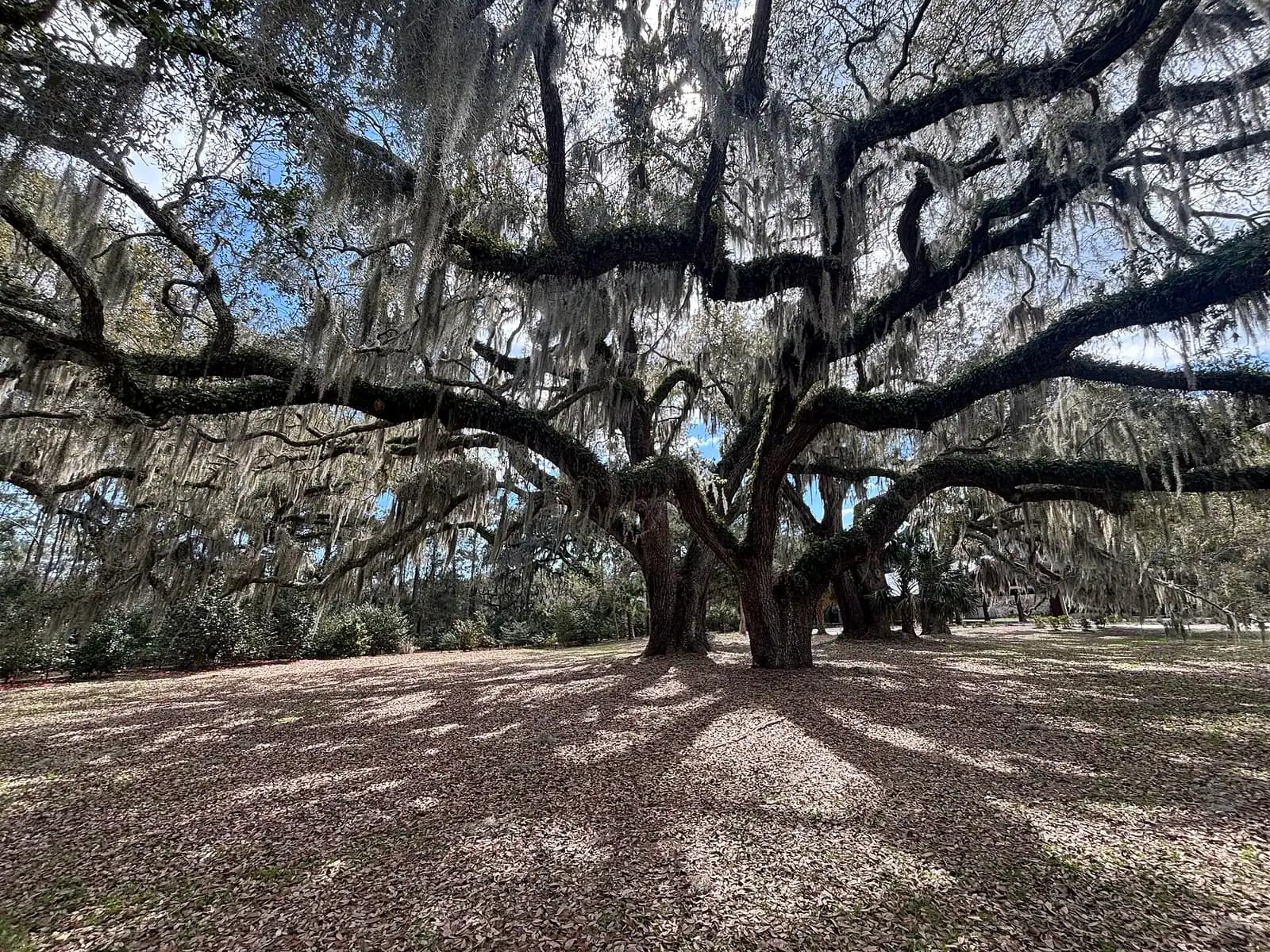
  • A broad live-oak canopy with sunlight coming through the branches

    Historic site

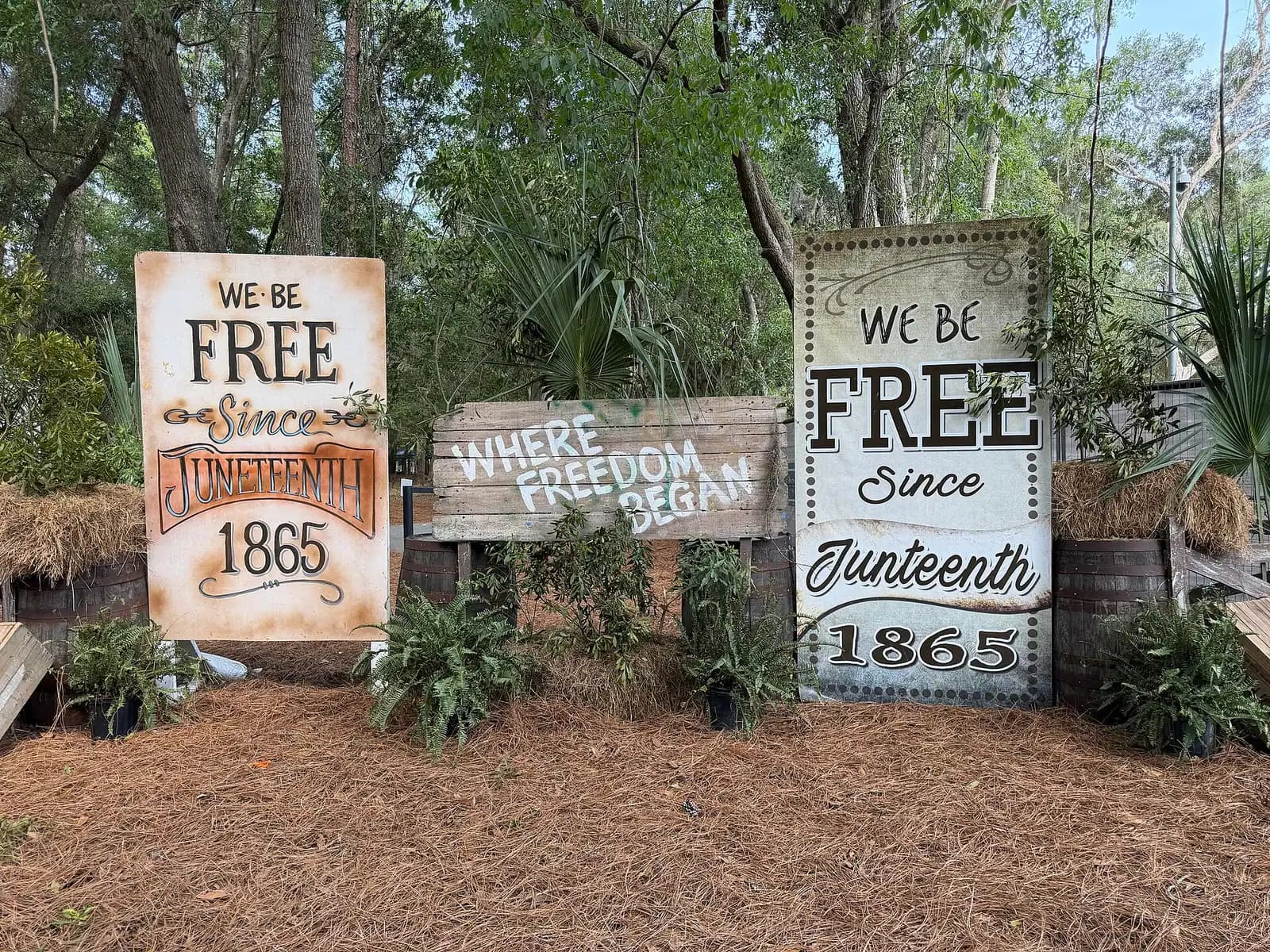
    Historic Mitchelville Freedom Park

    Free

    In 1862, formerly enslaved people founded a town here and governed it themselves. Free to enter, and the most important hour on the island.

    1–2 hoursFree. Donations support preservation, interpretation and the ongoing archaeology.

  • Small boats moored on clear shallow water beside a sandbank, seen from above

    Marina

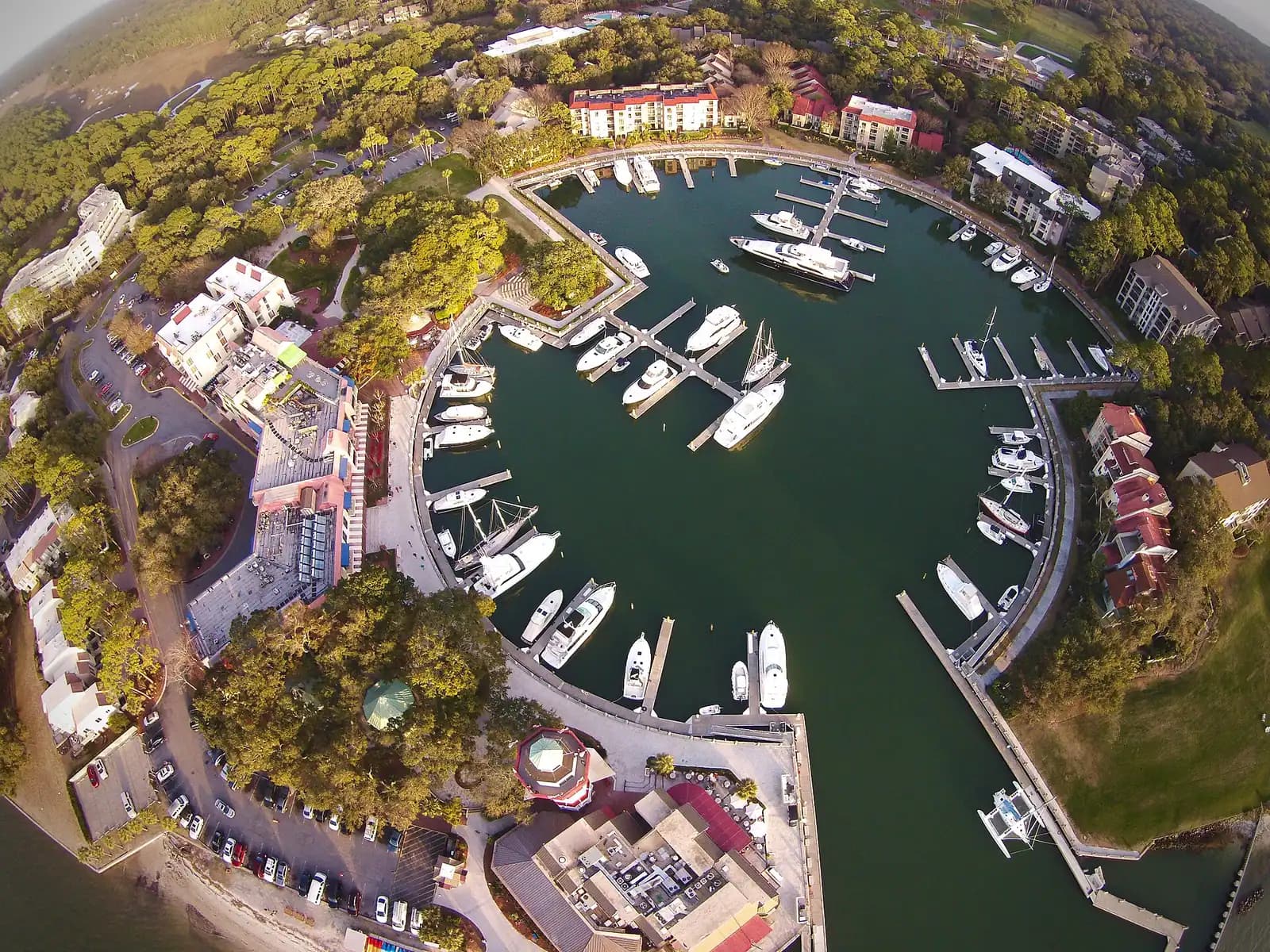
    Harbour Town

    A yacht basin on Calibogue Sound, a three-centuries-old live oak, and the island's most photographed stretch of low wooden shopfronts.

    1–3 hoursNo charge to walk the harbour, but Sea Pines charges a daily gate pass per vehicle to enter the community.

  • A white-tailed buck standing among trees in low golden light

    Nature preserve

    Sea Pines Forest Preserve

    Free

    Six hundred and five acres of trails, lagoons and a 4,000-year-old shell ring — free to walk, once you have paid the Sea Pines gate.

    1–3 hoursFree to enter — but non-residents pay the Sea Pines daily gate pass to drive in

  • A raised timber boardwalk running through dense green woodland

    Museum

    Coastal Discovery Museum at Honey Horn

    Free

    Sixty-eight acres of marsh boardwalk, live oak allee and camellia garden, free to walk, with the island's best interpretation indoors.

    1–2.5 hoursFree entry to the museum and the 68-acre grounds. Donations encouraged.

  • Low evening sun across a wide expanse of tall golden marsh grass

    Wildlife

    Pinckney Island National Wildlife Refuge

    Free

    Four thousand free acres on the causeway, wading birds by the hundred at Ibis Pond, and not a restroom or water tap anywhere.

    1–4 hoursFree — no entry fee and no parking charge

  • Low early-morning sun over gentle surf breaking on wide, pale, hard-packed sand

    Beach

    Coligny Beach Park

    Free

    The island's busiest access: free parking, real changing rooms, rental chairs, and a lot that is gone by ten in July.

    2–6 hoursFree. Parking is free too, year-round, unlike every other Town beach park.

  • Raised timber boardwalk on pilings crossing tall dune grass towards a beach

    Beach

    Driessen Beach Park

    Free

    A shaded playground, grills, picnic shelters and a long marsh boardwalk to the sand. The family default on Hilton Head.

    2.5–7 hoursBeach access is free; parking is charged by the hour in season.

  • Calm coastal water under a low sun with seabirds crossing the sky

    Landmark

    Harbour Town Lighthouse

    114 steps up a red-and-white tower nobody asked the Coast Guard for, with an island history museum stacked on the landings.

    0.5–1 hoursA small per-person admission to climb, on top of the Sea Pines gate pass charged per vehicle at the community entrance.

  • A wide-crowned oak with low limbs and sunlight through the leaves

    Neighbourhood

    Old Town Bluffton

    Free

    Twenty minutes off the island: art galleries on a one-street town, an 1857 church on a bluff, and oysters shucked by hand.

    2.5–5 hoursFree to visit and free to park. You pay only for food, art and anything you buy.

  • A broad wet tidal flat exposed at low tide with gulls on the sand and a distant line of surf

    Beach

    Fish Haul Creek Park

    Free

    North-end park on Port Royal Sound: marsh boardwalk, huge low-tide flats, the island's best shorebirds and almost no swimming.

    1.5–3.5 hoursBeach and park access are free; the main lot is charged by the hour in season.

  • Tall pine trunks with sunlight falling across a needle-covered forest floor

    Neighbourhood

    Sea Pines Resort

    Five thousand acres behind a gate: the pass costs one thing and nearly everything good inside costs another. How it works.

    3–8 hoursDaily gate pass charged per two-axle vehicle; activities inside cost extra.

  • Boats moored on clear shallow water beside a sandbank, seen from above

    Marina

    Shelter Cove Harbour & Marina

    Free

    Mid-island marina on Broad Creek with summer fireworks every Tuesday, a giant Neptune on the quay, and no gate pass to pay.

    1–4 hoursFree to visit and free to park. No gate pass. Boat trips and activities are charged.

  • A wide-crowned oak with long horizontal limbs and light through the canopy

    Museum

    Gullah Museum of Hilton Head Island

    A Native Islander family's museum off Gumtree Road, visited by appointment rather than by turning up. Book well ahead.

    1–1.5 hoursCharged per person, by appointment. Recently listed at around $25 per adult.

  • A narrow sunlit path winding between tall straight trees in dense woodland

    Nature preserve

    Audubon Newhall Preserve

    Free

    Fifty free acres of labelled Lowcountry plants and a mile of easy trail, run by volunteers on a road most people drive straight past.

    0.5–1.5 hoursFree — owned and maintained by the Hilton Head Island Audubon Society

  • Tall pine trunks and a floor of fallen needles in filtered light

    Historic site

    Fort Howell

    Free

    A five-sided earth fort raised in 1864 by Black Union soldiers to protect the freedmen's town up the road. Free, and usually empty.

    20–40 minutesFree. No ticket, no staff, no gate.

  • An audience gathered outdoors in the evening under strings of lights

    Entertainment

    Arts Center of Coastal Carolina

    A 349-seat professional theatre at Shelter Cove with five mainstage shows a season, and a free gallery of local work in the lobby.

    1–3 hoursTheatre tickets are charged by production and seat. The gallery is free to enter.

  • Tall pines with sunlight reaching a floor of fallen needles

    Entertainment

    Lawton Stables

    Guided trail rides through 605 acres of forest preserve, plus an animal farm that costs nothing to wander round.

    0.5–2 hoursTrail rides around $80 per person; pony rides a small per-ride charge; the animal farm is free.

  • Green woodland with light falling between close-standing trees

    Historic site

    Stoney-Baynard Ruins

    Free

    Oyster-shell concrete walls of a cotton planter's house, with the foundations of the quarters that made it possible a few steps away.

    20–45 minutesFree at the site. You still pay the Sea Pines gate pass, charged per vehicle, to enter the community.

  • A raised wooden boardwalk with handrails running through dense green forest

    Nature preserve

    Whooping Crane Pond Conservancy

    Free

    A 1,100-foot boardwalk over black gum swamp — remarkable, and behind a gate that turns most visitors away.

    0.5–1.5 hoursNo charge — but access is restricted to Hilton Head Plantation residents and their guests

  • Dense green woodland with light coming through the upper canopy

    Historic site

    Green's Shell Enclosure Heritage Preserve

    Free

    A shell embankment thrown up around a fortified village six centuries ago, three acres off Squire Pope Road. Nearly always empty.

    20–45 minutesFree. A state heritage preserve with no ticketing and no staff on site.

Straight answers

Questions people actually ask

What is the best month to visit Hilton Head Island?

May, with October close behind. May averages highs of 82°F and lows of 63°F, the ocean has warmed to around 71°F, humidity has not yet become oppressive and hurricane season has not begun. October gives you 77°F days, water still near 76°F and a fraction of the crowds, at lower rates. Both avoid July's heat and August's storm risk. Within May, the first three weeks beat the Memorial Day run-up.

What is the cheapest time to visit Hilton Head Island?

December through February, by a wide margin. Accommodation rates are at their lowest, tee times are easy, beach parking meters are switched off outside the peak season, and the pathways are empty. The trade-offs are real: water around 56–57°F, some restaurants closed for a stretch in January, and reduced winter hours at the smaller museums and on boat schedules. November and early December are the value sweet spot if you want mild weather too.

When is the ocean warm enough to swim at Hilton Head?

June through October for most people. Average sea temperatures run about 78°F in June, 82°F in July, 83°F in August, 81°F in September and 76°F in October. May at 71°F and November at 68°F are swimmable for northern visitors. December to April is cold — February bottoms out near 56°F. April is the classic trap: 75°F air and 64°F water, so the beach looks ready long before the ocean is.

Is hurricane season a real risk on Hilton Head Island?

It is a genuine but manageable one. The season runs 1 June to 30 November, with risk concentrated mid-August through early October and peaking in September. Most trips in that window are unaffected. The likelier disruption is a system passing offshore that brings days of dangerous surf and cancels every boat tour. Hurricane Matthew hit directly as a Category 2 on 8 October 2016. Buy travel insurance for late-summer trips and take evacuation orders seriously.

What is RBC Heritage week and should I avoid it?

It is the PGA Tour's signature event at Harbour Town Golf Links in Sea Pines, held 13 to 19 April in 2026, and the biggest week on the island's calendar. If you are coming for the golf it is superb. If you are not, expect accommodation rates well above the April norm, a fully booked south end, full restaurants every night and heavy traffic around Sea Pines Circle. Shifting a week either side gets you identical weather at normal prices.

How bad are the bugs on Hilton Head Island?

The mosquitoes are manageable. The no-see-ums are the real issue — biting midges that breed in the salt marsh, come out at dusk and dawn from roughly March through November, and are small enough to pass through standard window screens. Citronella does nothing. Repellent with DEET or picaridin works, as does a fan on a screened porch, since they are weak fliers. Buy the spray before your first evening on a dock.

Does it rain a lot on Hilton Head in summer?

It rains in a particular way. From late June through August, heat building over the mainland drives an afternoon thunderstorm across the island most days. They arrive quickly, they are electrical, and they usually clear within an hour. They rarely cost you a whole day, but they reliably cancel mid-afternoon boat trips, which is the strongest argument for booking morning departures. Mornings in summer are far more dependable than afternoons.

Is Hilton Head worth visiting in winter?

If you want golf, cycling, walking and wildlife rather than a beach holiday, yes. January and February average highs of 60–63°F, the roughly two dozen courses take visitor tee times easily, seventy-plus miles of pathway are empty, alligators haul out to sun where you can see them, and rates are the lowest of the year. The water is too cold to swim, some restaurants close briefly in January, and several attractions run reduced hours.

When is Hilton Head Island least crowded?

Early December and the middle two weeks of January are the quietest of all. After that, November and February. In the warm half of the year, the first two weeks of October are the best combination of small crowds and swimmable water, since families disappear after Labor Day while the ocean stays near 76°F. Avoid the weeks around 4 July, Memorial Day, Labor Day, Thanksgiving and RBC Heritage if crowds matter to you.

Why is traffic so bad on Hilton Head on Saturdays?

Because nearly every weekly rental on the island turns over on Saturday morning, and the island is reached by two lanes of bridge in each direction on US-278. Several thousand families arrive and leave over the same few hours. Between roughly ten and four on a summer Saturday, crossing can take an hour. Plan your arrival and departure before ten or after four, and do nothing requiring a drive that day.

When do sea turtles nest on Hilton Head Island?

Loggerheads nest from 1 May to 31 October, with hatchlings emerging from roughly July onwards. The town enforces a lights-out ordinance through the season: oceanfront lights visible from the beach must be shielded or switched off after dark and beach-facing curtains drawn. Fill in holes, flatten sandcastles and remove beach gear at night, since all three trap hatchlings. Do not use white torches or phone lights on the beach after dark, and leave marked nests alone.

How far ahead should I book a Hilton Head trip?

For a summer week in a rental house, six to nine months is normal, and the better properties go earlier. For RBC Heritage week in April, longer still. For a shoulder-season stay in May or October, two to three months is usually comfortable. Winter can often be booked weeks out. Whatever the season, book boat trips, bike rentals and dinner tables as soon as the accommodation is confirmed — those sell out faster than the houses do in July.