Skip to content
Menu

We earn a commission if you book through this link. You pay the same price.

Beach

Fish Haul Creek Park

Last updated

North-end park on Port Royal Sound: marsh boardwalk, huge low-tide flats, the island's best shorebirds and almost no swimming.

Photo: Town of Hilton Head IslandPublic domain

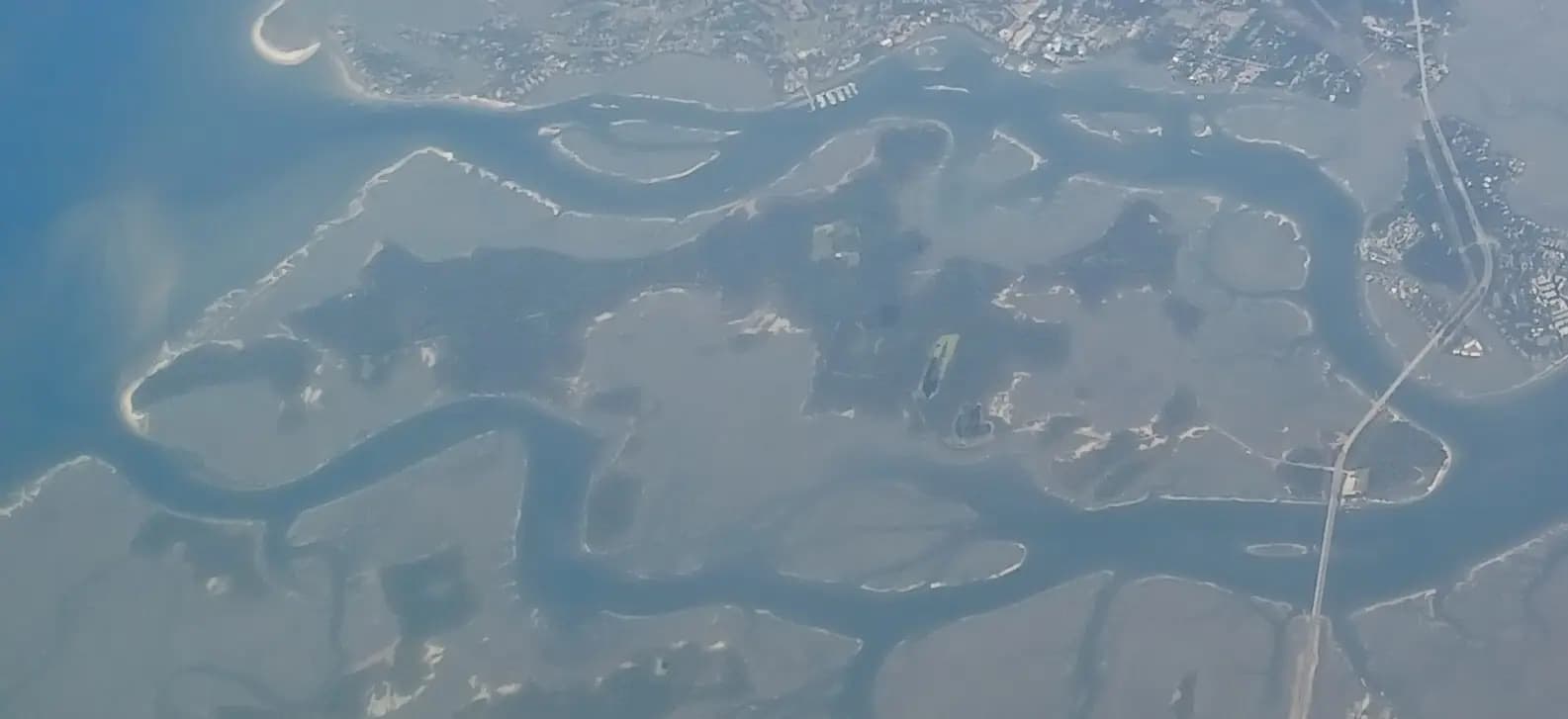
Fish Haul Creek Park is the one Town beach access that is not really a swimming beach, and understanding that before you drive up saves a wasted morning. It sits at the north end of Hilton Head Island off Beach City Road, and it faces Port Royal Sound rather than the open Atlantic. The water here is shallow for a very long way out, the bottom is as much mud and shell as sand, and at low tide the shoreline retreats across flats that go on for hundreds of yards. Nobody staffs a lifeguard stand here, because there is not much to guard.

What it has instead is everything the busy accesses do not. Four habitats sit inside one small park: maritime forest of big live oaks, salt marsh cut by tidal creeks, beach dune and scrub, and the Port Royal flats themselves. A timber boardwalk runs out over the marsh with a gazebo on it, and a path shaded by palmetto and live oak leads down to the sand. The flats are the best shorebird ground on the island: plovers, willets, dowitchers, sandpipers and marbled godwits work them through autumn and winter, terns and gulls loaf on the bars, clapper rails call from the spartina, and bald eagles and peregrines turn up often enough that local birders check for them by habit.

It is also the best shelling on Hilton Head. The combination of sound-side energy, oyster rakes and long exposure at low water leaves whelks, olives, arks and the occasional shark tooth on the flats. Live shells, sand dollars and conchs must be left where they are; the Town's regulations name them specifically.

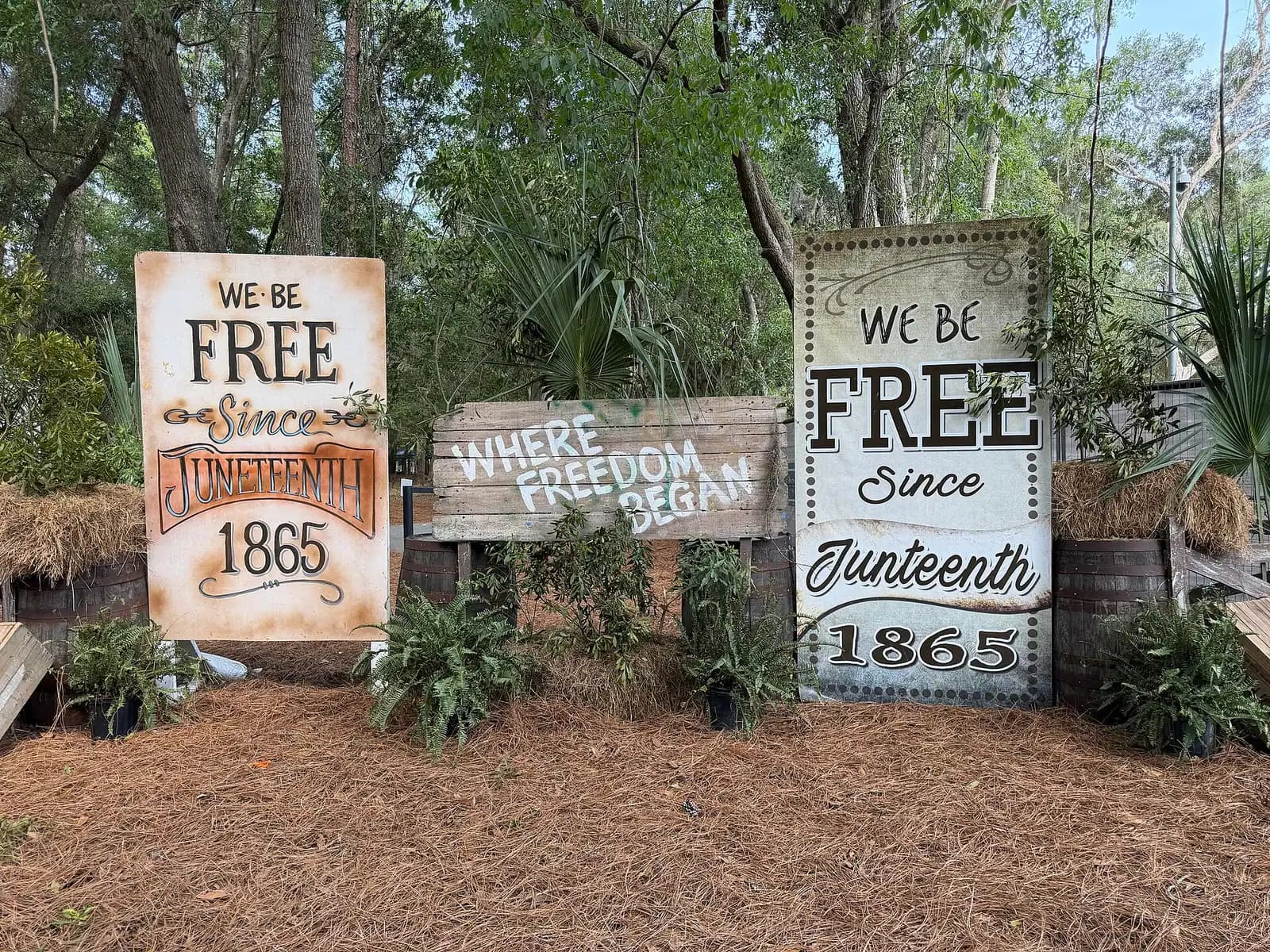
The park sits in Bay Gall, one of the island's historic Gullah neighbourhoods, and Historic Mitchelville Freedom Park is a few minutes away on the same road. Mitchelville was the first self-governed town of formerly enslaved people in the United States, established in 1862. Read the interpretive panels before you walk the beach here; the shoreline reads differently afterwards.
Getting there and parking

From US-278 (William Hilton Parkway) at the north end of the island, turn onto Beach City Road and follow it roughly two miles to the four-way stop, then continue to the park entrance on Mitchelville Road. From Coligny allow about 30 minutes; from the Cross Island Parkway, about 20.

Ninety-odd paid spaces sit at the park, with a free overflow lot of around seventy spaces at Barker Field further along Mitchelville Road.

The north end is outside the densest part of the leisure-trail network, so cycling here is a longer and less shaded ride than to the mid-island beaches. Most visitors drive. Combine the trip with Historic Mitchelville Freedom Park, which is a few minutes away and has free parking.

Getting there, parking and the free overflow

Turn off US-278 onto Beach City Road at the north end and follow it roughly two miles to the four-way stop, then continue to the park entrance on Mitchelville Road. It is a genuinely different part of the island from the resort corridor: quiet lanes, older houses, no signage clutter.

The Town lists about ninety-three paid spaces plus four accessible bays at the park. Hourly charges apply 1 March to 7 September, enforced daily 7am to 5pm and paid through the Town's parking app; recent rates have run near three dollars an hour on weekdays and five at weekends, so check the current figure.

The useful detail most visitors miss: there is a free overflow lot with around seventy spaces at Barker Field on Mitchelville Road, a short walk away. On a busy spring weekend that is the difference between parking and not.

Note that parking at neighbouring Historic Mitchelville Freedom Park is free year-round, which is worth knowing if you intend to do both in one trip.

Why the tide matters more here than anywhere else

On the Atlantic side of Hilton Head the tide changes how much beach you have. On the sound side at Fish Haul it changes what the place is.

At high water the sand strip below the dune line is narrow, the creek is full and the marsh is a sheet of green over water. At low water the shoreline moves several hundred yards out, exposing ripple-marked sand, mud, oyster rakes and shallow pans. That is when the birds arrive to feed and the shells appear, and it is the only condition worth planning a visit around.

Target the two hours either side of low water. Wear something on your feet: oyster shell is sharp and there is plenty of it. Take a bag for rubbish rather than shells, because the Town takes the live-shell rule seriously here.

Do not walk out to the far bars on a rising tide. Port Royal Sound moves a serious volume of water, the creek channels fill from behind, and the flats give almost no visual cue that the tide has turned.

What you will see, and when

Fish Haul is on the Hilton Head Island birding trail for good reason. Autumn and winter are the strong seasons on the flats, when shorebird numbers build: black-bellied plovers, willets, short-billed dowitchers, dunlin, sanderlings and marbled godwits, with terns and gulls resting on the exposed bars. Spring brings passage migrants through the maritime forest edge.

In the salt marsh behind the boardwalk, clapper rails are heard more often than seen, and seaside and Nelson's sparrows skulk in the spartina in winter. Herons, egrets and white ibis work the creek edges year-round. Bald eagles and peregrine falcons are regular enough here that a scan of the distant bars is worth the effort.

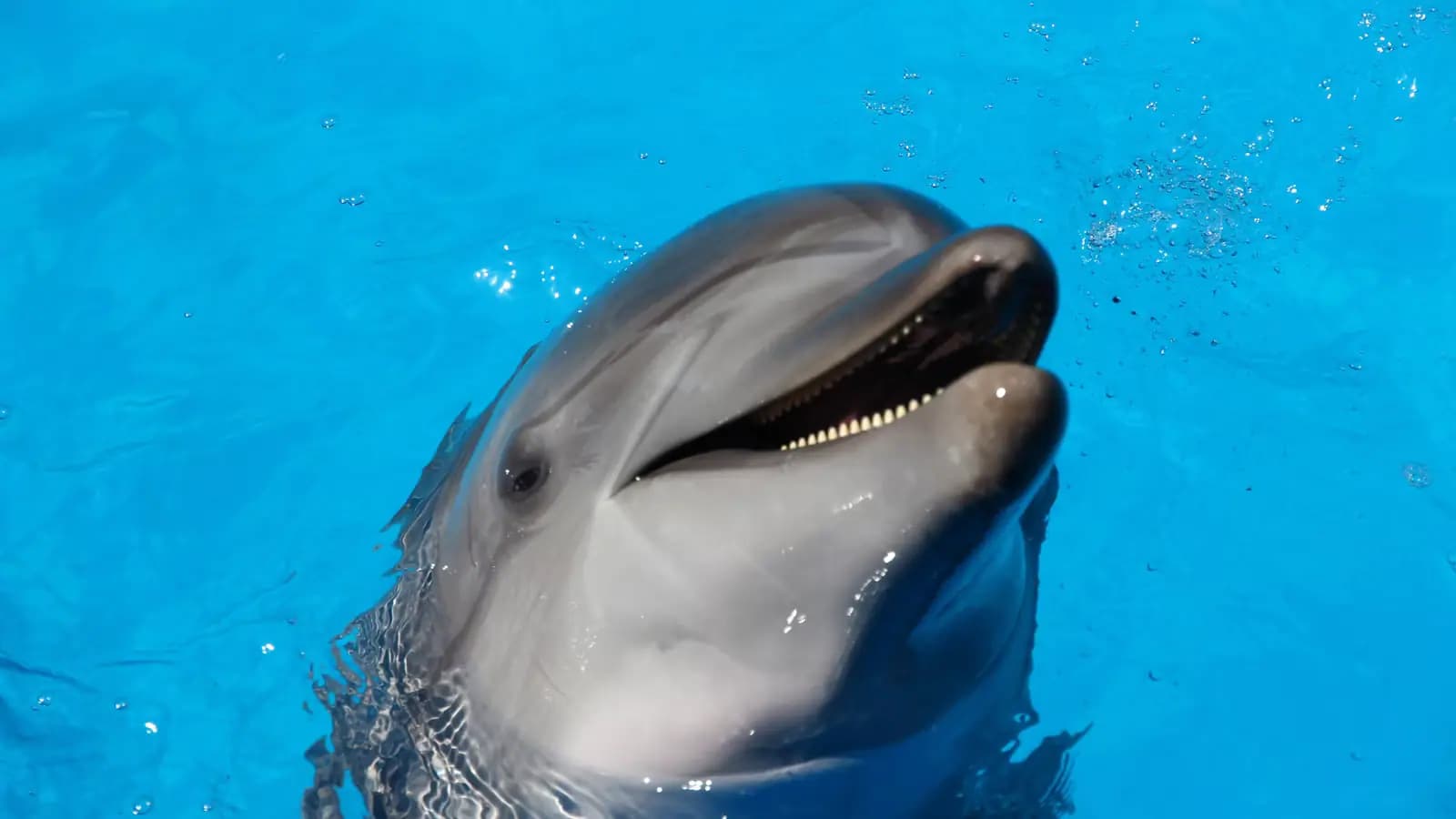
Offshore, Port Royal Sound is deep, cold and productive. Bottlenose dolphins are resident and often visible from the beach; this is also the part of the Lowcountry where strand feeding, in which dolphins drive fish onto a mudbank and follow them up, has been recorded, although it is seen far more reliably around the Beaufort and Bluffton creeks than from this shoreline.

Bring binoculars. On this beach they change the visit completely.

What is here, and what is not

  • Restrooms and outdoor showers at the park, which is more than the north end usually offers.
  • Beach matting across the soft sand, and free beach wheelchair reservations through the Town.
  • A marsh boardwalk with a gazebo, and a shaded palmetto and live oak path to the beach.
  • Free public Wi-Fi.
  • Free overflow parking at Barker Field on Mitchelville Road.

What is not here: no lifeguards, no chair or umbrella rental hut, no food, no shop and no swimming to speak of. This is not one of the island's five designated swimming areas, and the shallow, muddy, shell-strewn bottom makes it a poor choice for a splash-about day even if it were.

Bring water, sunscreen, shoes you can get wet, binoculars and insect repellent. The marsh edge produces no-see-ums at dusk and in still weather, and they are worse here than on the Atlantic beaches.

Tours that visit Fish Haul Creek

Operators run these trips past Fish Haul Creek, or stop there as part of a longer route. We list what the booking data supports — not everything that mentions the name.

Some links below go to Viator, our booking partner. We earn a commission on bookings made through them — at no extra cost to you, and with no influence on what we recommend.

Private and small-group departurespriced per boat or per vehicle, not per person

Near Fish Haul Creek

Straight-line distances, so allow more on the road — the island is long and has one main parkway.

  • A dense scatter of whelk, scallop and clam shells collected on pale sand

    Beach

    Mitchelville Beach

    Free

    North-end sand on Port Royal Sound, thick with shells and driftwood, behind the first self-governed town of freed people in America.

    1.5–4 hoursFree. Parking is free at Historic Mitchelville Freedom Park and paid seasonally at Fish Haul Beach Park.0.2 mi away

  • A broad live-oak canopy with sunlight coming through the branches

    Historic site

    Historic Mitchelville Freedom Park

    Free

    In 1862, formerly enslaved people founded a town here and governed it themselves. Free to enter, and the most important hour on the island.

    1–2 hoursFree. Donations support preservation, interpretation and the ongoing archaeology.0.9 mi away

  • Tall pine trunks and a floor of fallen needles in filtered light

    Historic site

    Fort Howell

    Free

    A five-sided earth fort raised in 1864 by Black Union soldiers to protect the freedmen's town up the road. Free, and usually empty.

    20–40 minutesFree. No ticket, no staff, no gate.1.9 mi away

  • A timber dock reaching out over still water backed by a dark treeline

    Historic site

    Fort Mitchel

    Free

    An 1862 gun battery on a bluff over Skull Creek, inside a gated community — you need a pass at the gate to see it.

    25–45 minutesNo charge at the site itself; the obstacle is gate access, not a ticket.4.5 mi away

Fish Haul Creek: common questions

Can you swim at Fish Haul Creek Park?

You can get in the water, but this is the weakest swimming beach on Hilton Head Island. It faces Port Royal Sound rather than the Atlantic, the bottom is shallow and as much mud and shell as sand, and at low tide the water retreats hundreds of yards. It is not one of the island's five designated swimming areas and there are no lifeguards. Come for shelling, birding and walking; go to Driessen or Coligny to swim.

Is Fish Haul Creek Park good for shelling?

It is the best on the island. The sound-side tidal flats, oyster rakes and long low-water exposure leave whelks, olive shells, arks, scallop fragments and the occasional shark tooth across the sand. Go within two hours either side of low tide and wear shoes, because oyster shell is sharp. Live shells, sand dollars and conchs must be left where they are; the Town's beach regulations name them specifically and enforce the rule.

What birds can you see at Fish Haul Creek Park?

Shorebirds are the draw, and autumn and winter are the strong seasons. Expect black-bellied plovers, willets, dowitchers, dunlin, sanderlings and marbled godwits on the flats, with terns and gulls resting on exposed bars. Herons, egrets and white ibis work the creek edges year-round, clapper rails call from the spartina, and bald eagles and peregrine falcons appear often enough to be worth scanning for. Bring binoculars.

How far is Fish Haul Creek Park from Historic Mitchelville Freedom Park?

A few minutes by car, and they are usually visited together. Both sit at the north end off Beach City Road, and Mitchelville Freedom Park has free parking year-round, historical exhibits, interpretive trails, an observation gazebo and its own beach access. Mitchelville was the first self-governed town of formerly enslaved people in the United States, founded in 1862. The naming of the two sites overlaps locally, so check the address rather than the sign.