Skip to content
Menu

We earn a commission if you book through this link. You pay the same price.

Things to Do

Hilton Head Island Golf

Last updated

Hilton Head Island golf decoded: Harbour Town and the RBC Heritage, which resort courses are open to visitors, booking windows and seasonal rates.

Hilton Head fits roughly two dozen golf courses into 42 square miles, which tells you most of what you need to know about how the island was planned. Charles Fraser's development model put golf at the centre of each community, then hid the fairways behind pines and live oaks so that you can drive the length of the island and barely see a flagstick. The courses are woven between lagoons, marsh edges and residential streets, and the best of them use water and wind rather than length.

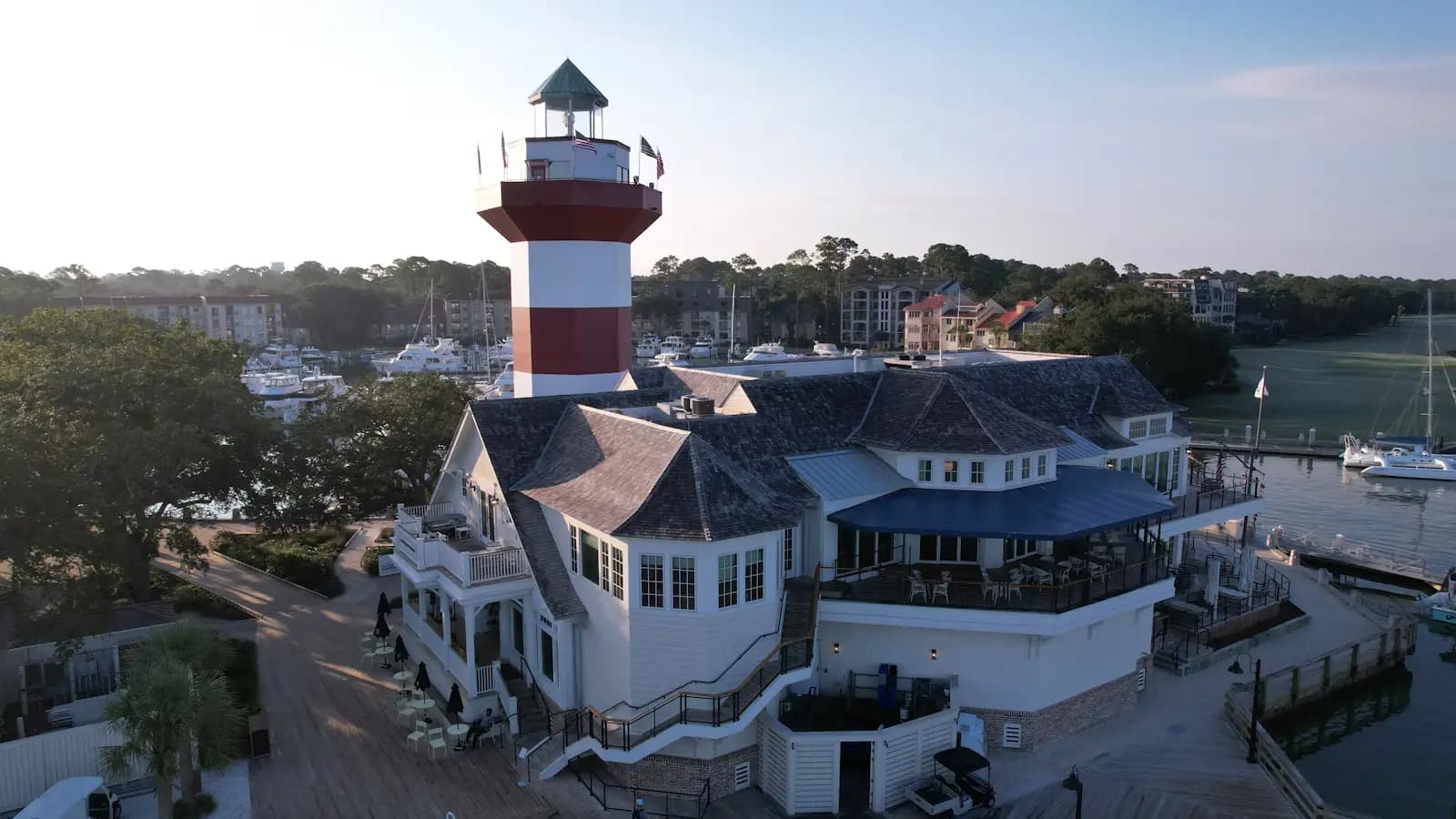
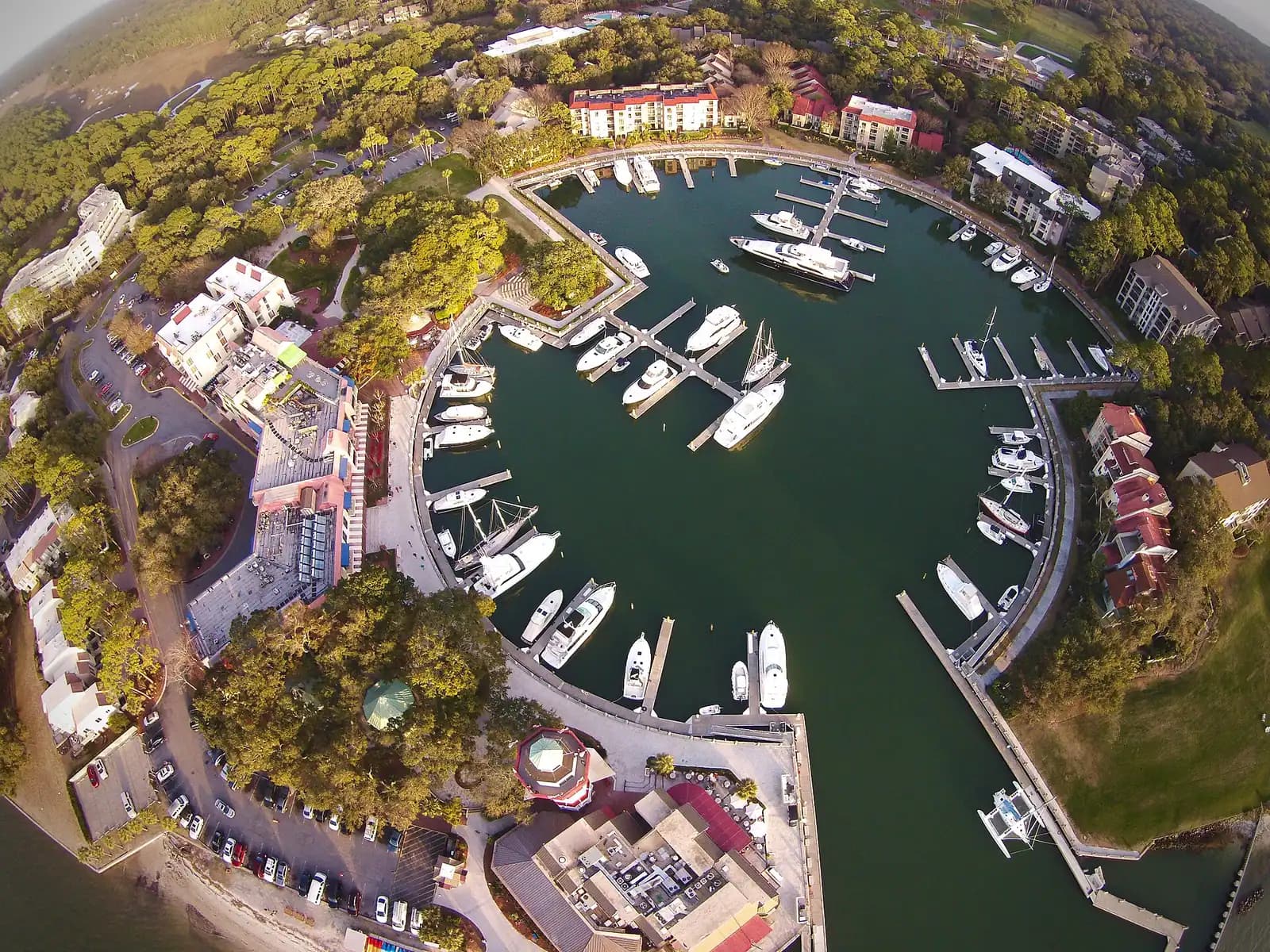
The headline course is Harbour Town Golf Links in Sea Pines, opened in 1969 to a Pete Dye design with a young Jack Nicklaus consulting. It is the course that made the island's reputation and it plays nothing like a modern resort track: narrow corridors between live oaks, some of the smallest greens in championship golf, and a closing stretch that runs out to Calibogue Sound with the red-and-white lighthouse behind the 18th green. Every April it hosts the RBC Heritage, the PGA Tour stop played the week after the Masters, where the winner puts on a tartan jacket rather than a green one. In its current form as a Signature Event it draws a field that used to skip the week entirely.

Below Harbour Town sits a deep bench of resort and daily-fee golf that most visitors will enjoy more per dollar. Sea Pines adds Heron Point, another Dye course, and Atlantic Dunes, rebuilt by Davis Love III and opened in 2016 on the island's oldest golf ground. Palmetto Dunes runs three: the Robert Trent Jones Oceanfront Course from 1967, whose tenth is one of the few holes on the island with an actual ocean view, the George Fazio course, the only par 70 here, and the Arthur Hills layout. Off the resorts, Oyster Reef in Hilton Head Plantation is a Rees Jones course from 1982 with one of the best par threes in the Lowcountry, Port Royal offers Barony and Robber's Row, and Shipyard runs 27 holes in three nines.

What you cannot play matters too. Long Cove, Wexford and the mainland clubs at Colleton River and Belfair are private, members and guests only, and no amount of asking at the pro shop changes that. Plan around the public and resort courses, book earlier than you think you need to for spring, and take the shoulder seasons seriously: the same tee time in late January or early September can cost a third of what it does in April.

Our picks

The ones we would book

  • Editor's Pick

    Best guided golf experience to book ahead

    Why we chose it

    On an island where tee times are booked through the clubs themselves, the bookable inventory worth your money is instruction and playing experiences with a pro. Highest-rated options here tend to include club fitting or on-course coaching rather than a bucket of range balls, which is what actually changes your week.

    Daufuskie Island Ferry and Golf Cart Day Trip

    Ferry & Port Transfers

    Daufuskie Island Ferry and Golf Cart Day Trip (opens in a new tab)

    Editor's PickFree cancellationLikely to sell out
    856 reviews

    Round-trip ferry from Broad Creek plus a cart for the day: no bridge, no cars, no hurry.

    Full day

    Saved listing — live prices unavailablePrices checked

    from $89

Harbour Town, and what it is actually like to play

Harbour Town is open to the public, with priority and preferred rates going to guests of The Sea Pines Resort. It is also, by a clear margin, the most expensive round on the island, and it is worth understanding what you are buying before you book it.

You are not buying length. You are buying precision. The corridors are tight, the trees are genuinely in play, and Dye's greens here are small and often crowned, so an approach that lands fine can still trundle off the side. Scoring comes from position off the tee rather than power, which is why the tournament leaderboard each April tends to reward the accurate rather than the long.

The closing three holes are the reason people come. Sixteen and seventeen bring the wind off Calibogue Sound, and the eighteenth runs along the water toward the lighthouse with a long carry over marsh. On a still morning it is manageable. On a breezy afternoon it is a different hole entirely, and the tee shot most amateurs remember for years.

Caddies and forecaddies are part of the experience here and can be requested when you book. If you are playing once and want to understand the greens, take one. Sea Pines gate access is normally covered by a golf reservation; confirm when you book so you are not paying a day pass on top.

Booking windows, seasons and what you will pay

What it costs

Rates on Hilton Head swing harder by season than almost anything else on the island, so treat every number here as a band and confirm current pricing when you book.

Spring, roughly March to mid-May. Peak. Perfect weather, overseeded fairways, and the highest rates of the year. Harbour Town is in a price category of its own, running into the several hundreds per round in season. Other resort courses commonly sit somewhere in the $100 to $200 range at peak.

Summer, June to August. Hot and humid, with afternoon thunderstorms. Rates fall noticeably and twilight golf becomes the sensible play. Early tee times are not a preference here, they are a survival strategy.

Fall, September and October. The best value-to-conditions ratio of the year. Warm, drier, fewer crowds, and rates well below spring. Ask about aeration schedules, which usually fall in late summer or early autumn and can affect greens for a couple of weeks.

Winter, November to February. Cheapest golf, genuinely playable most days, occasional cold snaps and dormant rough. Some courses overseed and some do not.

Book resort courses 30 to 90 days out for spring; guests of Sea Pines and Palmetto Dunes get earlier access to their own tee sheets, which is a real reason to stay inside a golf community if golf is the point of the trip. Stay-and-play packages are usually better value than booking rounds individually. Around RBC Heritage week in April, Harbour Town effectively leaves the public tee sheet for tournament set-up and play.
RBC Heritage week, and whether to plan around it

When to go

The RBC Heritage lands in mid-April, the week after the Masters, and has been played at Harbour Town since 1969. Its place on the calendar as a Signature Event means a stronger field than the tournament drew for much of its history, and the island fills accordingly.

What that means practically depends on why you are coming.

If you want to watch tournament golf, this is one of the more pleasant events on the Tour: compact, walkable, shaded by live oaks, with the Calibogue Sound holes offering genuinely good spectating. Plaid is the local uniform and people take it seriously without irony. Tickets and parking arrangements are published well ahead; buy early and plan to arrive by shuttle rather than driving to the gate.

If you want to play golf that week, adjust. Harbour Town is unavailable to visitors, other courses are busy, rates across the island peak, and rental rates and restaurant waits follow. The weeks immediately before and after are excellent and considerably calmer.

If you are coming for the beach in April, expect US-278 traffic to be heavier than usual, particularly around the bridges on the Wednesday through Sunday of tournament week.

Dress, pace and local conventions

Local tips

Dress codes are enforced politely but consistently at the resort courses. Collared shirts for men, or a golf-specific mock neck at most clubs. No denim, no cargo shorts, no gym shorts, no tank tops. Soft spikes only. Women's golf attire follows the usual conventions; a collarless golf top is generally fine. If in doubt, the pro shop will tell you and will also sell you the solution at resort prices.

Pace of play on the island runs about four and a quarter to four and a half hours for a fourball, and starters do monitor it. Carts are standard and most courses require you to stay on paths after rain, which slows things down; walking is permitted at some courses and times, generally by arrangement rather than by right.

Two Lowcountry particulars. Alligators live in the lagoons on essentially every course here. A ball beside the water is not worth retrieving, and feeding or approaching an alligator is illegal under South Carolina law. And in spring and autumn evenings, biting midges arrive at dusk near the marsh edges. Insect repellent lives in the golf bag here the way a rangefinder does elsewhere.

Tipping the bag drop, the cart staff and a caddie is customary and expected.

Practice, lessons and golf with children

Local tips

Most of the resort clubs run full practice facilities and teaching operations, and lessons here are easier to book than a peak tee time. Palmetto Dunes and Sea Pines both run academies with short-game areas and video work, and an hour with a teaching pro on arrival day is a better use of money than an extra round for most mid-handicappers.

For families, the options are more varied than the island's reputation suggests. Several clubs offer junior rates and family tee times, and a nine-hole afternoon on a quieter course is usually more successful with a ten-year-old than an 18-hole morning. Clubs are available to rent at every resort course, which matters if you are flying in and would rather not pay to check a bag.

Beginners should look at the shorter, more open layouts rather than the famous ones. The point of a first round on Hilton Head is to enjoy being outside among live oaks and lagoons, not to lose a dozen balls in Pete Dye bunkering.

There are also mini golf courses on the island, several of them elaborate, and they are a legitimate answer for an evening with young children who are not yet ready for a real course.

Book it

Everything else we track

We could not find tours matching this right now

Nothing came back for golf. Operators add and retire experiences constantly, so this list changes week to week. Try a broader category, or come back in a day or two.

The courses you can actually book, and what each asks of you

How they compare

CourseWhereWhat it asksWho it suits
Harbour Town Golf LinksSea PinesAccuracy off the tee, nerve on 18Golfers who want the island's signature round and will pay for it
Heron PointSea PinesAnother Dye test: bunkering, angles, waterBetter players wanting Dye without Harbour Town pricing
Atlantic DunesSea PinesWidth off the tee, sand and native areasMid-handicappers; the most forgiving of the Sea Pines three
Robert Trent Jones OceanfrontPalmetto DunesOpen corridors, lagoons, windVisitors wanting a scenic, playable resort round with an ocean view hole
George FazioPalmetto DunesLong par fours, bunkering; the island's only par 70Low handicappers who want a genuine test
Arthur HillsPalmetto DunesElevation changes through dunes and lagoonsPlayers who like variety over raw difficulty
Oyster ReefHilton Head PlantationTree-lined fairways, big greens, one superb par three toward Port Royal SoundGood value on the north end
Barony and Robber's RowPort RoyalCobb-era shapes at Barony, a Dye redesign at Robber's Row over Civil War groundGolfers wanting two contrasting rounds at one club
Shipyard (three nines)ShipyardWater on most holes, flexible 18-hole combinationsConvenient mid-island golf close to the beach

If you are playing three rounds in a week, a defensible order is one resort course early to find your swing, Harbour Town in the middle when you are sharp, and something relaxed on the last day.

On the ground

Where to go

Every place below has its own page — hours, parking, what it costs and what to expect when you get there.

  • Small boats moored on clear shallow water beside a sandbank, seen from above

    Marina

    Harbour Town

    A yacht basin on Calibogue Sound, a three-centuries-old live oak, and the island's most photographed stretch of low wooden shopfronts.

    1–3 hoursNo charge to walk the harbour, but Sea Pines charges a daily gate pass per vehicle to enter the community.

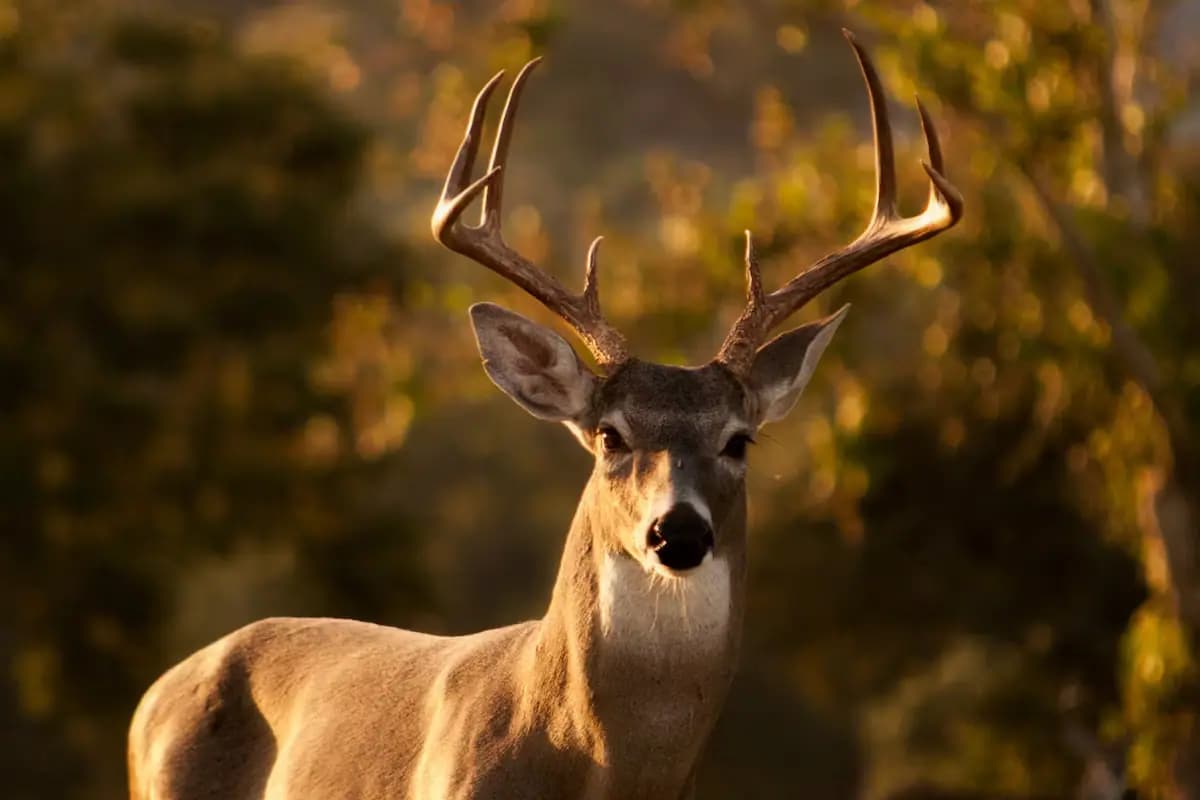
  • A white-tailed buck standing among trees in low golden light

    Nature preserve

    Sea Pines Forest Preserve

    Free

    Six hundred and five acres of trails, lagoons and a 4,000-year-old shell ring — free to walk, once you have paid the Sea Pines gate.

    1–3 hoursFree to enter — but non-residents pay the Sea Pines daily gate pass to drive in

  • Palm trees silhouetted against a pink and violet sunset above calm water

    Water feature

    Palmetto Dunes Lagoon System

    Eleven miles of interconnected flat water that never goes out with the tide — the island's most forgiving place to learn to paddle.

    1–3 hoursNo charge to enter for the outfitter; kayak and canoe rental is paid by the hour

  • Calm coastal water under a low sun with seabirds crossing the sky

    Landmark

    Harbour Town Lighthouse

    114 steps up a red-and-white tower nobody asked the Coast Guard for, with an island history museum stacked on the landings.

    0.5–1 hoursA small per-person admission to climb, on top of the Sea Pines gate pass charged per vehicle at the community entrance.

  • Tall pine trunks with sunlight falling across a needle-covered forest floor

    Neighbourhood

    Sea Pines Resort

    Five thousand acres behind a gate: the pass costs one thing and nearly everything good inside costs another. How it works.

    3–8 hoursDaily gate pass charged per two-axle vehicle; activities inside cost extra.

Straight answers

Questions people actually ask

How many golf courses are there on Hilton Head Island?

Roughly two dozen courses sit on or immediately around the island, with more on the mainland at Bluffton. They divide into resort and daily-fee courses that visitors can book, such as the Sea Pines and Palmetto Dunes courses, Port Royal, Shipyard and Oyster Reef, and private clubs including Long Cove and Wexford that are open to members and their guests only. Plan your trip around the public and resort side.

How much is a round of golf on Hilton Head?

It depends heavily on season and course. At peak in spring, resort courses commonly run in the region of $100 to $200, while Harbour Town sits in its own category and can reach several hundred. Summer, autumn and winter rates fall substantially, and twilight rounds cost less again. Stay-and-play packages usually beat booking individually. Verify current pricing directly with the club before you travel.

What is the best time of year for golf on Hilton Head?

March to mid-May has the best conditions and the highest prices. September and October are the value pick: warm, drier than summer, fewer people, and rates well below spring. Summer is playable if you tee off early and accept afternoon thunderstorms. Winter is the cheapest golf of the year and usually pleasant, with occasional cold snaps and dormant rough.

Is there a dress code at Hilton Head golf courses?

Yes, and it is enforced. Expect to need a collared or golf-specific mock neck shirt, tailored shorts or trousers, and soft spikes. Denim, cargo shorts, gym shorts and tank tops are not accepted at the resort courses. Pro shops will sell you a compliant shirt if you arrive in the wrong thing, at resort prices.

How far in advance should you book tee times?

For spring, 30 to 90 days out is sensible, and earlier for Harbour Town. Guests of Sea Pines and Palmetto Dunes get access to their own tee sheets before outside players, which is a genuine argument for staying inside a golf community if golf is the point of the trip. In summer and winter, a week ahead is usually enough for most courses.

Can you get a caddie on Hilton Head?

Caddie and forecaddie service is available at Harbour Town and can be requested when you book your tee time. If you are playing the course once and want to understand greens that small and that subtle, it is money well spent. Most other courses on the island are cart golf, with walking permitted at some clubs and times by arrangement rather than as standard.

Are there alligators on Hilton Head golf courses?

Yes. Essentially every course here has lagoons and essentially every lagoon has alligators. They are normally indifferent to golfers and cause no problems if you leave them alone. Do not retrieve balls from the water's edge, keep well back if one is on a bank, and never feed or approach one: feeding an alligator is illegal in South Carolina and is what turns a wild animal into one that must be removed.