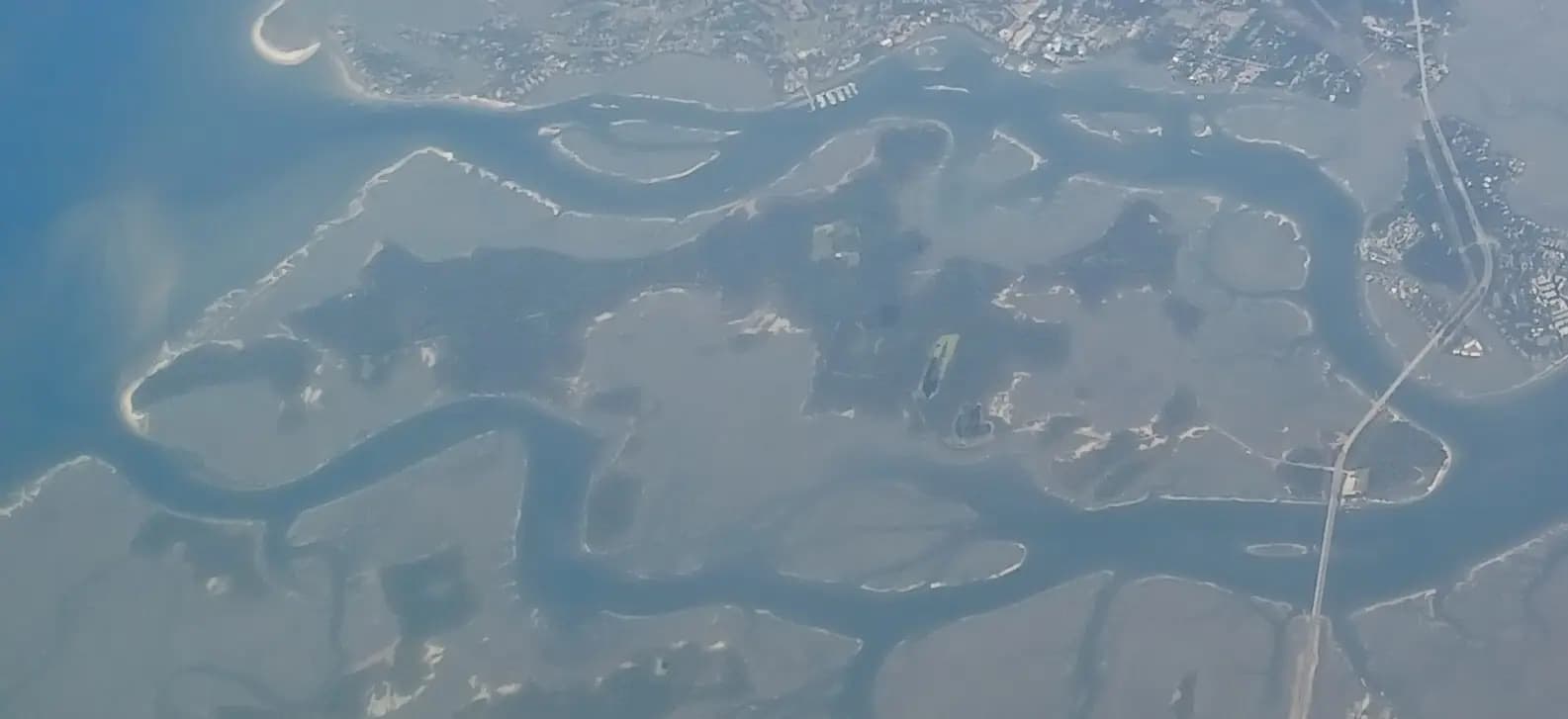
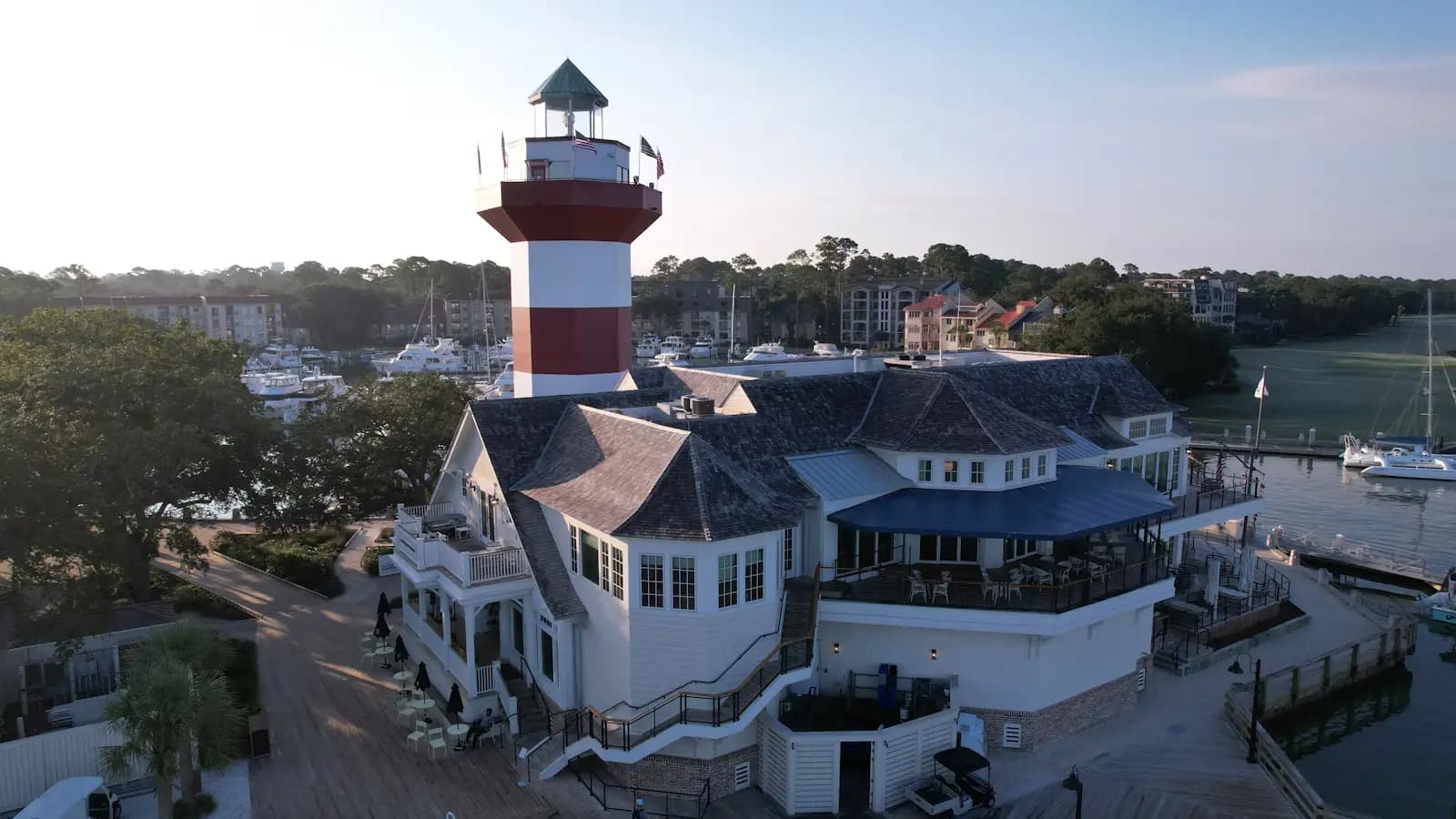
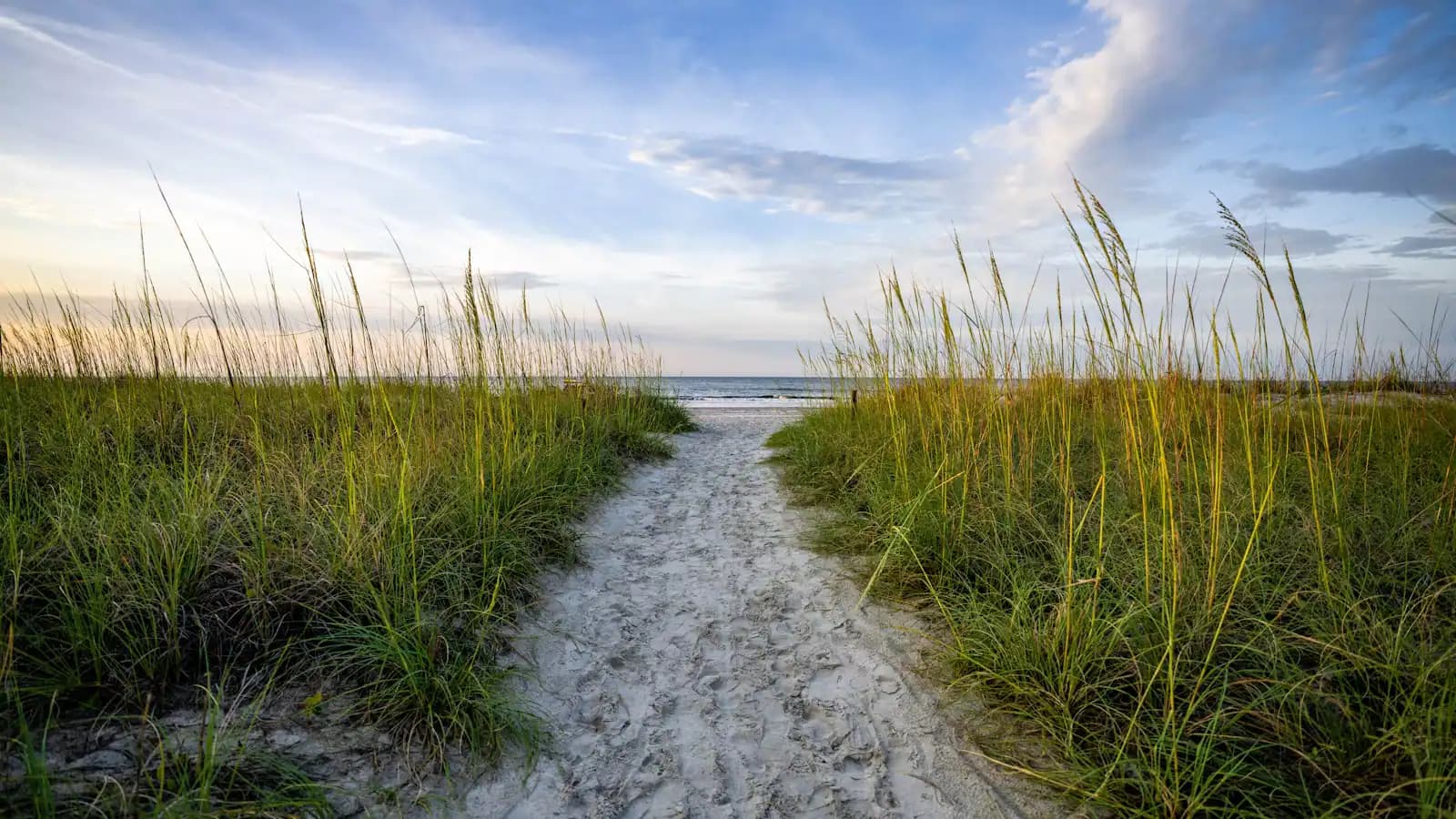
Sea Pines occupies the whole southern tip of Hilton Head Island — roughly five thousand acres of pine and live oak between the Atlantic, Calibogue Sound and Braddock Cove. It matters far beyond its fence line, because it is where the island's development rules were invented. Charles Fraser began building here in the late 1950s with a set of ideas that were close to eccentric at the time: bury the utilities, cap the building height below the treeline, forbid illuminated signs, set houses back from the beach, and keep the trees. Those rules spread to the rest of the island and are the reason Hilton Head does not look like Myrtle Beach.
For a visitor the practical question is simpler. Sea Pines is gated, and you buy a day pass at the gate, charged per two-axle vehicle, not per person. It is valid for the calendar day, so you can go out for lunch and come back. There are two public entrances: the Greenwood Gate on Greenwood Drive, off the Sea Pines Circle, and the Ocean Gate off Cordillo Parkway onto North Sea Pines Drive. Day visitors cannot ride in on a bicycle.
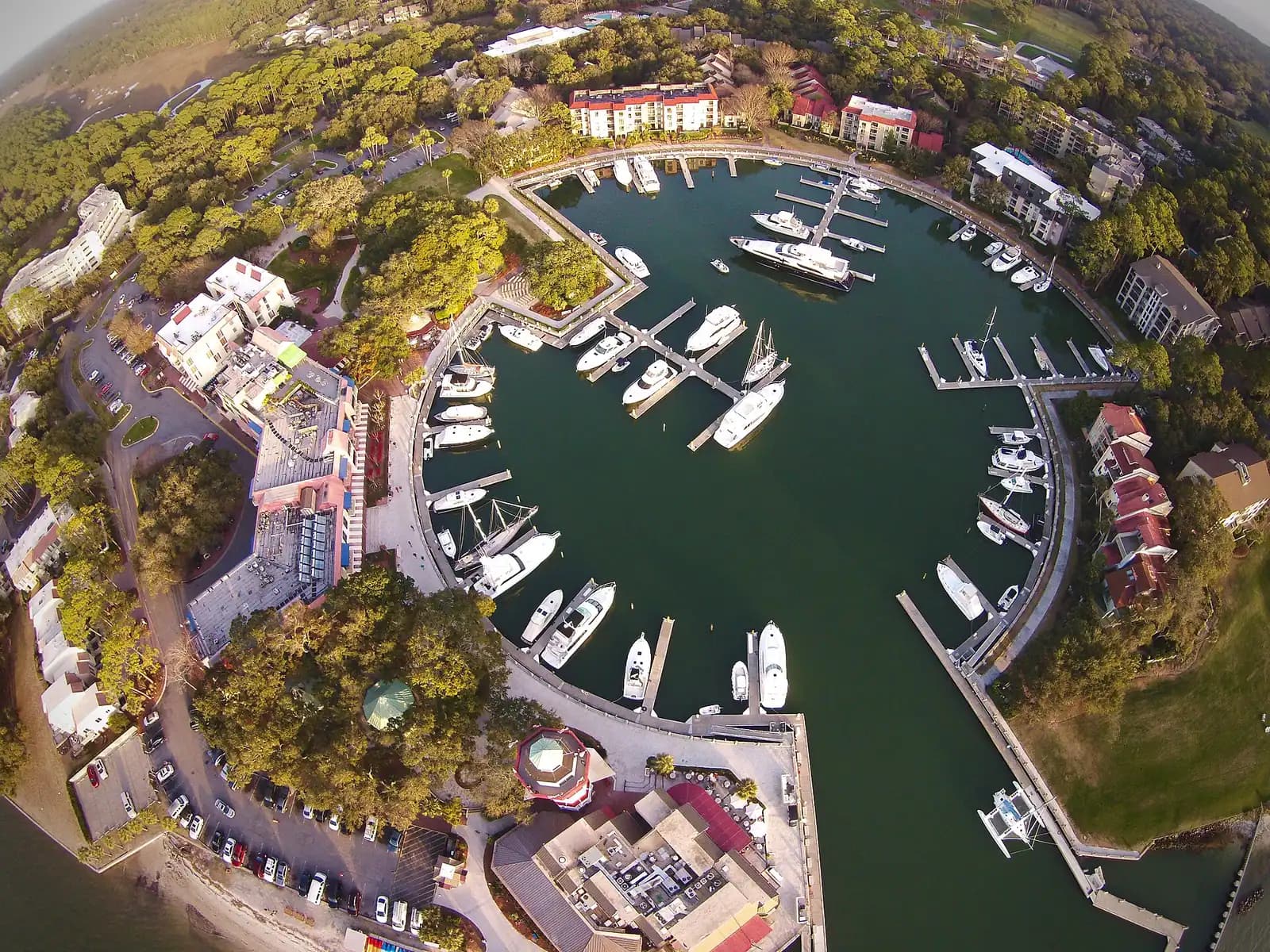
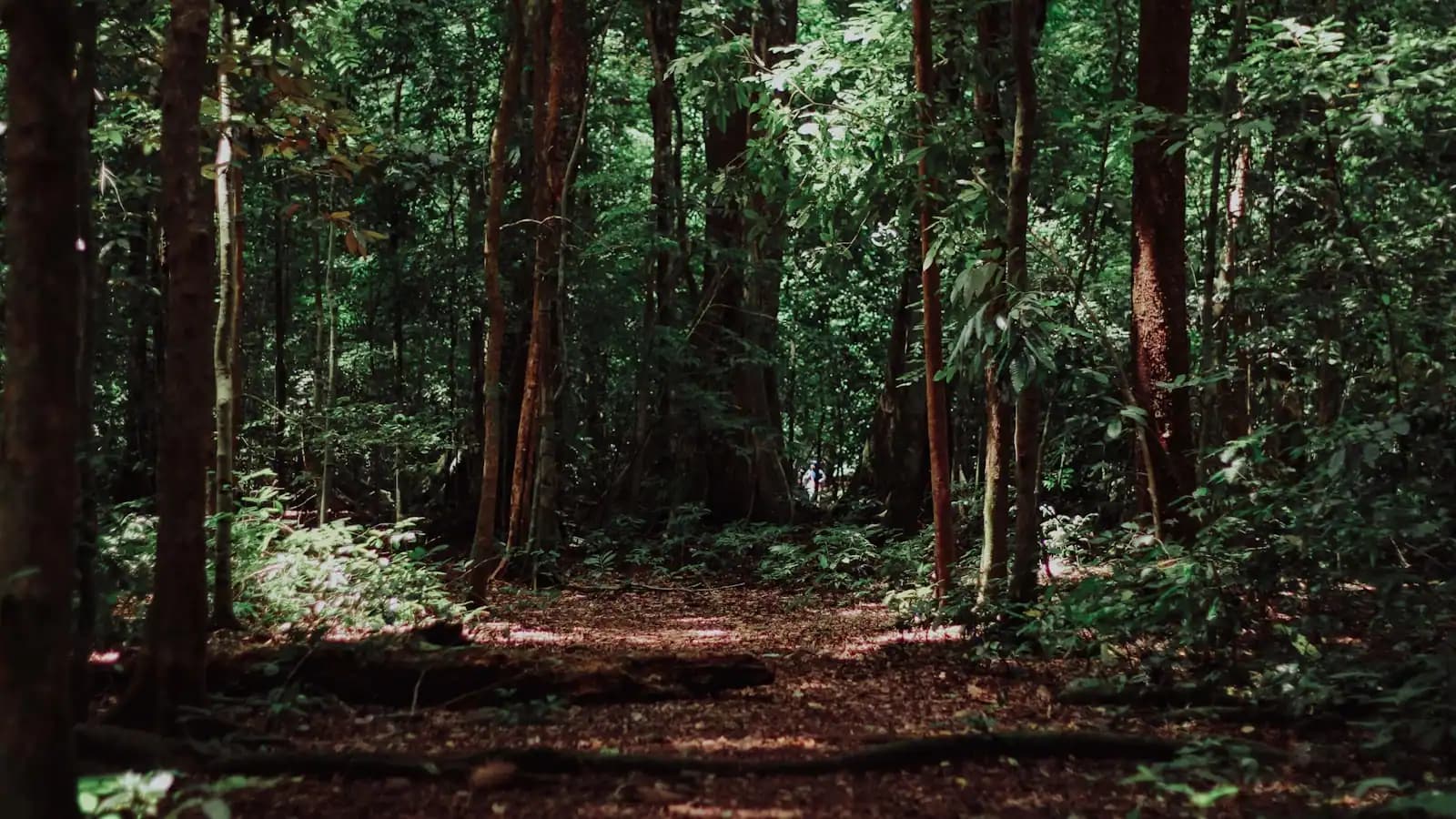
What the pass buys you is access, not admission. Inside are Harbour Town and its yacht basin, the Harbour Town Lighthouse (separate ticket), the 605-acre Sea Pines Forest Preserve with its alligator lagoons and its roughly four-thousand-year-old Native American shell ring, the Stoney-Baynard Ruins, Lawton Stables, South Beach Marina at the Calibogue end, three golf courses including Harbour Town Golf Links, around fifteen miles of leisure trails, and several miles of beach. Almost all of the activities carry their own charge on top.
The honest summary: the gate fee is worth it if you are spending half a day or more inside, and poor value if you are driving in to photograph a lighthouse and leaving. On the north end of the island, an equivalent morning at Coastal Discovery Museum or Mitchelville costs nothing.