Parasailing
Parasailing Flight over Hilton Head Island (opens in a new tab)
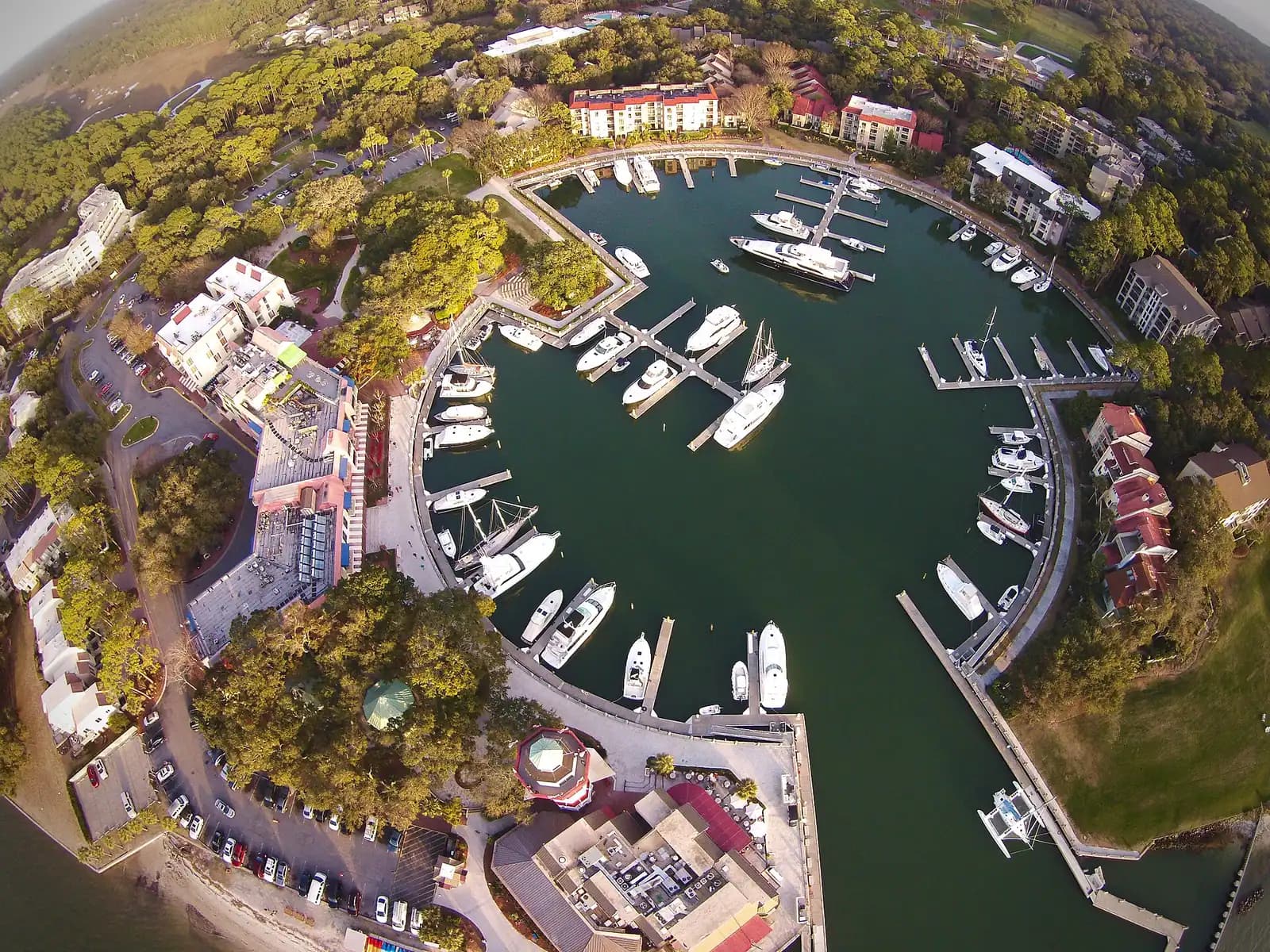
Four hundred feet up, dry feet the whole way, and the entire boot-shaped island laid out beneath you.
1 hour
Saved listing — live prices unavailablePrices checked
We earn a commission if you book through this link. You pay the same price.
Museum
Last updated
Sixty-eight acres of marsh boardwalk, live oak allee and camellia garden, free to walk, with the island's best interpretation indoors.
Photo: FranzKafkasWikiCC BY 4.0
Honey Horn is the piece of the island that shows you what all of it looked like before 1956. Sixty-eight acres of maritime forest, salt marsh, pasture and garden sit on the north end just off William Hilton Parkway, and the Coastal Discovery Museum — a Smithsonian Affiliate — runs the whole property as its campus. Admission to the museum and grounds is free, with donations encouraged.
The land was a working plantation and later a private estate, and the Discovery House at its centre, begun in 1859, is the oldest wooden structure on Hilton Head Island. Union forces used it during the occupation. Inside now are the permanent exhibits on Lowcountry ecology and island history, a rotating gallery of regional art, the museum store and a children's area. Start here for twenty minutes and then go outside, because outside is the point.
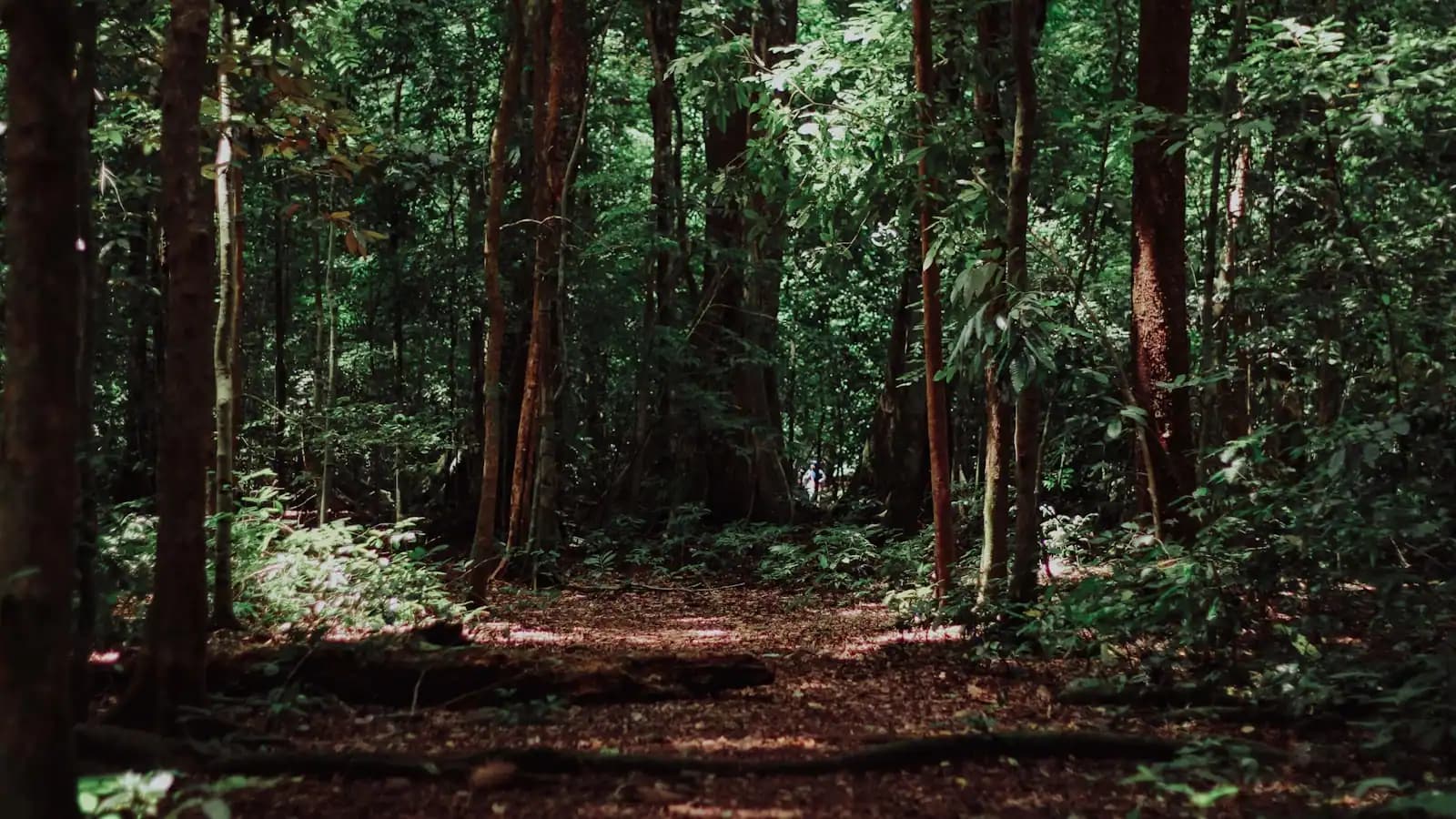
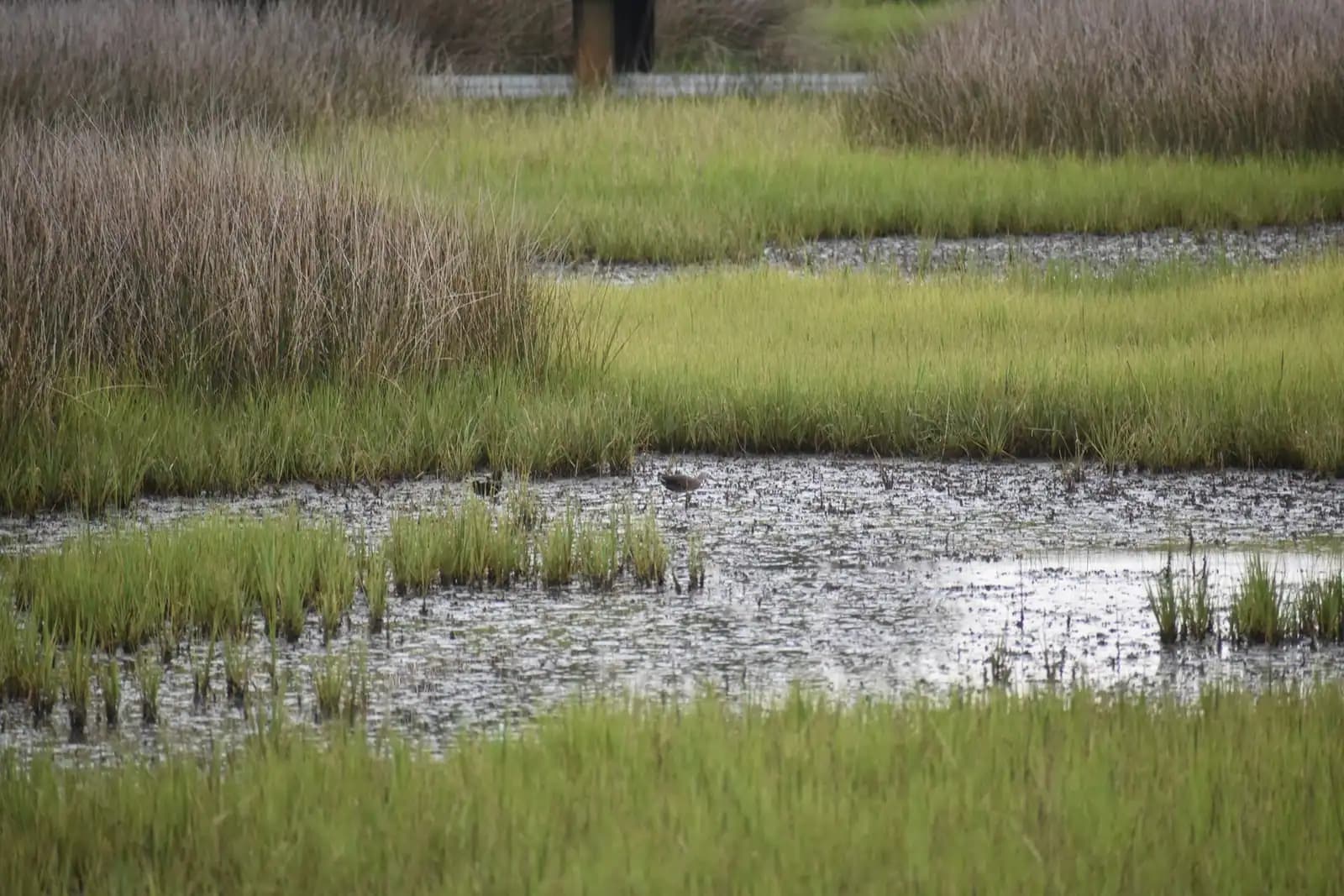
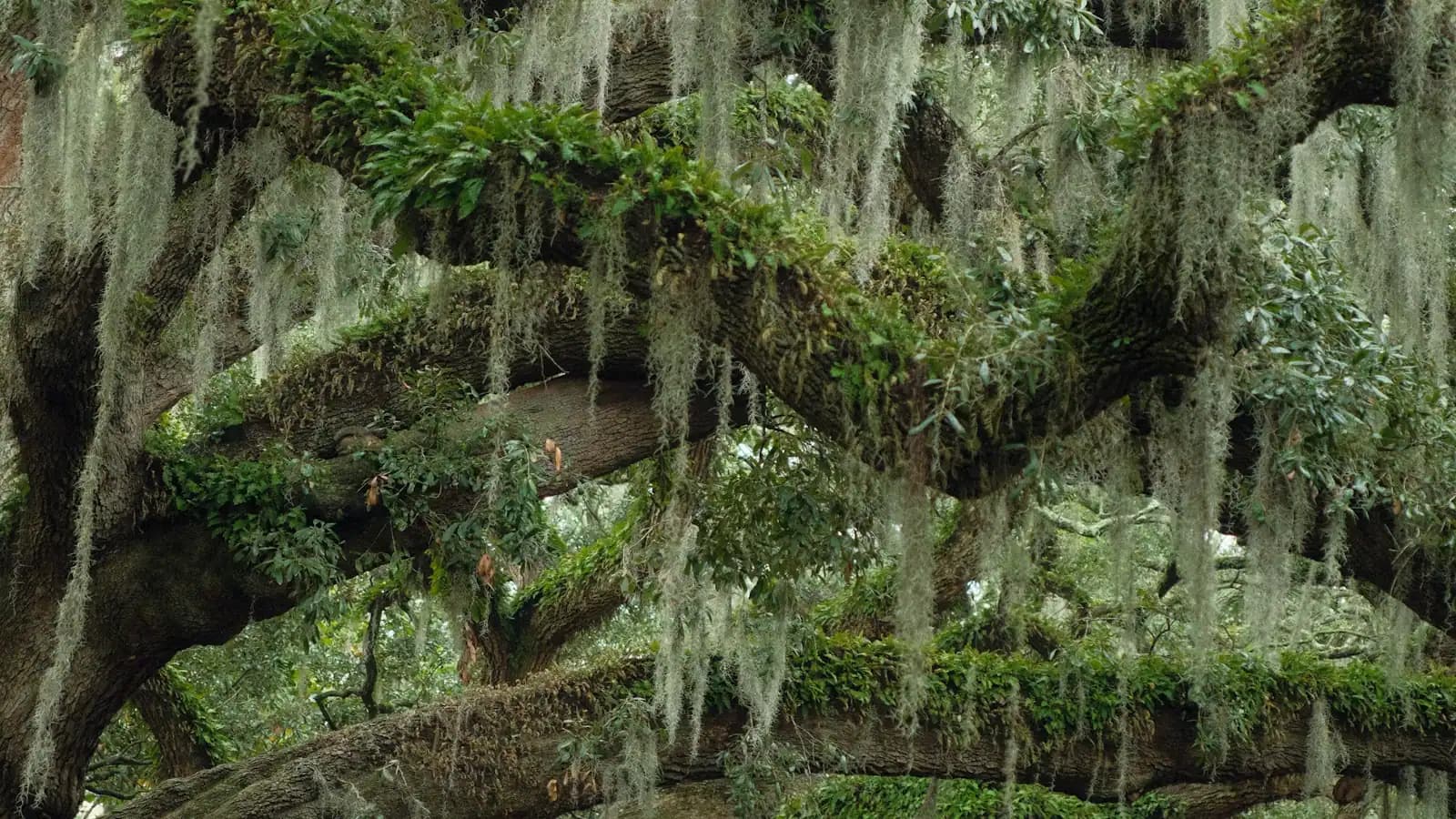
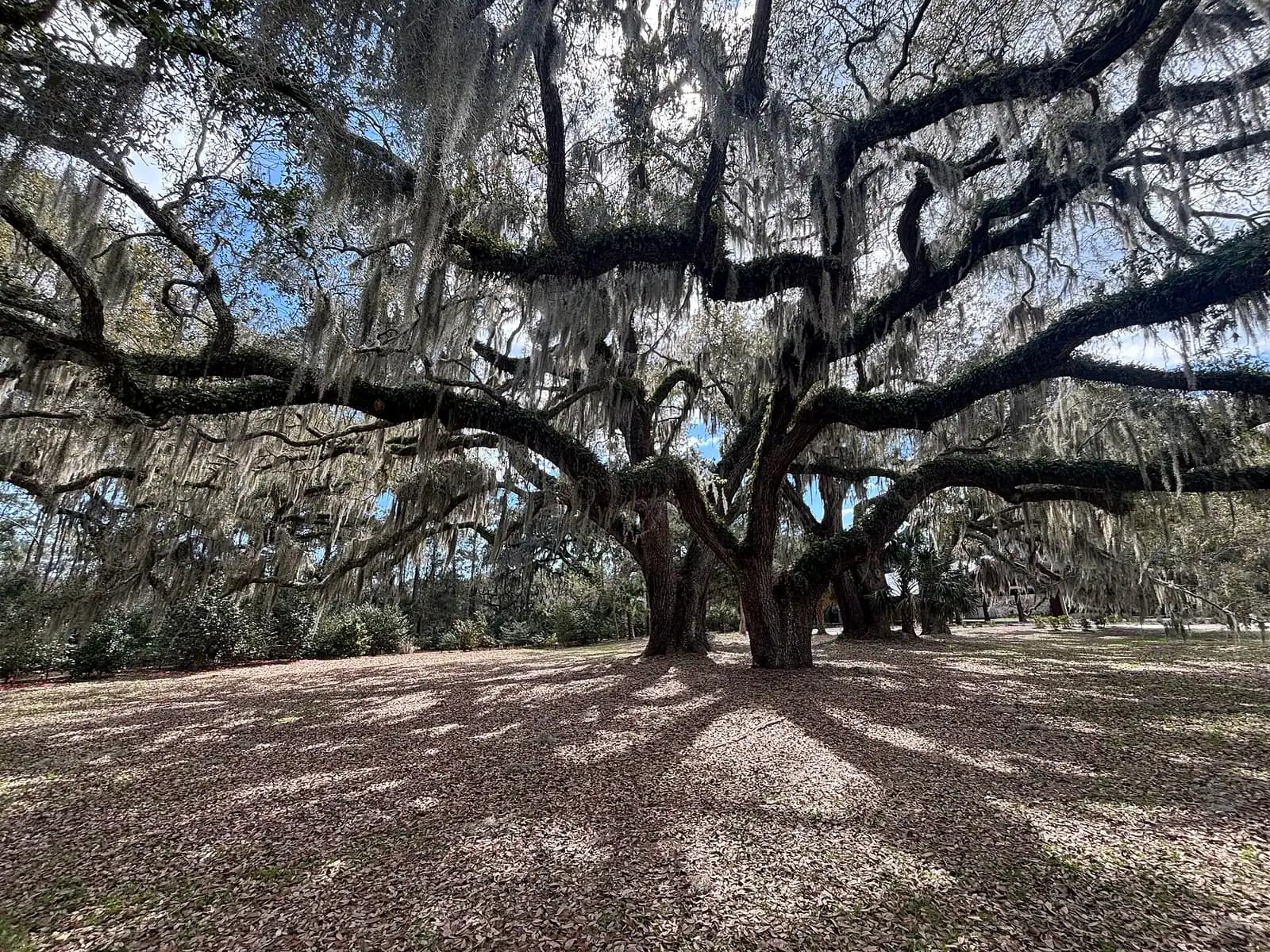
An allee of live oaks runs up toward the house, heavy with Spanish moss. Three boardwalks push out into the salt marsh on Jarvis Creek, with interpretive panels that explain how the marsh works and how Gullah Native Islander families fished, oystered and made a living from it. The camellia garden holds well over a hundred varieties and does its work in winter, when nothing else on the island is flowering. The butterfly habitat is stocked with native species and is generally active from around May to October. There is a dragonfly pond, a heritage vegetable garden, and two resident Carolina Marsh Tackies — the small, tough colonial-era horse that is South Carolina's state heritage horse, descended from Spanish stock and nearly extinct.
Programmes are where the museum earns its keep: guided marsh and birding walks, beach discovery sessions, kayak trips, a weekly Marsh Tacky tour, and the departure point for the family-run Gullah Heritage Trail Tours. Those are ticketed and most need booking.
For a rainy morning, a slow first day, or a family with a four-year-old and a grandparent in the same car, this is the most reliable stop on the island.
Honey Horn is on the north end, just off William Hilton Parkway (US-278) near the Cross Island Parkway junction — one of the first things you pass after crossing onto the island. The entrance is signposted onto Honey Horn Drive.
Parking is free and generous, including accessible bays close to the Discovery House. Allow around 15 minutes from Coligny and 20 to 25 from Harbour Town. The island's leisure trail network reaches the area, and the site is a sensible bike destination from the north-end resorts. If you are arriving on the island for the first time and your rental is not ready, this is the obvious place to spend the gap.
Give it ninety minutes and take it in this order.
The Discovery House first, for context. The permanent exhibits explain the marsh, the barrier island system and the island's human history in about the right amount of detail, and they set up everything you will see outside. The art gallery rotates, so it is worth a look regardless of what you think of regional painting.
The live oak allee and the gardens next. The camellia garden is the one to prioritise between November and March, when it is the most interesting thing in flower anywhere on the island. The heritage garden shows the crops that were actually grown here — including Sea Island cotton, the long-staple variety grown only on these barrier islands, which made this coast rich and was worked by enslaved people.
The marsh boardwalks last, and time them to low tide if you can. At high water the marsh is a flat green lawn of spartina; at low water it is mud, fiddler crabs by the thousand, oyster rakes, wading birds and the smell of sulphur that locals call pluff mud. It is a completely different place, and low tide is the interesting one.
Free: entry to the museum building, the permanent and rotating exhibits, the museum store, the grounds, the gardens, the marsh boardwalks, the butterfly habitat and parking. Donations are asked for rather than required, and they are what keeps it free.
Ticketed: guided programmes. That includes marsh and birding walks, beach discovery sessions, kayak and boat trips, the weekly Marsh Tacky tour, lectures and workshops, and the Gullah Heritage Trail Tours that depart from the site. Prices vary by programme and most require advance booking, particularly in spring and autumn.
Opening hours have generally run from mid-morning through late afternoon, six days plus a shorter Sunday, but they shift and the museum closes on some public holidays. Check the current schedule before you drive over, especially if you are coming for a specific programme — the programme calendar changes weekly and popular walks fill.
This is a genuinely good wildlife site rather than a landscaped one. On the marsh boardwalks expect great and snowy egrets, great blue herons, white ibis, clapper rails heard more often than seen, and fiddler crabs in numbers that startle people the first time. Ospreys nest in the area and hunt over the creek.
In the maritime forest, look for painted buntings in summer — an absurdly coloured bird that most visitors have never heard of and that breeds on this coast — plus woodpeckers, cardinals and, in winter, a lot of migrant songbirds.
The butterfly habitat, active roughly May to October, is stocked with native species rather than tropical imports, so what you see there is what is flying outside: gulf fritillaries, monarchs on migration, swallowtails.
Alligators are present in ponds across the island and can turn up here. Keep back from water edges, keep children close on the boardwalks and never feed one.
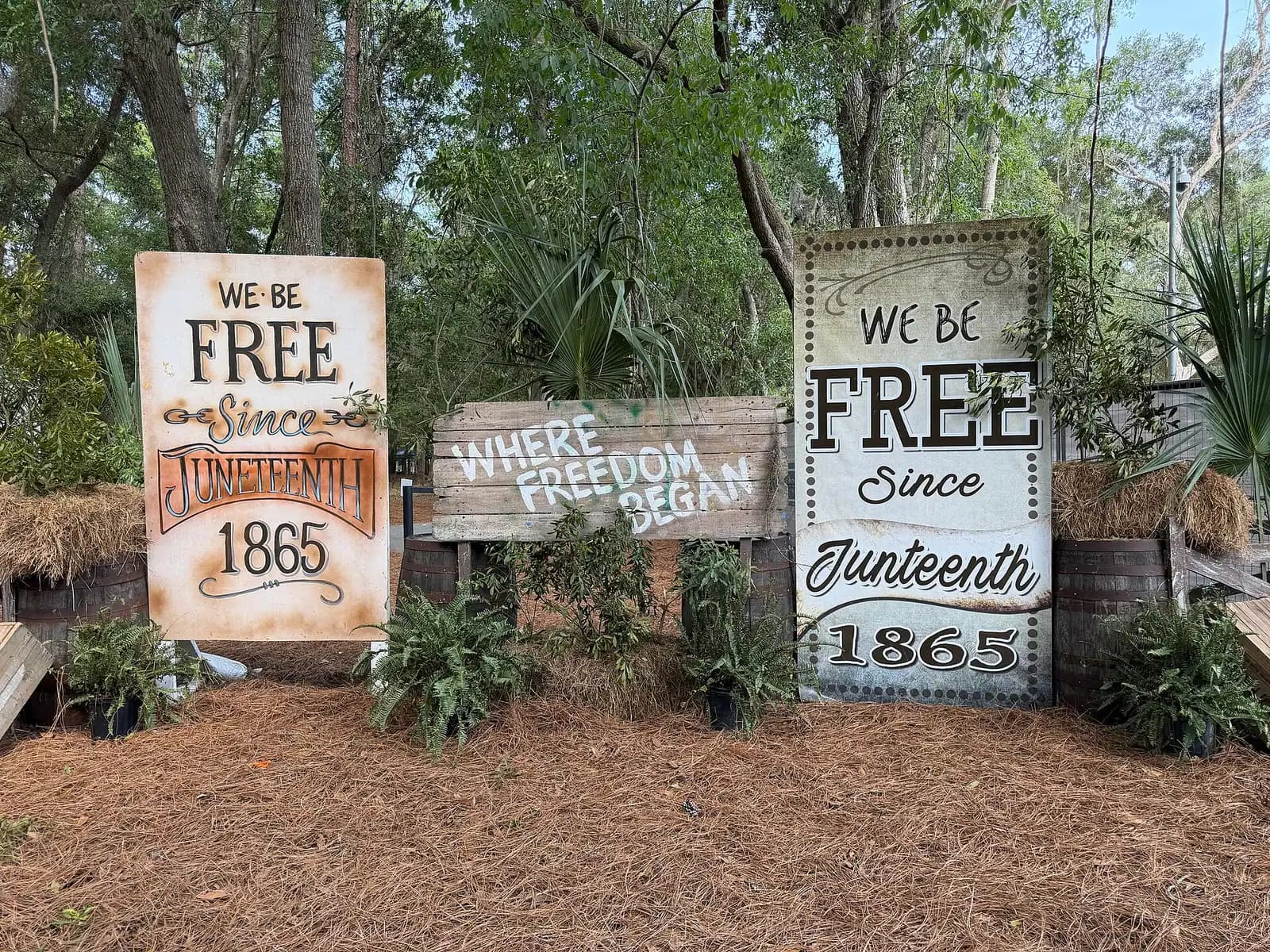
The Gullah Heritage Trail Tours departing from here are the single best add-on: roughly two hours, air-conditioned, narrated by Native Islanders, and they take you into the island's historic Gullah neighbourhoods rather than past them.
Operators run these trips past Coastal Discovery, or stop there as part of a longer route. We list what the booking data supports — not everything that mentions the name.
Some links below go to Viator, our booking partner. We earn a commission on bookings made through them — at no extra cost to you, and with no influence on what we recommend.
Parasailing
Four hundred feet up, dry feet the whole way, and the entire boot-shaped island laid out beneath you.
1 hour
Saved listing — live prices unavailablePrices checked
Dolphin & Whale Watching
The whole boat, your own schedule: two hours with a private captain working Skull Creek and Port Royal Sound.
2 hours
Saved listing — live prices unavailablePrices checked
Sunset Cruises
Just the two of you and a captain who knows exactly where to be when the light goes gold.
2 hours
Saved listing — live prices unavailablePrices checked
Day Trips & Excursions
Up to six guests, your own driver-guide, and an itinerary you can rewrite at lunchtime.
Full day
Saved listing — live prices unavailablePrices checked
Straight-line distances, so allow more on the road — the island is long and has one main parkway.

Park
A paved mile around an 11-acre lake, a free fishing dock and no parking meter in sight — the island's most useful ordinary park.
1–2 hoursFree, with free parking0.7 mi away

Historic site
A shell embankment thrown up around a fortified village six centuries ago, three acres off Squire Pope Road. Nearly always empty.
20–45 minutesFree. A state heritage preserve with no ticketing and no staff on site.1.1 mi away

Wildlife
Four thousand free acres on the causeway, wading birds by the hundred at Ibis Pond, and not a restroom or water tap anywhere.
1–4 hoursFree — no entry fee and no parking charge1.2 mi away

Historic site
In 1862, formerly enslaved people founded a town here and governed it themselves. Free to enter, and the most important hour on the island.
1–2 hoursFree. Donations support preservation, interpretation and the ongoing archaeology.3.6 mi away
Where this place fits into a day, and the pages that plan one.

Guide hub
Hilton Head's attractions are not scattered at random, and the single most useful thing you can learn before arriving is where they sit. The island…

Plan your trip
The short version: May and October are the two best weeks-worth of the year on Hilton Head Island, and if you have a choice, take one of them. Both…

Who it suits
Hilton Head Island was planned around families, which is a different thing from being built for children. There are no waterslide towers on the…

Budget
Hilton Head is an expensive place to stay and a surprisingly cheap place to spend a day, provided you understand one distinction that most lists…

Things to do
Hilton Head is a barrier island that was developed with an unusual instruction: keep the trees. The building-height and sign ordinances that stop…

Who it suits
Most visitors arrive on Hilton Head believing its history begins with golf. It begins with a shell ring in the Sea Pines Forest Preserve that Native…

Guide
Loggerhead sea turtles have been coming ashore here for far longer than the island has had visitors. What the season involves, what the rules ask of you, and what to do if you meet one.
8 min readTom Brantley

Guide
Hilton Head is one of the easiest family beach destinations on the Atlantic coast, mostly because of its bike paths and its flat, wide sand. What changes with your children's ages is the logistics.
9 min readMarisa Delgado

Guide
Hilton Head has one of the most significant Gullah Geechee communities in the United States, and it is a living one. Where its history happened, who to learn it from, and how to be a decent guest.
10 min readRenée Osei
Yes. Entry to the museum building, the exhibits and the full 68-acre Honey Horn grounds is free, and so is parking. Donations are encouraged and are what keeps it that way. Guided programmes — marsh and birding walks, kayak trips, the Marsh Tacky tour, lectures, and the Gullah Heritage Trail Tours that depart from here — are ticketed separately and usually need booking.
Ninety minutes is a good visit: twenty minutes in the Discovery House for context, then the live oak allee, the gardens and the marsh boardwalks. An hour works if you skip the gardens. If you book a guided programme on top, budget two and a half to three hours in total.
Mid-morning, and ideally at low tide. The three boardwalks over Jarvis Creek are the highlight, and at high water the marsh is a flat green lawn while at low water it is fiddler crabs, oyster rakes, wading birds and exposed mud. Check a tide table for Hilton Head before you choose your slot — the difference is substantial.
Yes, and unusually so. The main paths and boardwalks are flat and stroller-friendly, there is a children's area indoors, the butterfly habitat is a genuine hit from around May to October, and there are two resident Carolina Marsh Tacky horses. Because entry is free, a short visit costs nothing if attention runs out early.
The Carolina Marsh Tacky is South Carolina's state heritage horse: a small, hardy breed descended from horses brought by Spanish colonists, used for centuries on these islands for farm work, hunting and marsh travel, and now rare. The museum keeps two on the property and runs a ticketed weekly tour about them — one of the few places a visitor is likely to meet the breed at all.