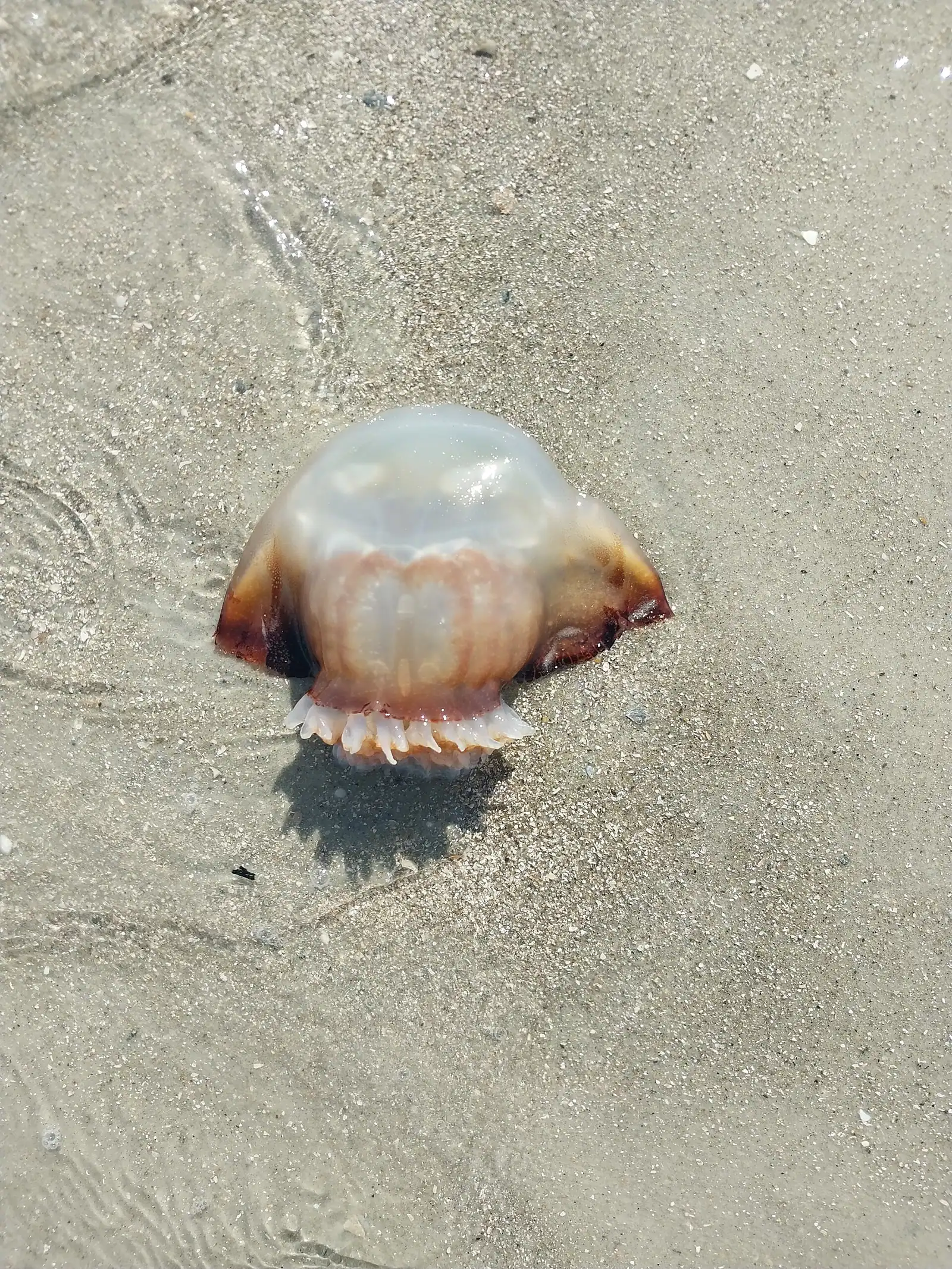
Beach
Coligny Beach Park
Free
The island's busiest access: free parking, real changing rooms, rental chairs, and a lot that is gone by ten in July.
2–6 hoursFree. Parking is free too, year-round, unlike every other Town beach park.
These bookings run through Viator, who pay us a commission. Your price does not change, and neither does the order they appear in.
Attraction directory
Last updated
Every attraction on Hilton Head Island, grouped by north end, mid-island and Sea Pines, with the gate pass, parking and free-entry realities explained.
Hilton Head's attractions are not scattered at random, and the single most useful thing you can learn before arriving is where they sit. The island runs roughly twelve miles from the bridges at the north to Sea Pines at the south, shaped like a boot with the toe pointing southwest into Calibogue Sound. One road carries almost all of it: William Hilton Parkway, US-278, from the causeway down to Sea Pines Circle, with the Cross Island Parkway cutting the corner across Broad Creek. Nothing here announces itself. The town's sign ordinance keeps lettering small and unlit and the building-height rules keep everything below the pines, so attractions appear as a modest wooden sign and a gap in the trees. You will overshoot at least one turn.
Think of the island in three bands. The north end, from the bridges down past Folly Field, is the historical and ecological half: Historic Mitchelville Freedom Park, Fish Haul Creek Park with its shell-strewn low-tide flats, the Coastal Discovery Museum on the 68-acre Honey Horn property, Green's Shell Enclosure and, just off the island on the causeway, Pinckney Island National Wildlife Refuge. It is the quietest band and the one visitors skip most often, which is a mistake.
Mid-island, the stretch either side of Broad Creek, is where the working island lives. Shelter Cove Harbour and Palmetto Bay Marina sit on the creek and put most of the dolphin, sunset and fishing boats within ten minutes of each other. Palmetto Dunes holds an eleven-mile lagoon system that is the best flat-water paddling on the island. Jarvis Creek Park, Chaplin Community Park and Crossings Park are local rather than touristic, and better for it. Driessen, Folly Field, Burkes and Islanders beach parks all come off this band.
The south end means Coligny and Sea Pines. Coligny Beach Park is the island's busiest access, with free parking, showers, restrooms, beach matting and Coligny Plaza across the road. Beyond it, Sea Pines occupies the whole toe of the boot: Harbour Town and its red-and-white lighthouse, the 605-acre Sea Pines Forest Preserve with alligators in the lagoons and a 4,000-year-old shell ring on Fish Island, the tabby Stoney-Baynard Ruins, Lawton Stables and South Beach Marina. Sea Pines is a private community, and driving a car through its gate costs a daily pass — around $10 at the time of writing, valid for the whole day. Cyclists and pedestrians are generally waved through, which is the cheapest way to see Harbour Town.
That gate is the only real admission barrier on the island. Most of what is worth seeing here is free or close to it. Pinckney Island charges nothing at all. The grounds and marsh trails at Honey Horn are free with donations encouraged. Mitchelville, the Audubon Newhall Preserve, Green's Shell Enclosure and every beach below the high-water mark cost nothing. What you pay for instead is parking: the town meters six of its seven beach accesses by the hour through the peak season, roughly $3 on weekdays and $5 at weekends, paid by app rather than coin. Coligny is the exception and stays free, which is exactly why its lot fills by mid-morning in July.
Two practical notes that apply across the whole directory. Almost every attraction here is outdoors, so the tide, the heat and the insects matter: the marsh is a different landscape at low water, the UV index in midsummer will burn through cloud, and at dusk the no-see-ums in the grass are the island's real wildlife problem. And hours shift seasonally at the small museums and the stables. We have avoided publishing specific opening times that go stale; where it matters, check before you drive.
Every planning decision on Hilton Head follows from this table. Drive times assume ordinary traffic, not a summer Saturday.
| Band | Runs from | What is there | Typical drive to Coligny |
|---|---|---|---|
| North end | The bridges to Folly Field Road | Mitchelville, Fish Haul Creek Park, Coastal Discovery Museum at Honey Horn, Green's Shell Enclosure, Skull Creek marinas, Pinckney Island on the causeway | 20–30 minutes |
| Mid-island | Folly Field to the Cross Island Parkway | Shelter Cove Harbour, Palmetto Bay Marina, Palmetto Dunes and its lagoons, Driessen, Folly Field, Burkes and Islanders beach parks, Jarvis Creek Park | 10–15 minutes |
| South end | Sea Pines Circle to Coligny | Coligny Beach Park, Coligny Plaza, Alder Lane, Shipyard, the Arts Center of Coastal Carolina | On foot |
| Sea Pines | The whole toe, behind the gates | Harbour Town and the lighthouse, Sea Pines Forest Preserve, Stoney-Baynard Ruins, Lawton Stables, South Beach Marina | 5–15 minutes inside the gate |
The useful rule is to group attractions by band and do one band per day. The island is only twelve miles long, but it is twelve miles of a single 45mph parkway with traffic lights, and crossing from Mitchelville to Harbour Town in August can take forty minutes each way. Doing the north end in the morning and Sea Pines in the afternoon is the classic rookie itinerary, and it costs an hour of driving that could have been spent standing in the marsh.
This is the half of the island most visitors never reach, and it holds the two attractions with genuine national significance.
Historic Mitchelville Freedom Park marks the site of the first self-governed town of formerly enslaved people in the United States, founded in 1862 after Union forces took Port Royal Sound. It had elected officials, its own ordinances and compulsory education for children. The site is largely open ground and interpretive structures rather than surviving buildings, which means it rewards reading and reflection rather than a quick photograph. Give it a morning.
Next door, Fish Haul Creek Park opens onto the island's best low-tide shell flats. At dead low the water pulls back a long way, exposing wet sand studded with whelks, sand dollars and shorebirds working the edge. Live shells stay where they are; that includes sand dollars.
The Coastal Discovery Museum at Honey Horn sits on 68 acres near the bridges, with a live oak allée, marsh boardwalks, a butterfly enclosure and seasonal programming. The grounds are free and donations are encouraged, which makes it one of the best-value hours on the island.
Off the island but functionally part of the north end, Pinckney Island National Wildlife Refuge occupies about 4,000 acres on the causeway. There is no entry fee and effectively no facilities. Ibis Pond, a fifteen-minute walk in, holds one of the strongest wading-bird rookeries on this stretch of coast in spring. Go at first light, take repellent, and bring your own water.
Broad Creek splits the island almost in half, and mid-island is organised around it.
Shelter Cove Harbour and Marina on the creek's north side is the departure point for a large share of the island's dolphin cruises, sunset sails and fishing charters. Parking is free, the harbour walk is flat and shaded in places, and in summer there are Tuesday-evening fireworks over the water. The bronze Neptune statue on the quay is the island's most photographed non-lighthouse.
Across the creek, Palmetto Bay Marina does the same job with a smaller, more working-boat feel, and Broad Creek Marina off the Cross Island Parkway is where the Daufuskie ferry and several small-boat operators leave from.
Palmetto Dunes holds an eleven-mile freshwater and brackish lagoon system that runs behind the villas, and it is the calmest paddling water on the island — no tide, no chop, herons and the occasional alligator. It also carries three golf courses and a large tennis and pickleball centre.
The mid-island parks are where the island's residents actually go. Jarvis Creek Park has a lake loop, shade and a fishing dock. Chaplin Community Park sits behind Burkes Beach with courts and a dog park. Crossings Park is playing fields. None of them are attractions in the brochure sense and all of them are pleasant places to spend an hour with children when the beach has worn everyone out.
The south end is where the island concentrates, and it is where most first-time visitors stay.
Coligny Beach Park is the busiest beach access in the Lowcountry on a July afternoon, and earns it: free parking, showers, restrooms, beach matting out to the hard sand, a boardwalk and Coligny Plaza's shops and restaurants directly across the road. Arrive before nine or after four, or ride a bike.
Behind the gates, Sea Pines is a destination in itself. Harbour Town is the picture most people have of Hilton Head: a circular yacht basin, shops and restaurants under the Liberty Oak, and the red-and-white striped Harbour Town Lighthouse, which is privately operated and charges a small fee to climb its 114 steps to the observation deck. It is not a navigational lighthouse and never was — it was built in 1970 as a landmark for the new resort, which is a more interesting story than the postcard suggests.
Sea Pines Forest Preserve covers 605 acres inside the community: unpaved trails, boardwalks, lagoons with resident alligators, and the Fish Island shell ring, a Native American construction roughly 4,000 years old. Entry is included with the gate pass.
The Stoney-Baynard Ruins are the tabby foundations of an antebellum plantation house, free to visit and easy to miss. Lawton Stables runs trail rides through the preserve and keeps a small animal farm that is free to walk through. South Beach Marina at the toe is the Salty Dog end of the island.
This confuses more visitors than anything else on the island, so here is the plain version.
Sea Pines is a private residential community of about 5,000 acres occupying the island's southern tip. Its roads are private. To drive a car through either the Greenwood Gate or the Ocean Gate as a non-guest, you buy a daily vehicle pass at the gate — around $10 at the time of writing, though the rate has risen over the years, so confirm it when you arrive.
What the pass covers: the whole community for the day, including Harbour Town, the Sea Pines Forest Preserve, the Stoney-Baynard Ruins, Lawton Stables and South Beach. It is per vehicle, not per person, and it is valid for the date on the pass rather than for an hour. That means one trip should cover everything you want to see inside the gates.
What it does not cover: the Harbour Town Lighthouse climb, which charges separately, or parking inside Harbour Town at peak times, which can be its own small fee.
Three ways around it. Guests staying inside Sea Pines have access included. People with a confirmed restaurant reservation or tee time are usually handled differently at the gate. And cyclists and pedestrians are generally waved through without paying, which is why locals park at the Sea Pines Circle end and ride in. The community has an internal 17-mile leisure trail network that connects Harbour Town, South Beach, the Forest Preserve and the ruins, so a bike is a genuinely better tool than a car in there.
If you would rather plan by interest than by geography, this is the directory reorganised.
Beaches and beach parks. Coligny Beach Park, Driessen Beach Park, Folly Field Beach Park, Burkes Beach, Islanders Beach Park, Alder Lane Beach Access, Fish Haul Creek Park. All public, all free to walk onto, all metered for parking in season except Coligny. Our beaches page compares them properly.
Nature preserves and wildlife. Pinckney Island National Wildlife Refuge, Sea Pines Forest Preserve, Audubon Newhall Preserve, the Palmetto Dunes lagoons, Jarvis Creek Park. Free apart from the Sea Pines gate. Best early, best at the right tide, and covered in depth on nature and wildlife.
History and heritage. Historic Mitchelville Freedom Park, the Coastal Discovery Museum at Honey Horn, Stoney-Baynard Ruins, Green's Shell Enclosure Heritage Preserve, the Fish Island shell ring, the Gullah Museum of Hilton Head. See history and culture.
Harbours and landmarks. Harbour Town and its lighthouse, Shelter Cove Harbour, Palmetto Bay Marina, South Beach Marina, Skull Creek. These are where the boats leave from and where the island eats in the evening.
Shopping and gathering. Coligny Plaza, the Village at Wexford, Shelter Cove Towne Centre, Harbour Town's shops. Covered on shopping.
Off-island. Daufuskie Island by ferry from Broad Creek Marina, Bluffton twenty minutes back over the bridge, Savannah at about 45 minutes. See day trips.
Hilton Head is unusual among American beach destinations in how little of its best material is ticketed. Treat all figures as bands and verify before you go.
Free, with no catch. Pinckney Island National Wildlife Refuge. Historic Mitchelville Freedom Park. The Audubon Newhall Preserve. Green's Shell Enclosure. Jarvis Creek, Chaplin and Crossings parks. The grounds and marsh trails at the Coastal Discovery Museum, where donations are encouraged. Every beach in the island below the high-water mark. Parking at Coligny Beach Park, year-round. The pathway network.
Paid parking rather than paid entry. Driessen, Folly Field, Burkes, Alder Lane, Fish Haul and the visitor spaces at Islanders charge by the hour through the peak beach season, roughly 1 March to early September, enforced daily around 7am to 5pm. Rates have been running near $3 an hour on weekdays and $5 at weekends. Payment is through the town's parking app; the machines do not take cash. Outside the season and outside those hours it is free.
Genuine admission charges. The Sea Pines daily vehicle gate pass, around $10. The Harbour Town Lighthouse climb, a small per-person fee. Indoor exhibits and guided programmes at the Coastal Discovery Museum, as distinct from the free grounds. The Sandbox children's museum. Lawton Stables trail rides. The Daufuskie ferry.
The budget lesson is simple: build the week around the free outdoor half of the island and spend the money on boats instead. Our free things to do page takes this further.
A handful of habits separate a good day at a Hilton Head attraction from a mediocre one.
Go early. Almost everything outdoors here is better between seven and ten: cooler, emptier, better light, more wildlife activity, and the beach parking meters are not yet in their enforcement window at the earliest end.
Read the tide first. Fish Haul Creek Park's shell flats and the beach's cyclable hard sand only exist at low water. The Pinckney and Broad Creek marsh views are more dramatic at low tide and more navigable at high. Low water arrives about fifty minutes later each day.
Carry repellent with DEET or picaridin. No-see-ums come out of the marsh grass at dusk in numbers that citronella will not touch, and they are worst from spring through autumn near still water. Pinckney and the Forest Preserve at dawn or dusk are both worth the bite risk, but only with the right spray.
Keep back from the lagoon banks. Alligators live in essentially every freshwater lagoon on the island, including the ornamental ponds inside gated communities and on golf courses. Feeding one is a crime in South Carolina, and a fed alligator is usually destroyed. Keep dogs well away from the water's edge.
Do not count on posted hours. The small museums, the stables and the ferry all run seasonal schedules that change. Check before you drive the length of the island.
Take nothing living. Live shells, sand dollars and whelks stay on the beach. If it moves, it stays.
All 38 places we cover, grouped by what kind of place they are. Filter, sort, or read straight down.
38 places
Beach
The island's busiest access: free parking, real changing rooms, rental chairs, and a lot that is gone by ten in July.
2–6 hoursFree. Parking is free too, year-round, unlike every other Town beach park.
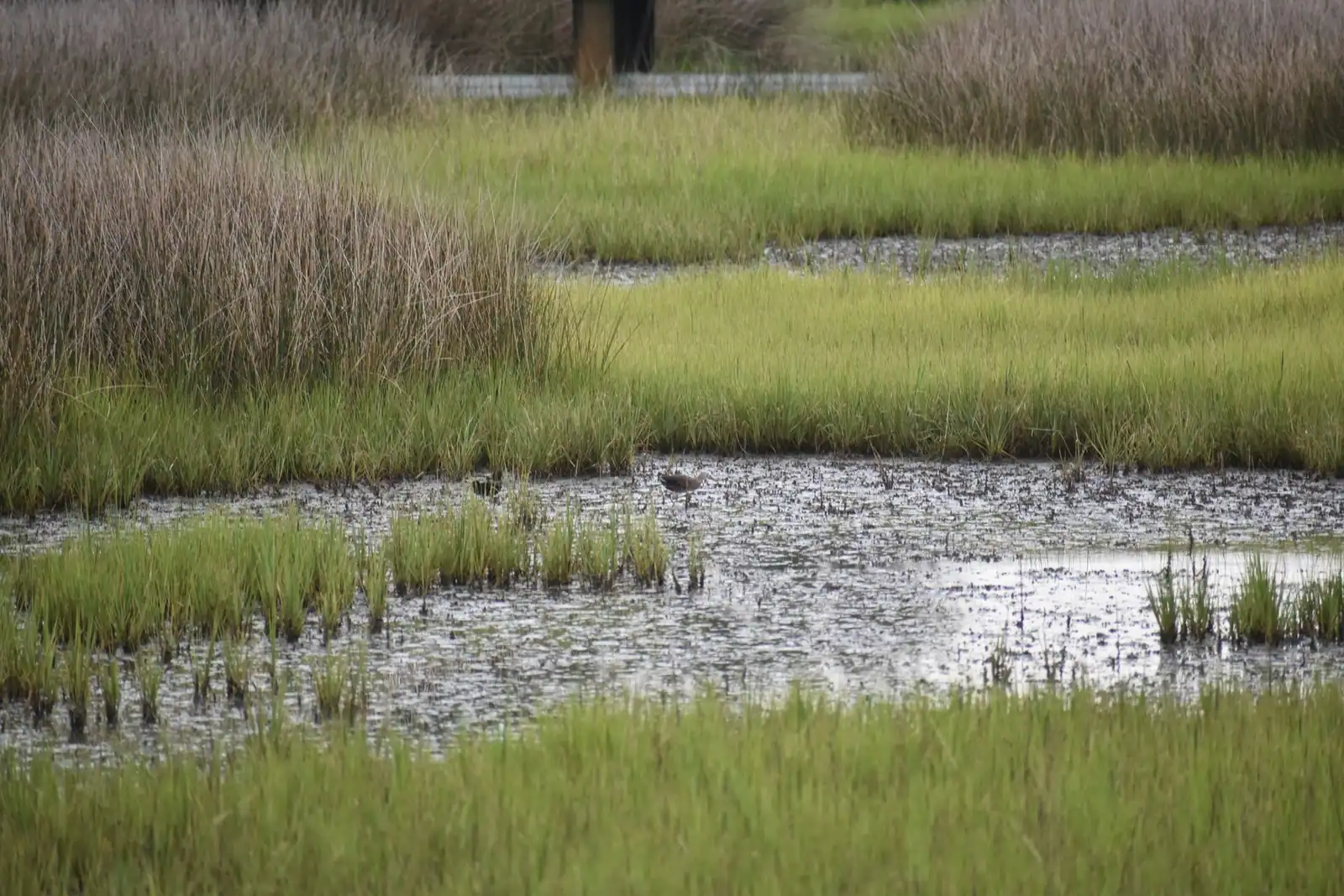
Beach
A shaded playground, grills, picnic shelters and a long marsh boardwalk to the sand. The family default on Hilton Head.
2.5–7 hoursBeach access is free; parking is charged by the hour in season.
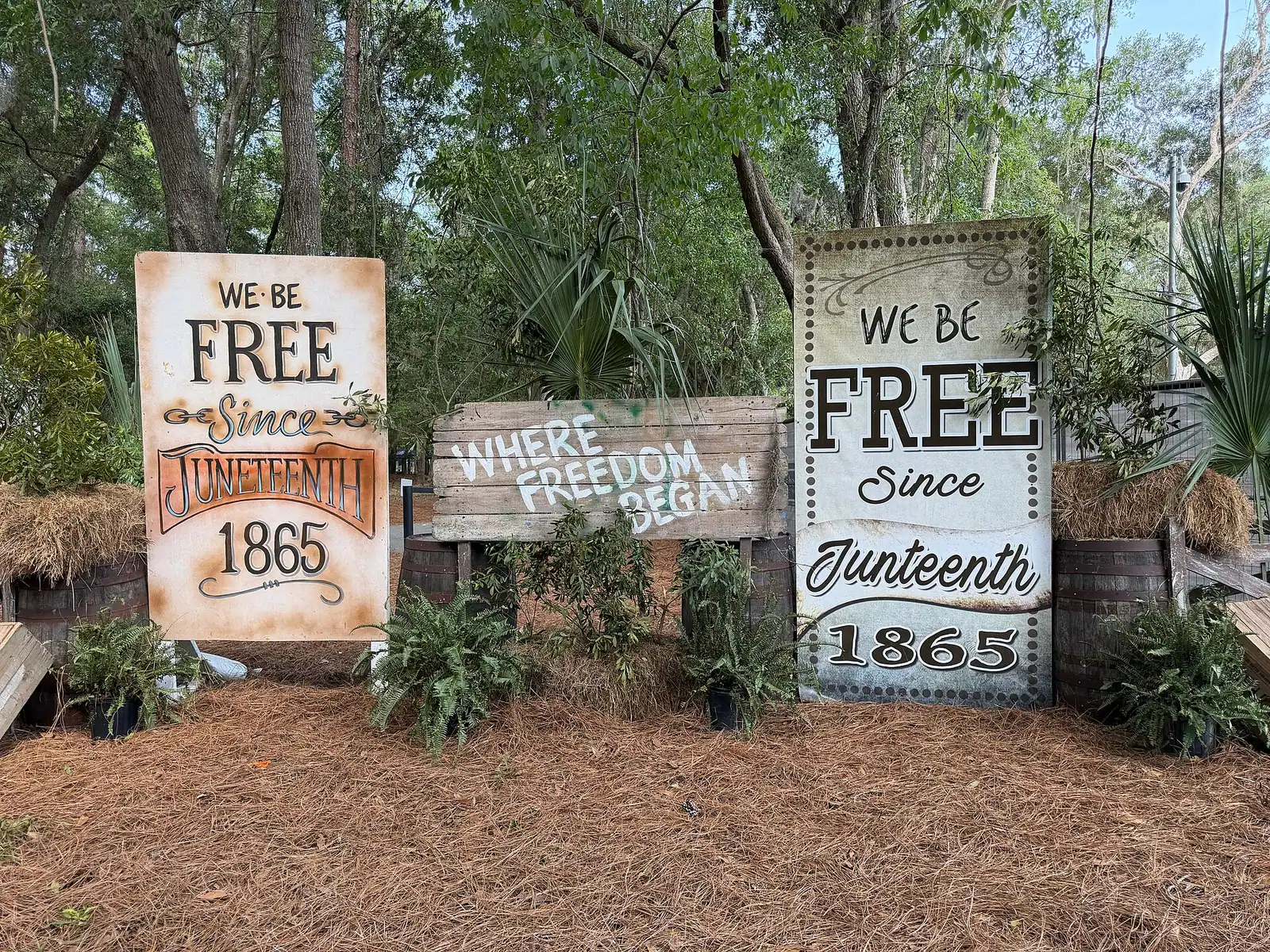
Beach
North-end park on Port Royal Sound: marsh boardwalk, huge low-tide flats, the island's best shorebirds and almost no swimming.
1.5–3.5 hoursBeach and park access are free; the main lot is charged by the hour in season.
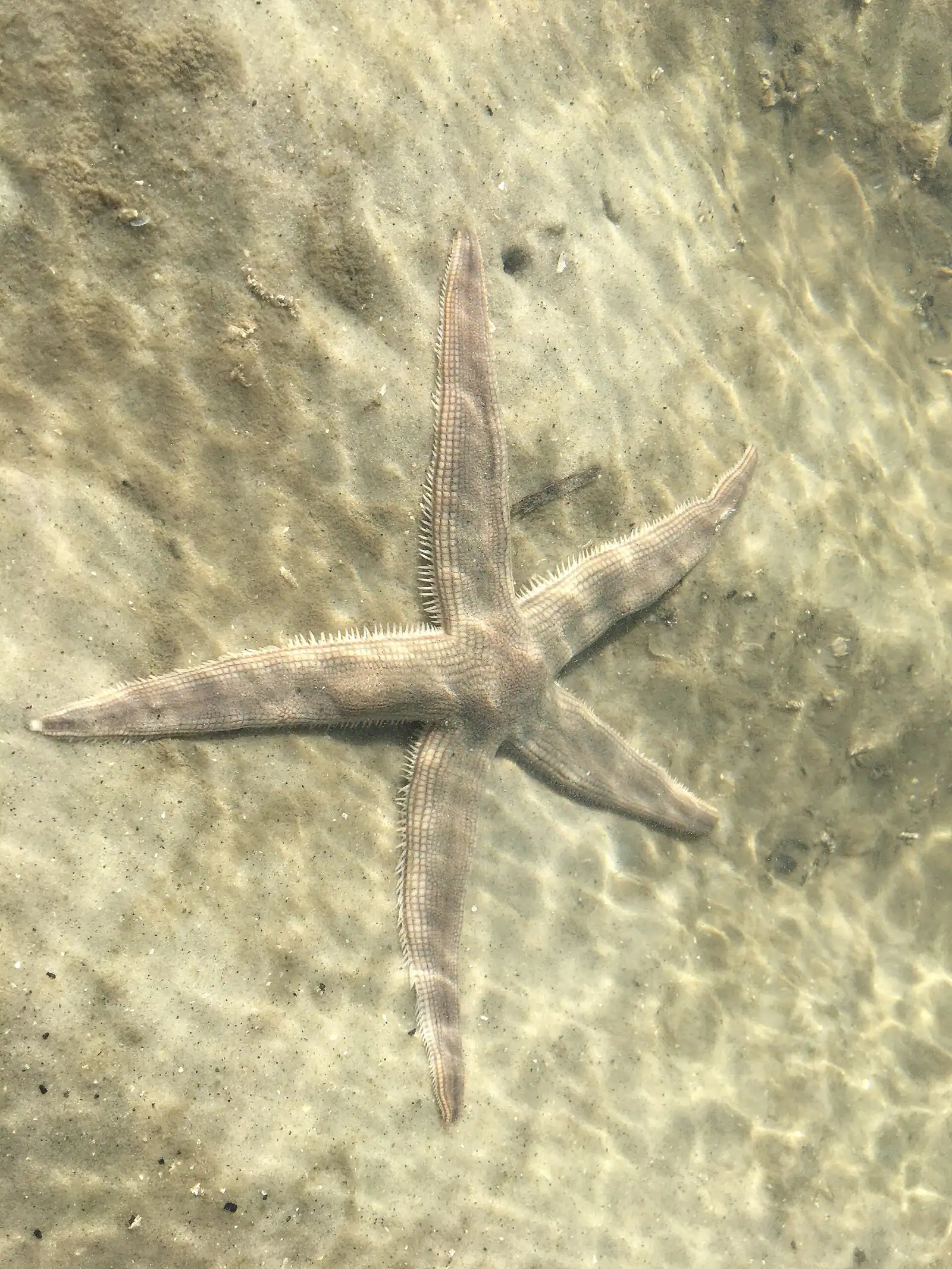
Beach
Twenty-two parking spaces, a four-hundred-foot path and the warm shallow runnels that make it a south-end favourite with small children.
2–5 hoursBeach access is free; the 22-space lot is charged by the hour in season.
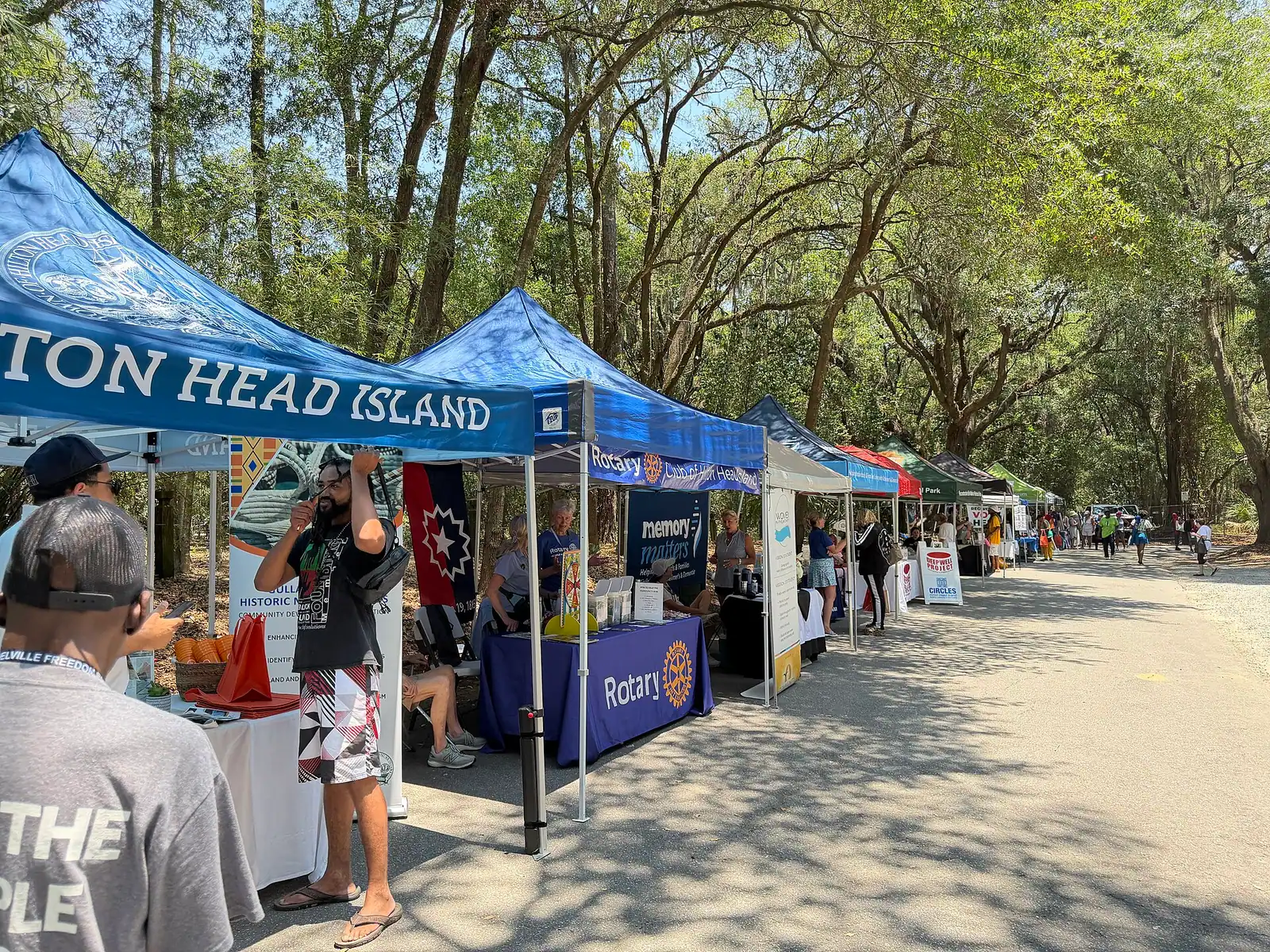
Beach
North-end sand on Port Royal Sound, thick with shells and driftwood, behind the first self-governed town of freed people in America.
1.5–4 hoursFree. Parking is free at Historic Mitchelville Freedom Park and paid seasonally at Fish Haul Beach Park.
Beach
Fifty-odd parking spaces and barely a minute from car to sand. The mid-island access to use when you only have two hours.
1.5–4 hoursBeach access is free; the small lot is charged by the hour in season.
Beach
No lot at the sand, a walk across the marsh from Chaplin Community Park, and the emptiest mid-island beach because of it.
2–5 hoursBeach access is free; parking at Chaplin Community Park is charged by the hour in season.
Beach
The residents' beach, closed until June 2027 while the Town rebuilds the lot, playground and paths. Use Folly Field or Driessen meanwhile.
1.5–4 hoursBeach access is free. Most of the car park is reserved for resident permit holders.
Park
A paved mile around an 11-acre lake, a free fishing dock and no parking meter in sight — the island's most useful ordinary park.
1–2 hoursFree, with free parking

Park
Six tennis courts, the island's only fenced dog park and a sandy path straight through to Burkes Beach, all on one mid-island lot.
1–4 hoursFree to enter; parking is charged by the hour in season
Park
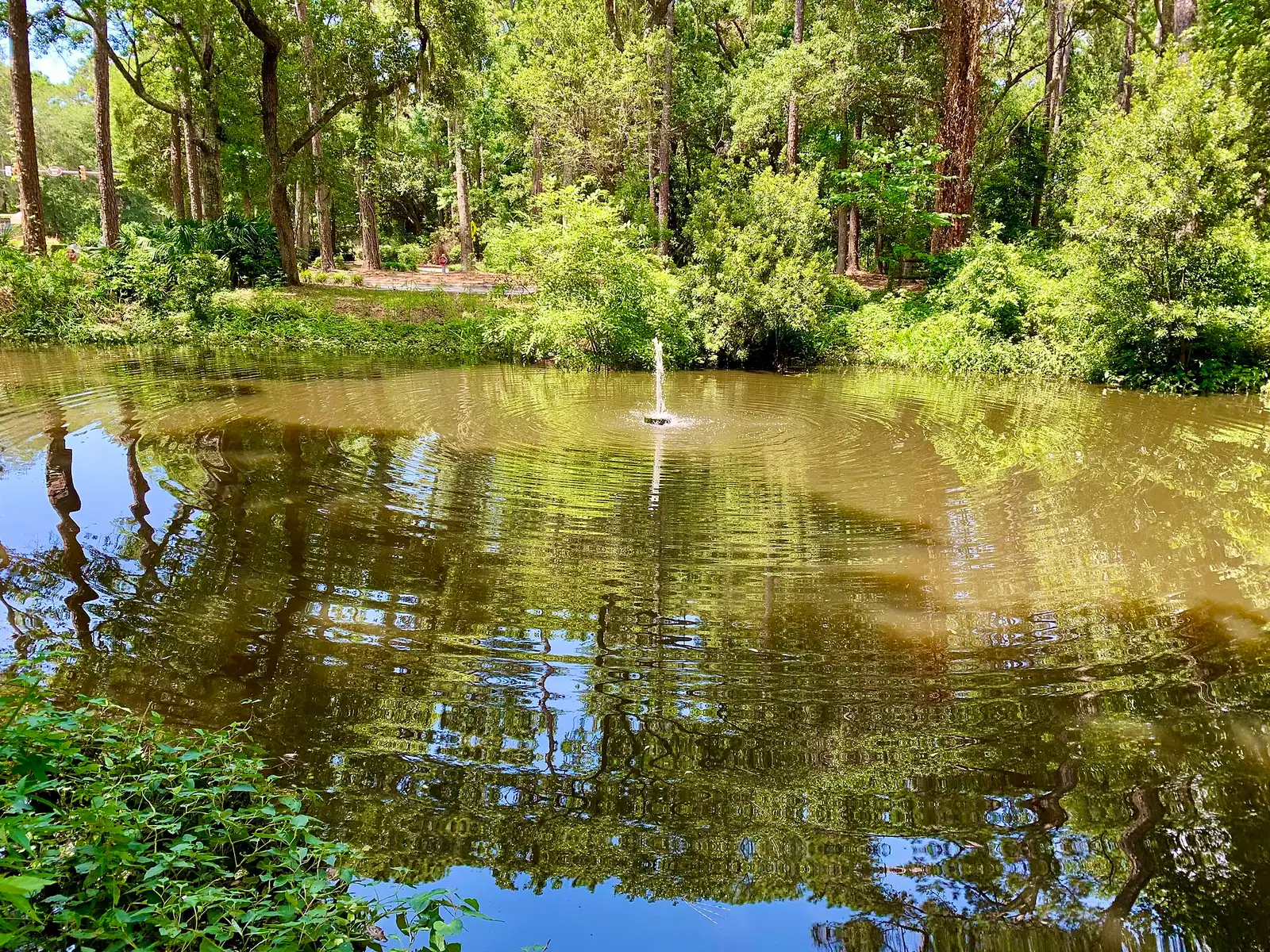
Seventy-four wooded acres off Arrow Road where the island's kids actually play ball — and where the trails are empty on a Tuesday.
1–2 hoursFree, with free parking
Nature preserve
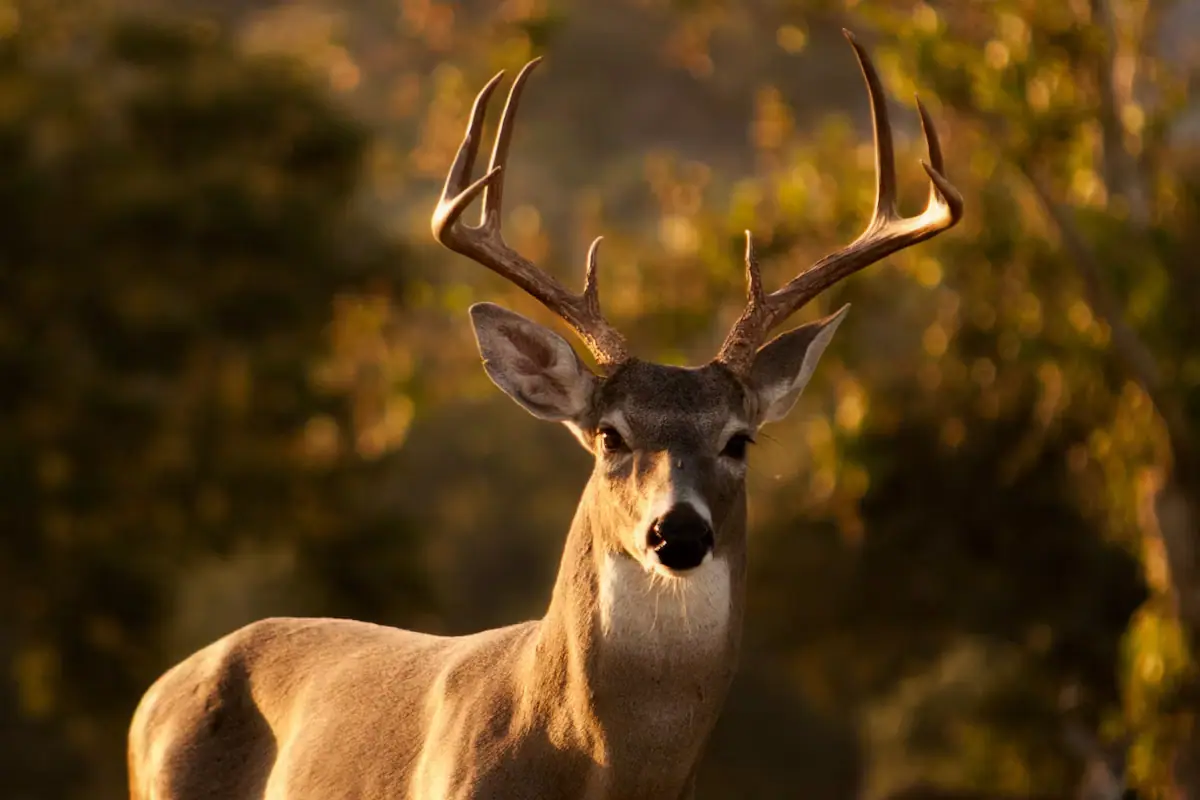
Six hundred and five acres of trails, lagoons and a 4,000-year-old shell ring — free to walk, once you have paid the Sea Pines gate.
1–3 hoursFree to enter — but non-residents pay the Sea Pines daily gate pass to drive in
Nature preserve
Fifty free acres of labelled Lowcountry plants and a mile of easy trail, run by volunteers on a road most people drive straight past.
0.5–1.5 hoursFree — owned and maintained by the Hilton Head Island Audubon Society

Nature preserve
A 1,100-foot boardwalk over black gum swamp — remarkable, and behind a gate that turns most visitors away.
0.5–1.5 hoursNo charge — but access is restricted to Hilton Head Plantation residents and their guests
Wildlife
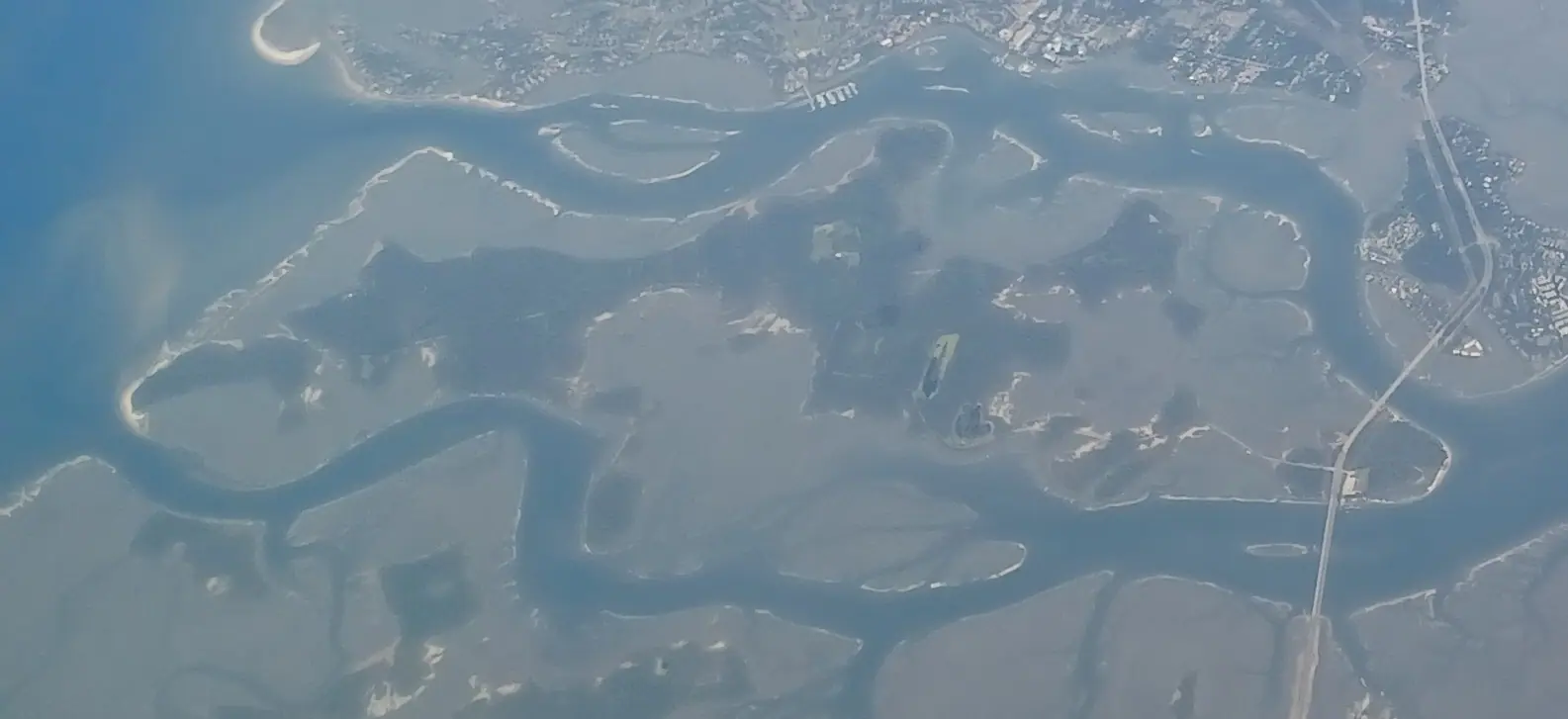
Four thousand free acres on the causeway, wading birds by the hundred at Ibis Pond, and not a restroom or water tap anywhere.
1–4 hoursFree — no entry fee and no parking charge
Water feature
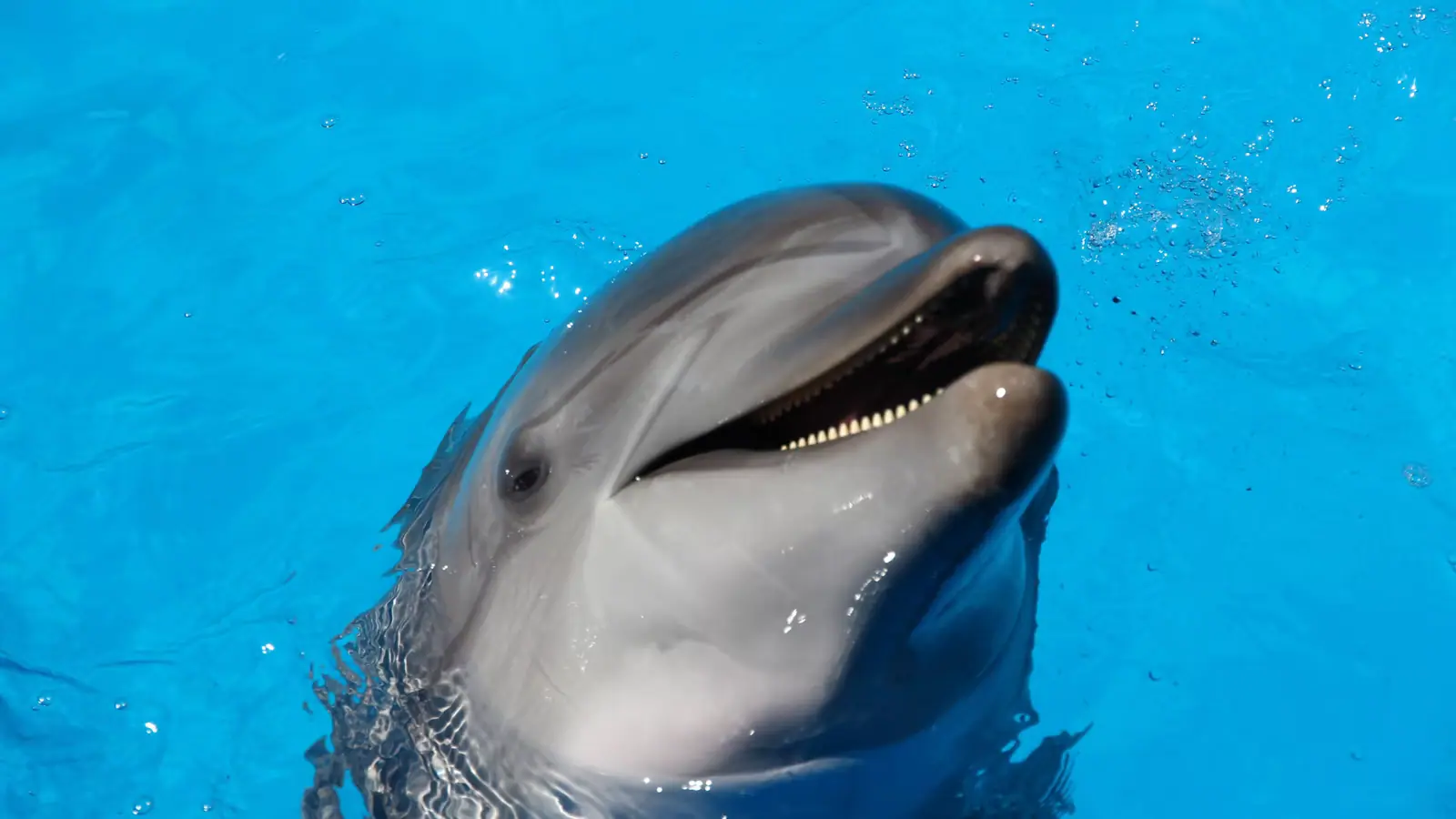
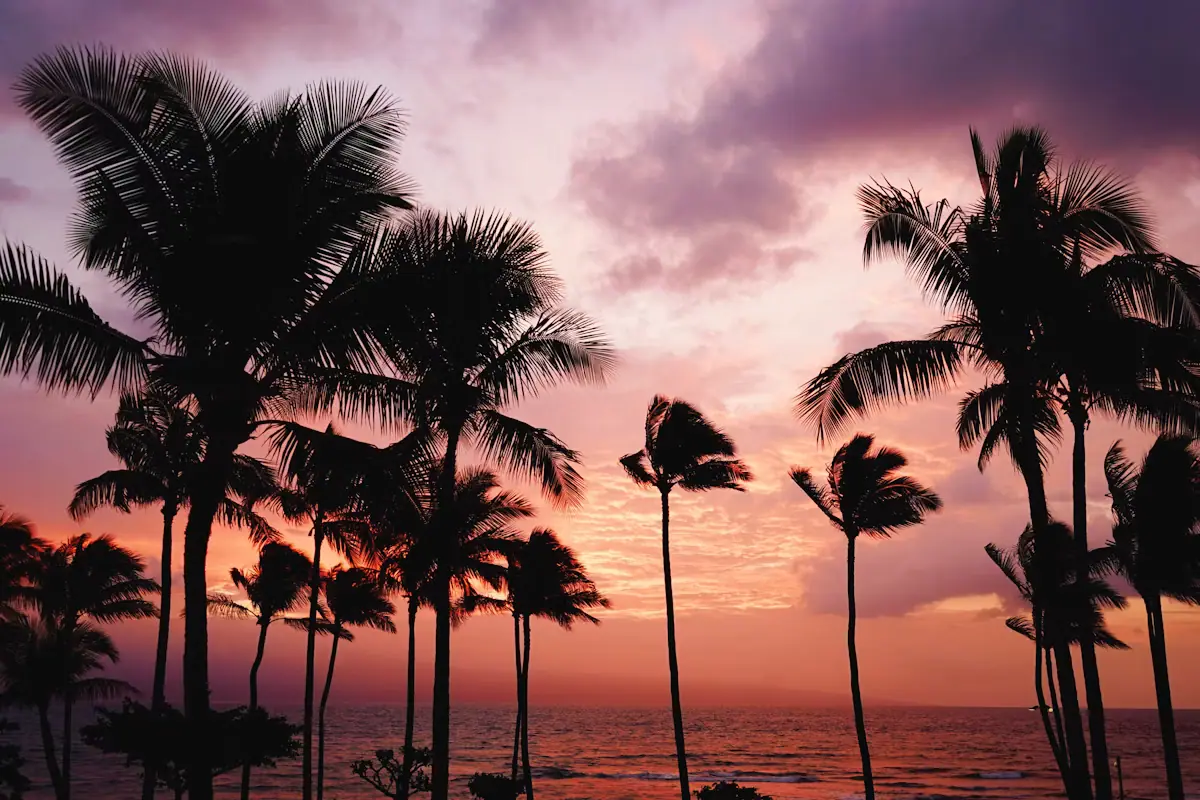
The open water between Hilton Head's south end and Daufuskie: the view from Harbour Town, the ferry route, and the island's best sunsets.
1–3 hoursFree to look at. The public beach below the high-water mark at the island's south end reaches it at no cost.
Water feature
Eleven miles of interconnected flat water that never goes out with the tide — the island's most forgiving place to learn to paddle.
1–3 hoursNo charge to enter for the outfitter; kayak and canoe rental is paid by the hour
Water feature
The tidal creek that nearly cuts Hilton Head in two, and the launch point for most of the island's dolphin, kayak and jet-ski trips.
0.5–3 hoursFree to look at and free to reach from Shelter Cove Community Park, Shelter Cove Harbour and Broad Creek Marina.
Water feature
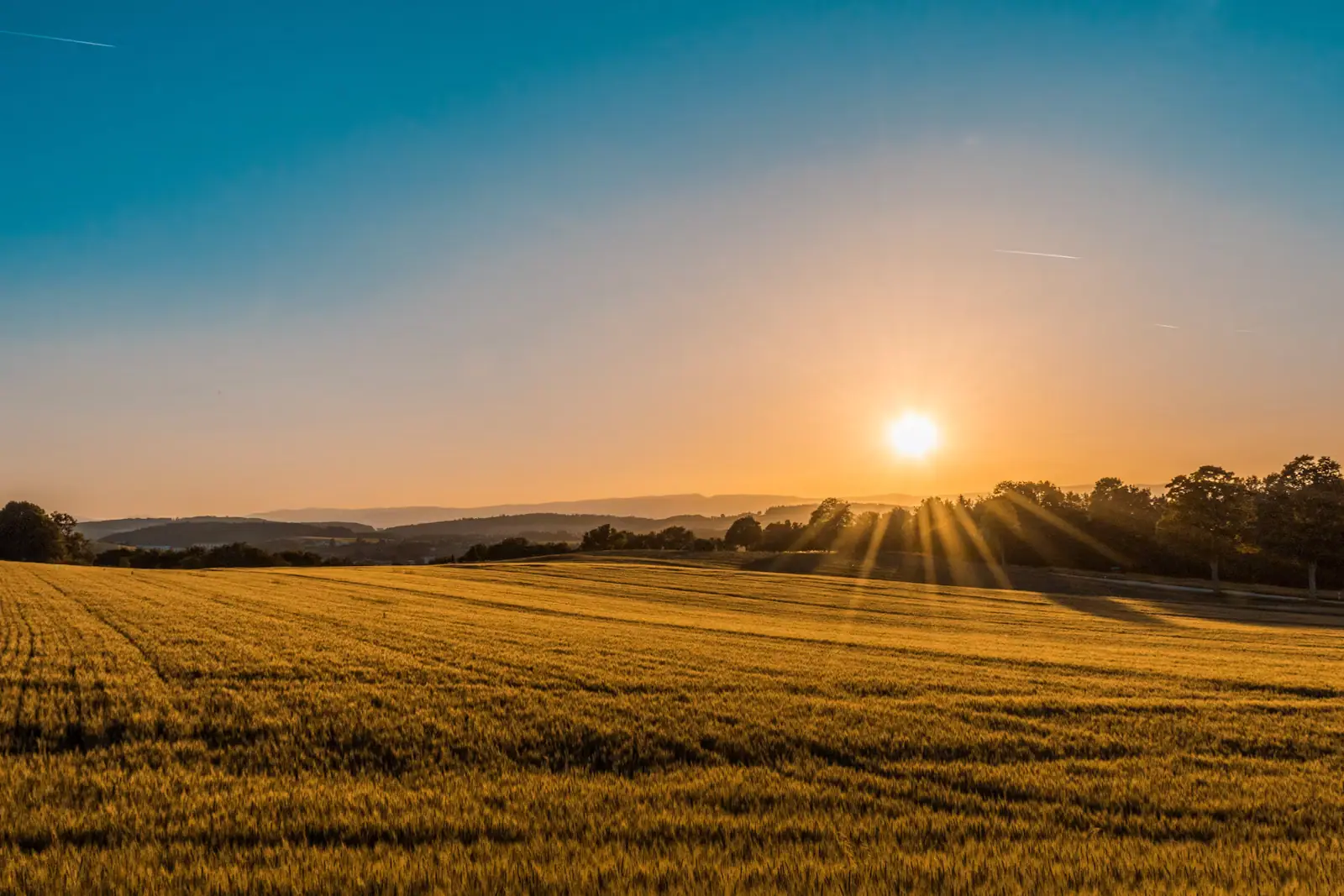
The sheltered Intracoastal side of the island, marsh-lined and facing west, with the calmest paddling and the easiest free sunset.
1–2.5 hoursFree. Squire Pope Community Park has free parking, a public pier and restrooms.
Water feature
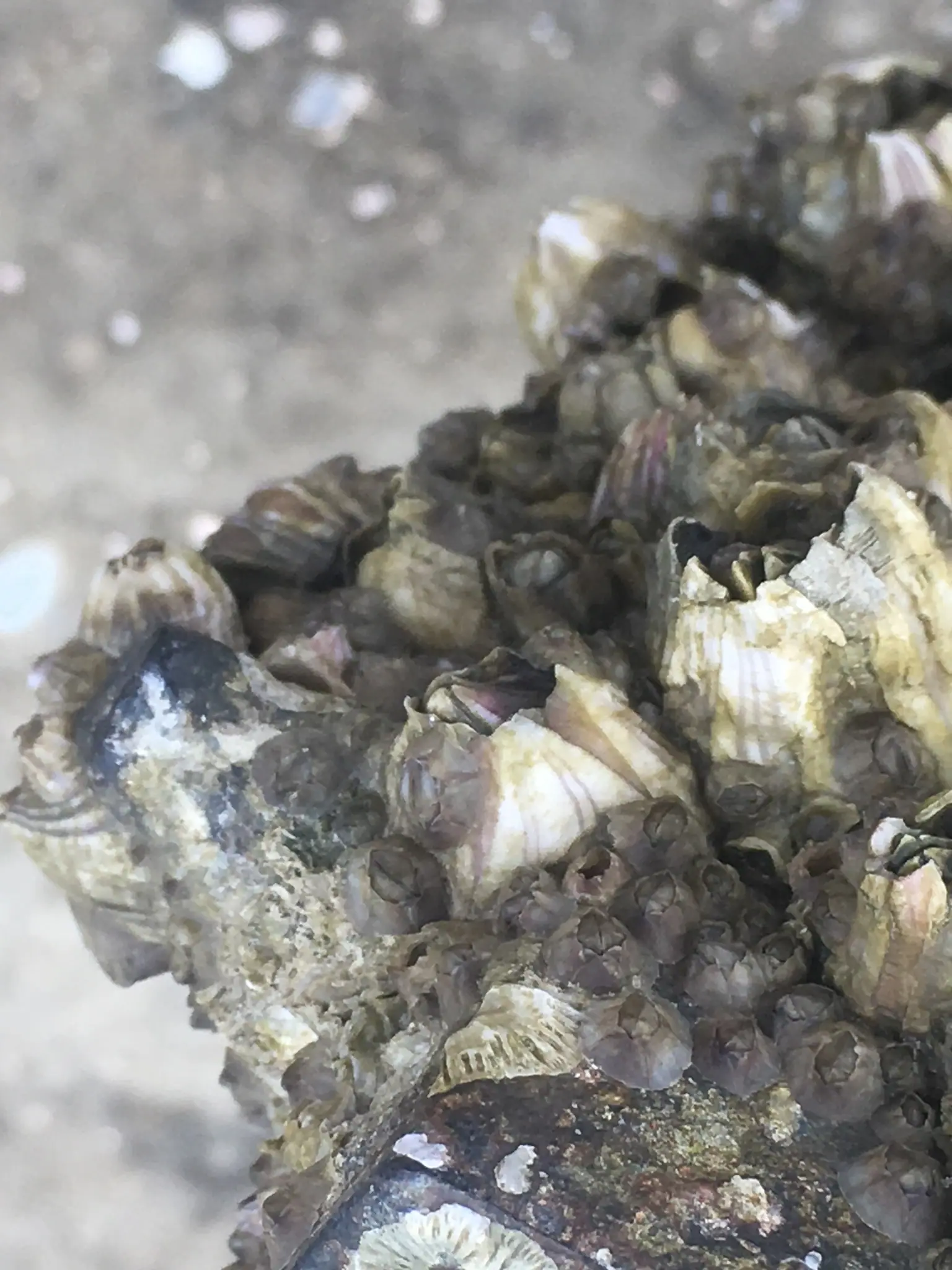
One of the deepest natural sounds on the East Coast, off the island's north end, where strand feeding and big inshore fish are real.
1–4 hoursFree to look at from the island's north-end parks and beaches. No charge for the water itself.
Marina
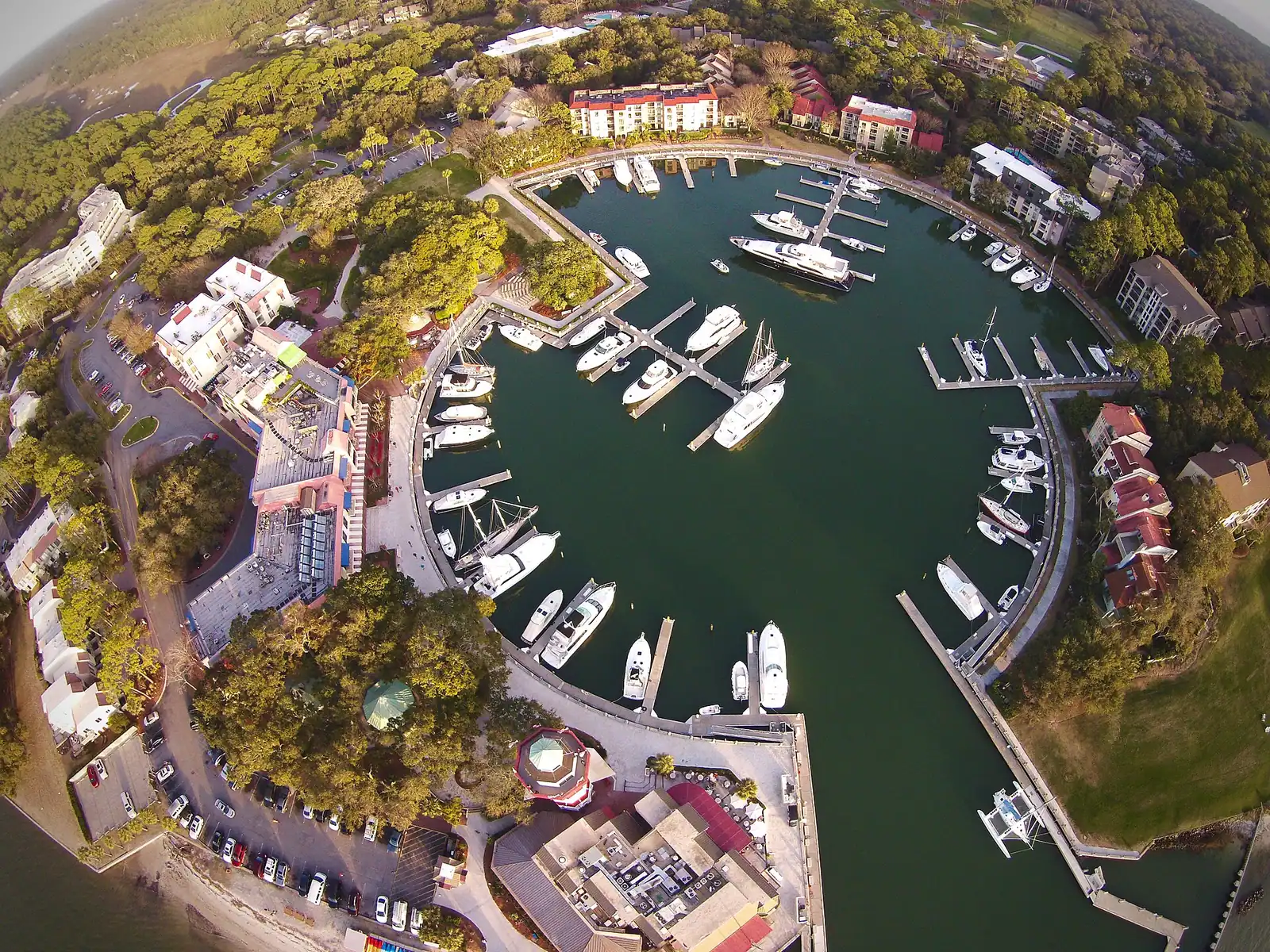
A yacht basin on Calibogue Sound, a three-centuries-old live oak, and the island's most photographed stretch of low wooden shopfronts.
1–3 hoursNo charge to walk the harbour, but Sea Pines charges a daily gate pass per vehicle to enter the community.
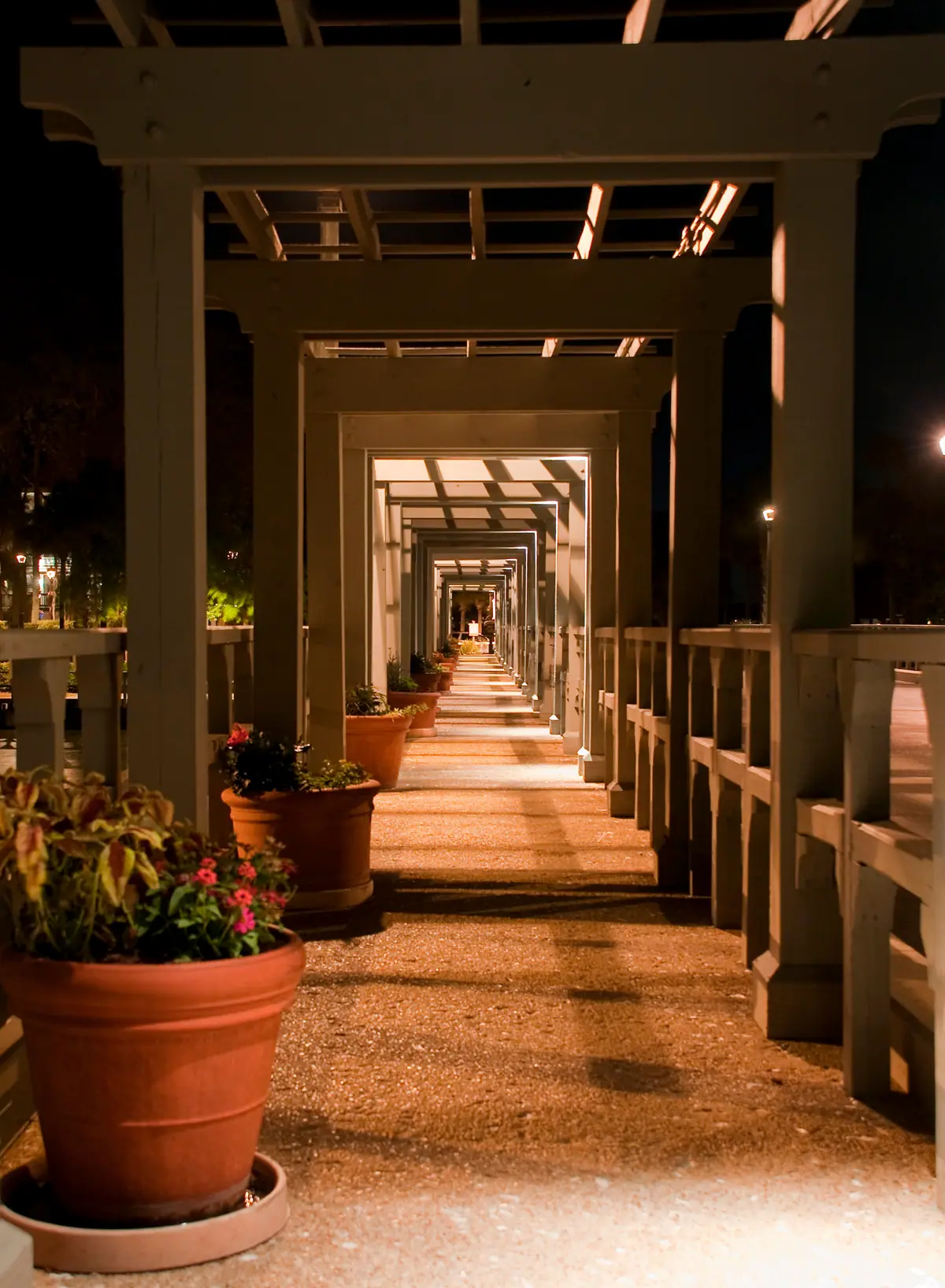
Marina
Mid-island marina on Broad Creek with summer fireworks every Tuesday, a giant Neptune on the quay, and no gate pass to pay.
1–4 hoursFree to visit and free to park. No gate pass. Boat trips and activities are charged.
Historic site
In 1862, formerly enslaved people founded a town here and governed it themselves. Free to enter, and the most important hour on the island.
1–2 hoursFree. Donations support preservation, interpretation and the ongoing archaeology.
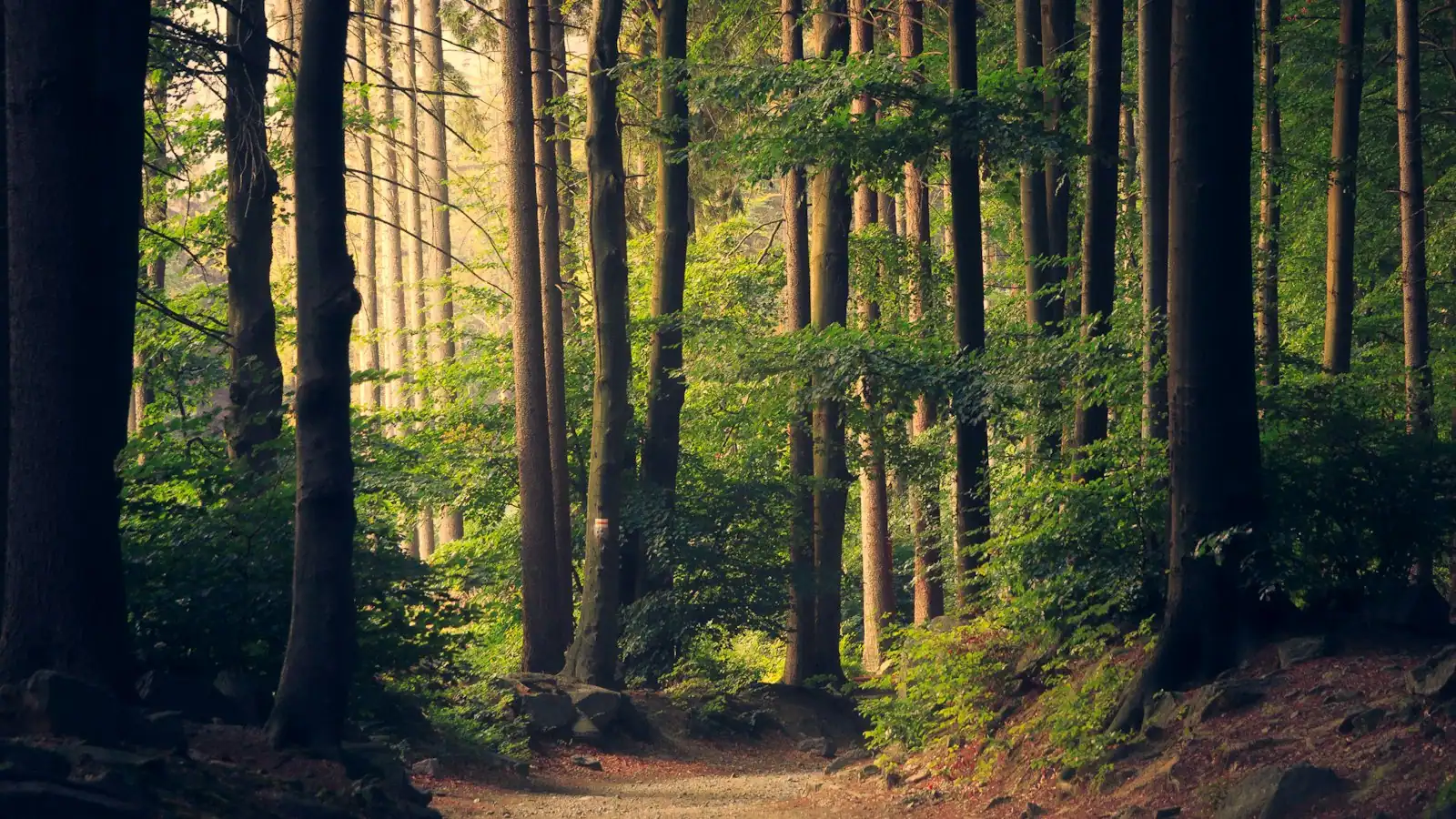
Historic site
A five-sided earth fort raised in 1864 by Black Union soldiers to protect the freedmen's town up the road. Free, and usually empty.
20–40 minutesFree. No ticket, no staff, no gate.
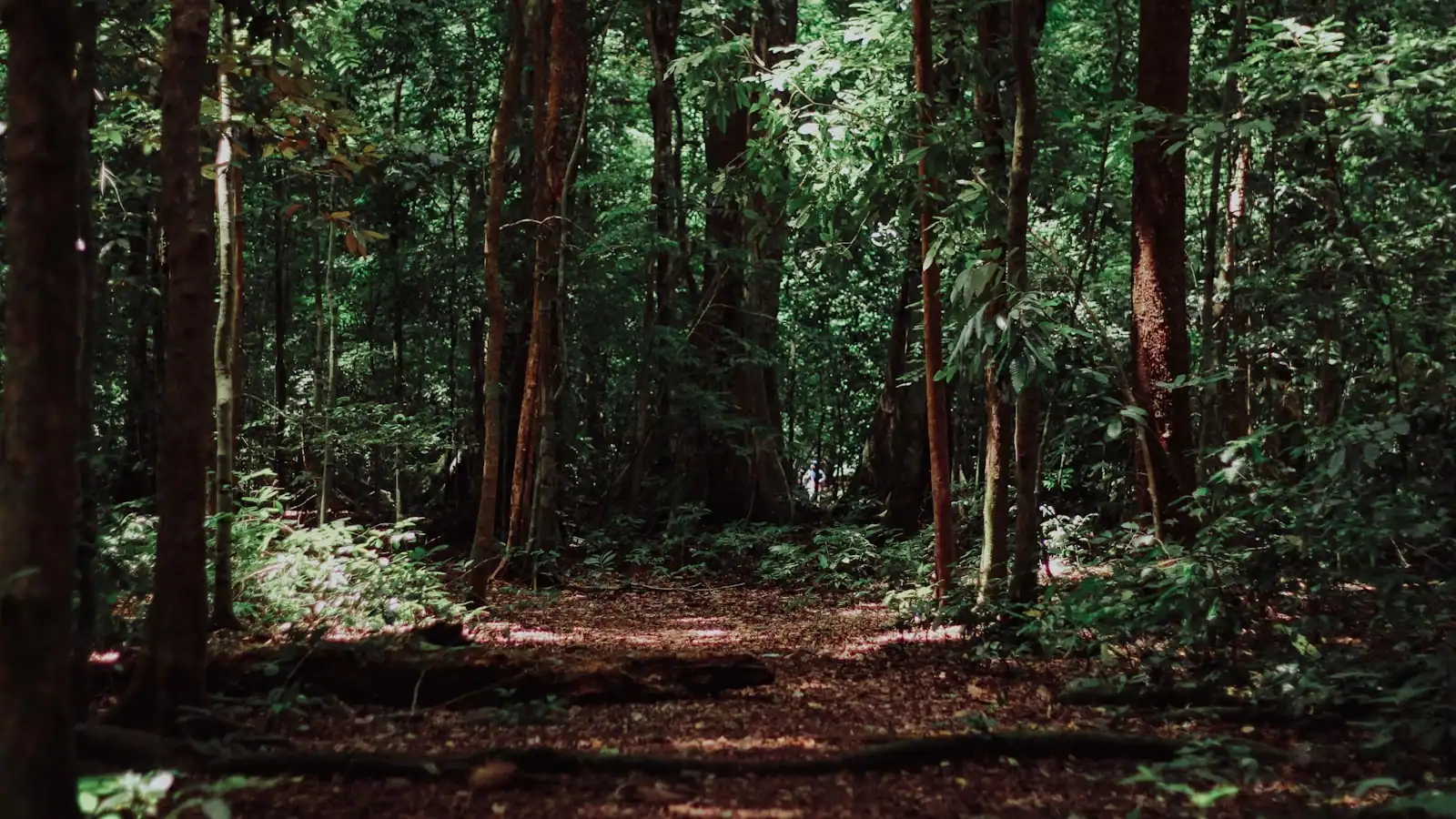
Historic site
Oyster-shell concrete walls of a cotton planter's house, with the foundations of the quarters that made it possible a few steps away.
20–45 minutesFree at the site. You still pay the Sea Pines gate pass, charged per vehicle, to enter the community.
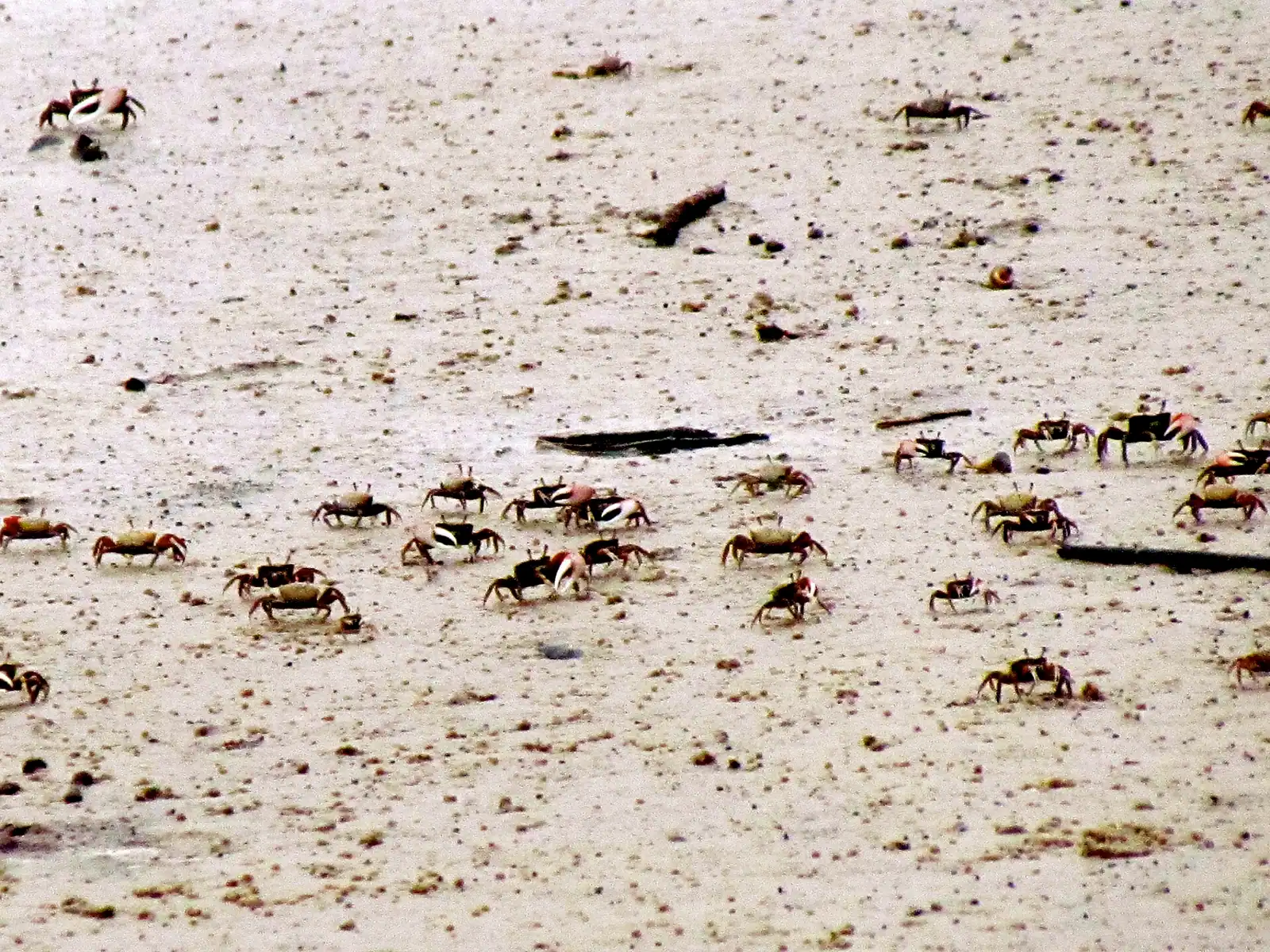
Historic site
An 1862 gun battery on a bluff over Skull Creek, inside a gated community — you need a pass at the gate to see it.
25–45 minutesNo charge at the site itself; the obstacle is gate access, not a ticket.
Historic site
A shell embankment thrown up around a fortified village six centuries ago, three acres off Squire Pope Road. Nearly always empty.
20–45 minutesFree. A state heritage preserve with no ticketing and no staff on site.
Museum
Sixty-eight acres of marsh boardwalk, live oak allee and camellia garden, free to walk, with the island's best interpretation indoors.
1–2.5 hoursFree entry to the museum and the 68-acre grounds. Donations encouraged.
Museum
A Native Islander family's museum off Gumtree Road, visited by appointment rather than by turning up. Book well ahead.
1–1.5 hoursCharged per person, by appointment. Recently listed at around $25 per adult.

Museum
A small hands-on museum a few streets from Coligny, aimed squarely at the under-eights, and the island's default wet-afternoon plan.
1–2 hoursCharged per person for almost every visitor, around $15 a head at last check, with infants under about a year free.
Landmark
114 steps up a red-and-white tower nobody asked the Coast Guard for, with an island history museum stacked on the landings.
0.5–1 hoursA small per-person admission to climb, on top of the Sea Pines gate pass charged per vehicle at the community entrance.
Shopping
Sixty-odd shops and restaurants in a low, open-air block across the road from the island's busiest beach — and the parking is free.
1–3 hoursFree to visit, free to park. You pay only for what you buy.
Shopping
The island's practical shopping stop on Broad Creek: a supermarket, real shops, free parking and a waterside park, with no gate to pass.
1–3 hoursFree to visit, free to park, no gate pass. You pay only for what you buy.
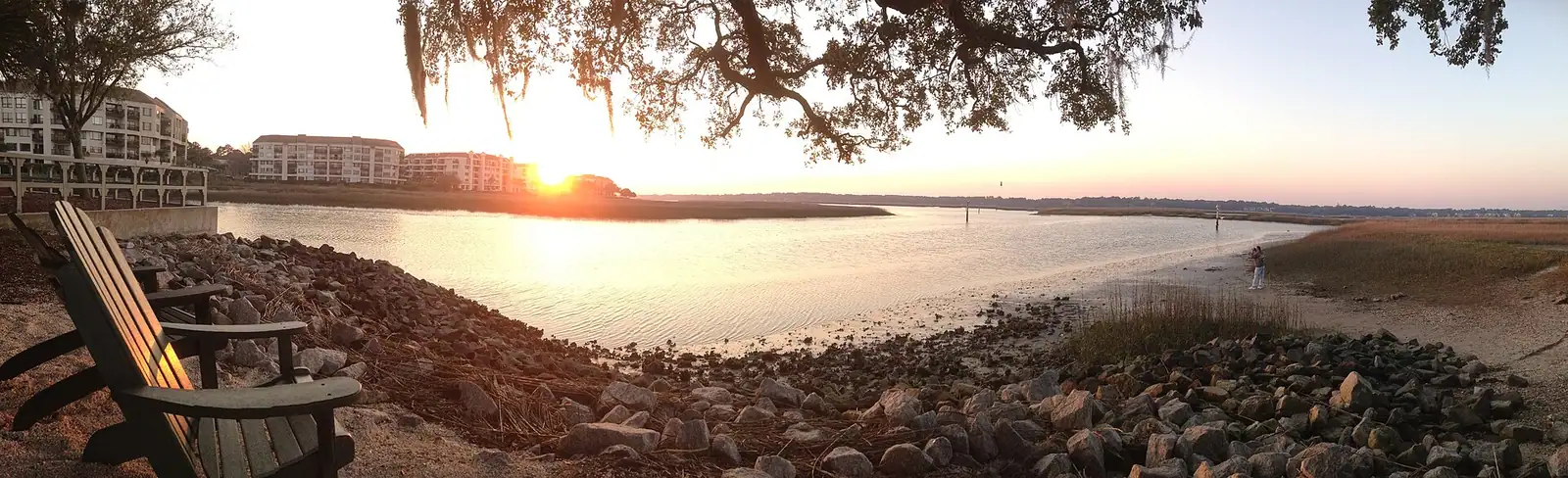
Entertainment
A 349-seat professional theatre at Shelter Cove with five mainstage shows a season, and a free gallery of local work in the lobby.
1–3 hoursTheatre tickets are charged by production and seat. The gallery is free to enter.
Entertainment
Guided trail rides through 605 acres of forest preserve, plus an animal farm that costs nothing to wander round.
0.5–2 hoursTrail rides around $80 per person; pony rides a small per-ride charge; the animal farm is free.
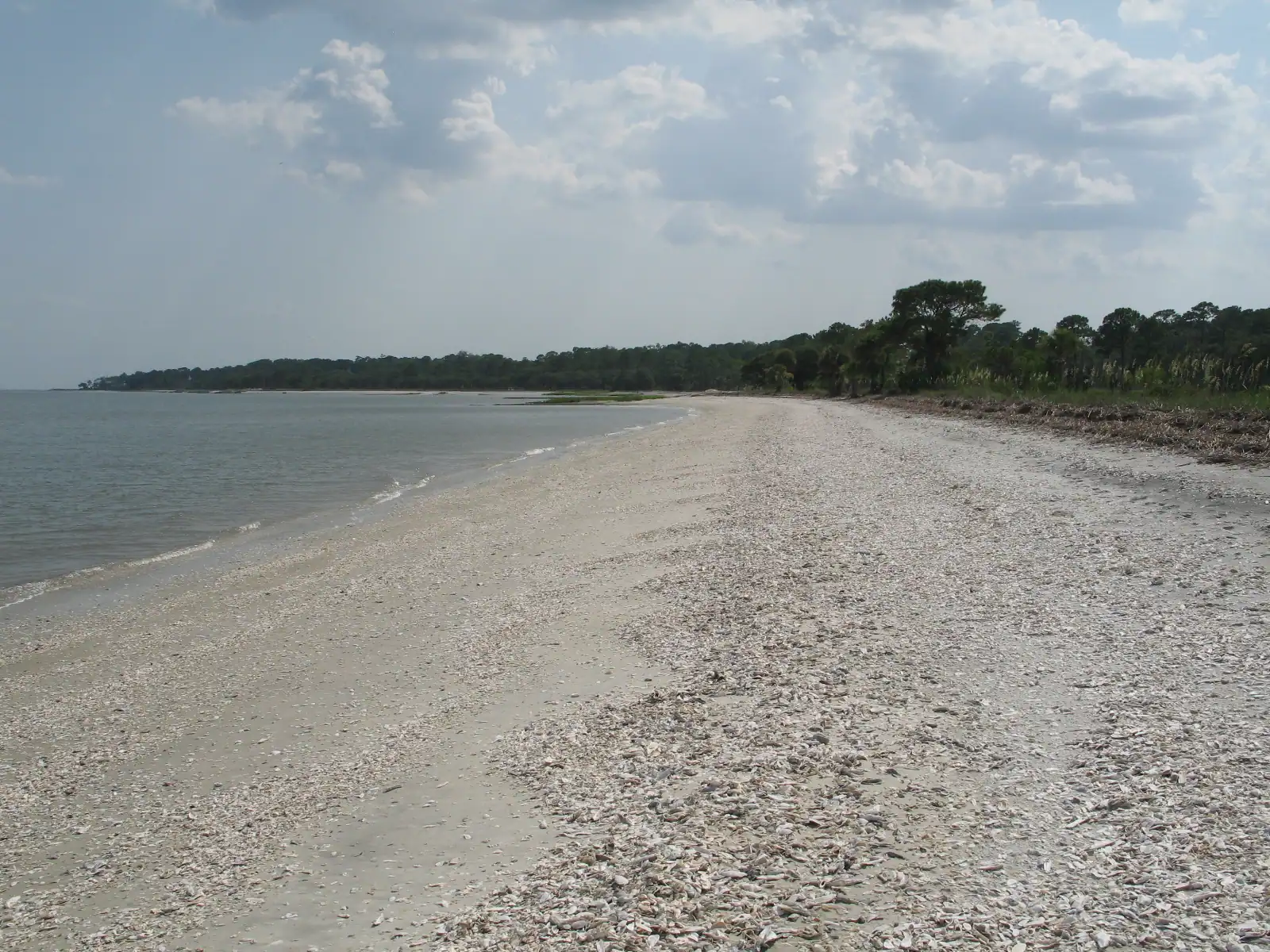
Neighbourhood
No bridge, no traffic lights, golf carts on sand roads, and a Gullah history that Pat Conroy made famous. Ferry only.
6–9 hoursRound-trip ferry fare per person, plus golf cart hire. The island itself is free.

Neighbourhood
Twenty minutes off the island: art galleries on a one-street town, an 1857 church on a bluff, and oysters shucked by hand.
2.5–5 hoursFree to visit and free to park. You pay only for food, art and anything you buy.
Neighbourhood
Five thousand acres behind a gate: the pass costs one thing and nearly everything good inside costs another. How it works.
3–8 hoursDaily gate pass charged per two-axle vehicle; activities inside cost extra.
Every pin is also a link in the index beside it, so the list works before the map loads.
Every place shown on this map is also listed below as a link, grouped by area.
© OpenStreetMap contributors
Nothing on this island announces itself. These are the trips that put the places above into an order that makes sense — and the operators who can get you inside the gates.
These bookings run through Viator, who pay us a commission. Your price does not change, and neither does the order they appear in.
Why we chose it
A narrated island tour earns its place on the first full day, because Hilton Head hides everything behind trees and small signs. Two hours with a guide who can point out where Mitchelville stood and why Broad Creek matters saves a week of wrong turns and makes every later stop legible.
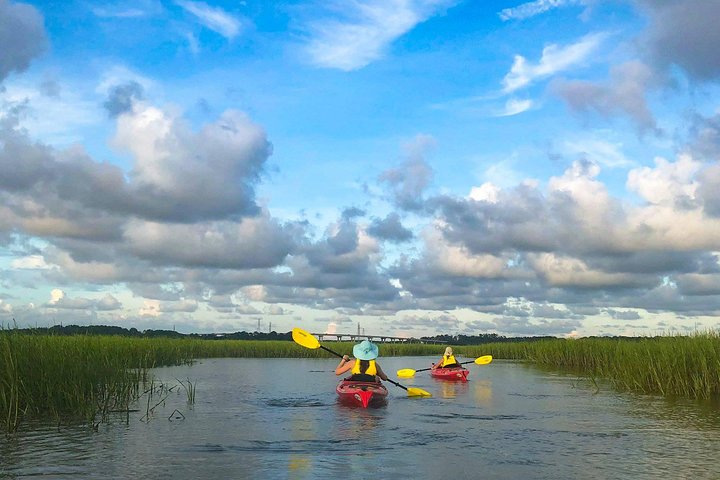
Excellent Quality
2-Hour Hilton Head Guided Kayak Nature Tour (opens in a new tab)
Paddle through Hilton Head Island’s breathtaking salt marshes on an exciting 2-hour guided kayak tour! Led by expert naturalist guides…
2 hours
Prices checked
Why we chose it
Tours that collect you and handle the driving remove the two things that wear families down here: finding unmarked turnings and paying for parking at each stop. A half-day format keeps small children inside their patience window and lands back before the afternoon storm cells build in summer.

Low Supplier Cancellation Rate
Daufuskie Island Guided History Tour from Hilton Head (opens in a new tab)
Tucked between Hilton Head Island and Savannah, and accessible only by boat, Daufuskie Island is a real gem. This 4.5 hour Daufuskie…
4–5 hours
Prices checked
Why we chose it
Small-group nature and birding trips reach Pinckney Island, the Forest Preserve lagoons and the back creeks with someone who can name what you are looking at. Twelve people rather than forty changes the wildlife entirely, which matters when the point is a rookery rather than a photo stop.

Involves Animals
2 Hour Kayak Hilton Head Dolphin and Nature Tour (opens in a new tab)
Our nature activities are a great way to experience Hilton Head Island by water. We get up close and personal with the salt marsh…
2 hours
Prices checked
Why we chose it
Guided rides and tours that begin inside Sea Pines fold the community's access into the ticket, which is worth knowing if a car pass plus parking plus the lighthouse climb is already stacking up. You also get the 17-mile internal trail network, which is the right way to see Harbour Town anyway.

Low Supplier Cancellation Rate
Hilton Head Sunset Dolphin Watching Cruise (opens in a new tab)
Set sail from the iconic Harbour Town Yacht Basin, right beneath Hilton Head’s famous lighthouse, for an unforgettable evening on the…
1–2 hours
Prices checked
Why we chose it
Not every visitor can walk a sand track or a marsh boardwalk. Vehicle-based and boat-based tours with level boarding give the same island — the marsh, the lighthouse, the creeks — without the unpaved trails. Ask operators about floating-dock gangways, which get steep at low tide.

Low Supplier Cancellation Rate
Parasailing Adventure at the Hilton Head Island (opens in a new tab)
Enjoy the beautiful views of Daufuskie Island, Calibogue Sound, Harbour Town Lighthouse, Harbour Town Yacht Basin, South Beach Marina, and…
1–2 hours
Prices checked

Weather Dependent - High
Only on Hilton Head and only in Harbour Town can you sail aboard the real America's Cup, 12 meter, Stars & Stripes once skippered by the…
1–2 hours
Prices checked

Weather Dependent - Moderate
Come aboard the Spirit of Harbour Town for a 3 course dinner cruise prepared by the chefs of Sea Pines Resort *SHARE YOUR MEAL PREFERENCES…
2 hours
Prices checked
The directory lists places. These pages plan days.
Guide hub
Hilton Head does not look like a beach town, and that is the first thing to plan around. The island's building and sign ordinances hold rooflines…
Guide hub
Almost everything worth booking on Hilton Head happens on the water, and almost every mistake visitors make comes down to one thing: choosing the…
Plan your trip
Yes, you almost certainly need a car on Hilton Head Island — and once you have one, the island rewards leaving it parked for most of the week. That…
Guide hub
Twelve miles of Atlantic shoreline, all of it public. That is the first thing to understand about Hilton Head's beaches and the thing that surprises…
Who it suits
Hilton Head Island was planned around families, which is a different thing from being built for children. There are no waterslide towers on the…
Budget
Hilton Head is an expensive place to stay and a surprisingly cheap place to spend a day, provided you understand one distinction that most lists…
Harbour Town and its striped lighthouse inside Sea Pines, the 605-acre Sea Pines Forest Preserve, Coligny Beach Park, the Coastal Discovery Museum at Honey Horn, Historic Mitchelville Freedom Park, Pinckney Island National Wildlife Refuge on the causeway, and Shelter Cove Harbour for the boats and the summer fireworks. Between them they cover the island's beaches, marsh, heritage and working waterfront, and all but the gate pass and the lighthouse climb are free.
To drive in, yes. Non-guests buy a daily vehicle pass at the Greenwood or Ocean Gate, around $10 at the time of writing, valid for that whole day and covering Harbour Town, the Forest Preserve, the Stoney-Baynard Ruins and Lawton Stables. It is charged per car, not per person. Cyclists and pedestrians are generally waved through without paying. Guests staying inside, and people with a restaurant or tee-time reservation, are handled differently at the gate.
For the view over Calibogue Sound toward Daufuskie, yes, and it is 114 steps with exhibits on the landings rather than a bare spiral. Know what you are climbing, though: it was built in 1970 as a landmark for the new Sea Pines resort, not as a working navigational light. There is a separate per-person charge on top of the Sea Pines gate pass. Go late in the afternoon when the sound turns gold.
It is a boot-shaped barrier island about twelve miles long, with one main road — William Hilton Parkway, US-278 — running the full length and the Cross Island Parkway cutting across to the south end. The north end holds the history sites and the refuge, the middle holds the marinas on Broad Creek and most of the beach parks, and the south end is Coligny plus Sea Pines behind its gates. Plan one band per day rather than crossing the island twice.
Pinckney Island National Wildlife Refuge, Historic Mitchelville Freedom Park, the Audubon Newhall Preserve, Green's Shell Enclosure, Jarvis Creek Park and the grounds and marsh trails at the Coastal Discovery Museum, where donations are encouraged rather than required. Every beach on the island is free to walk onto, and parking at Coligny Beach Park is free year-round. The town's seventy-plus miles of public pathway cost nothing either.
It marks the site of Mitchelville, founded on the island's north end in 1862 and the first self-governed town of formerly enslaved people in the United States. It had elected officials, its own ordinances and compulsory schooling for children. The park is interpretive ground rather than surviving buildings, and it is free. Treat it as a morning rather than a stop — it is the most historically significant place on Hilton Head Island.
Yes, in essentially every freshwater lagoon on the island, including the ornamental ponds inside gated communities and on golf courses. The Sea Pines Forest Preserve lagoons are the place visitors see them most reliably. They are not usually a problem and become one when people feed them, which is a crime in South Carolina. Keep at least fifty feet back, never let a dog drink or swim at a lagoon edge, and do not walk the banks at dusk.
The north end is the island's quietest and most historically dense band. Historic Mitchelville Freedom Park, Fish Haul Creek Park for shelling and shorebirds on the low-tide flats, the Coastal Discovery Museum's 68 acres at Honey Horn, Green's Shell Enclosure Heritage Preserve, and the Skull Creek marinas for boat departures. Pinckney Island National Wildlife Refuge sits just off the island on the causeway. Most visitors staying at the south end never come up here.
An hour covers the main loop and the lagoon boardwalks; two to three hours lets you reach the Fish Island shell ring and walk the quieter trails. The 605-acre preserve is unpaved and can be soft after rain, so wear something you do not mind muddying. Access is included with the Sea Pines gate pass, so pair it with Harbour Town and the Stoney-Baynard Ruins on the same day rather than paying twice.
For anyone who likes birds, it is the best free hour on the trip. The refuge covers about 4,000 acres on the US-278 causeway, and Ibis Pond, roughly fifteen minutes in on a flat crushed-shell track, holds a serious wading-bird rookery in spring. There is a gravel lot and essentially nothing else — no water, no shop, minimal facilities. Go at first light, take repellent, and allow two hours if you want to reach the further loops.
Most of them, if you rent bikes. The island has more than seventy miles of public pathway plus a separate 17-mile network inside Sea Pines, and it is rated a Gold-level Bicycle Friendly Community. Cyclists also avoid the Sea Pines vehicle gate pass. The seasonal fare-free Breeze Trolley covers the south and mid-island loops from around April to Labor Day. For Pinckney Island, Mitchelville or a Savannah day, you will want a car.
If your week only allows three, make them one north-end morning at Mitchelville and Fish Haul Creek Park, one Sea Pines day covering Harbour Town, the Forest Preserve and the Stoney-Baynard Ruins on a single gate pass, and one early walk at Pinckney Island. Add a morning on the water and you have seen the actual island rather than the version on the postcards.